Featured Artist: Todd Simpson
It's funny how just one moment in time can permanently alter the course of one's life; for contemporary airbrush painter Todd Simpson that moment was viewing one of legendary artist Chuck Close's iconic large scale photorealist airbrush portraits, forever changing his trajectory as an artist. Though airbrushing has not traditionally been considered a fine art medium, thanks to this pivotal moment Todd's exquisite airbrush artworks are firmly putting this outdated notion to rest.
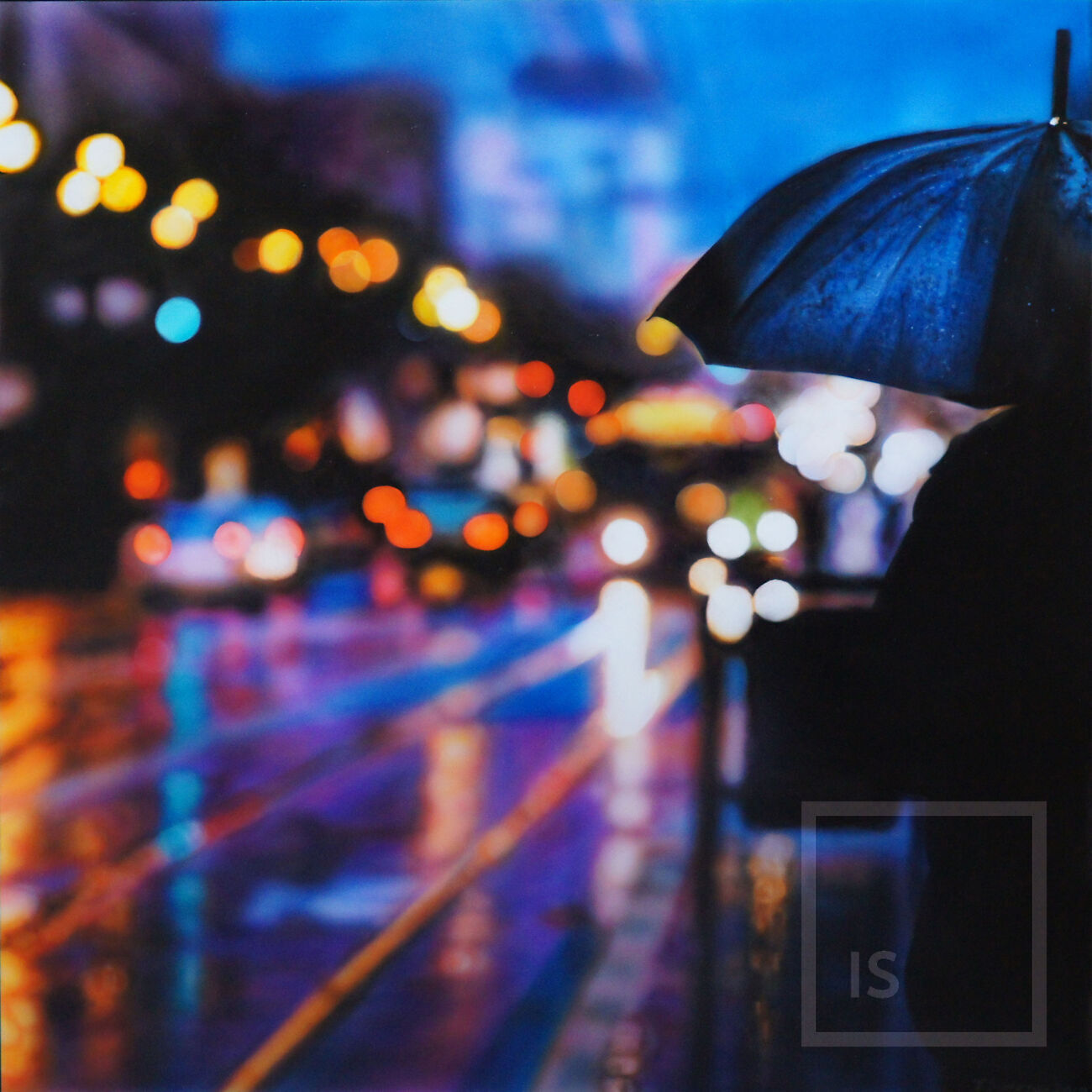
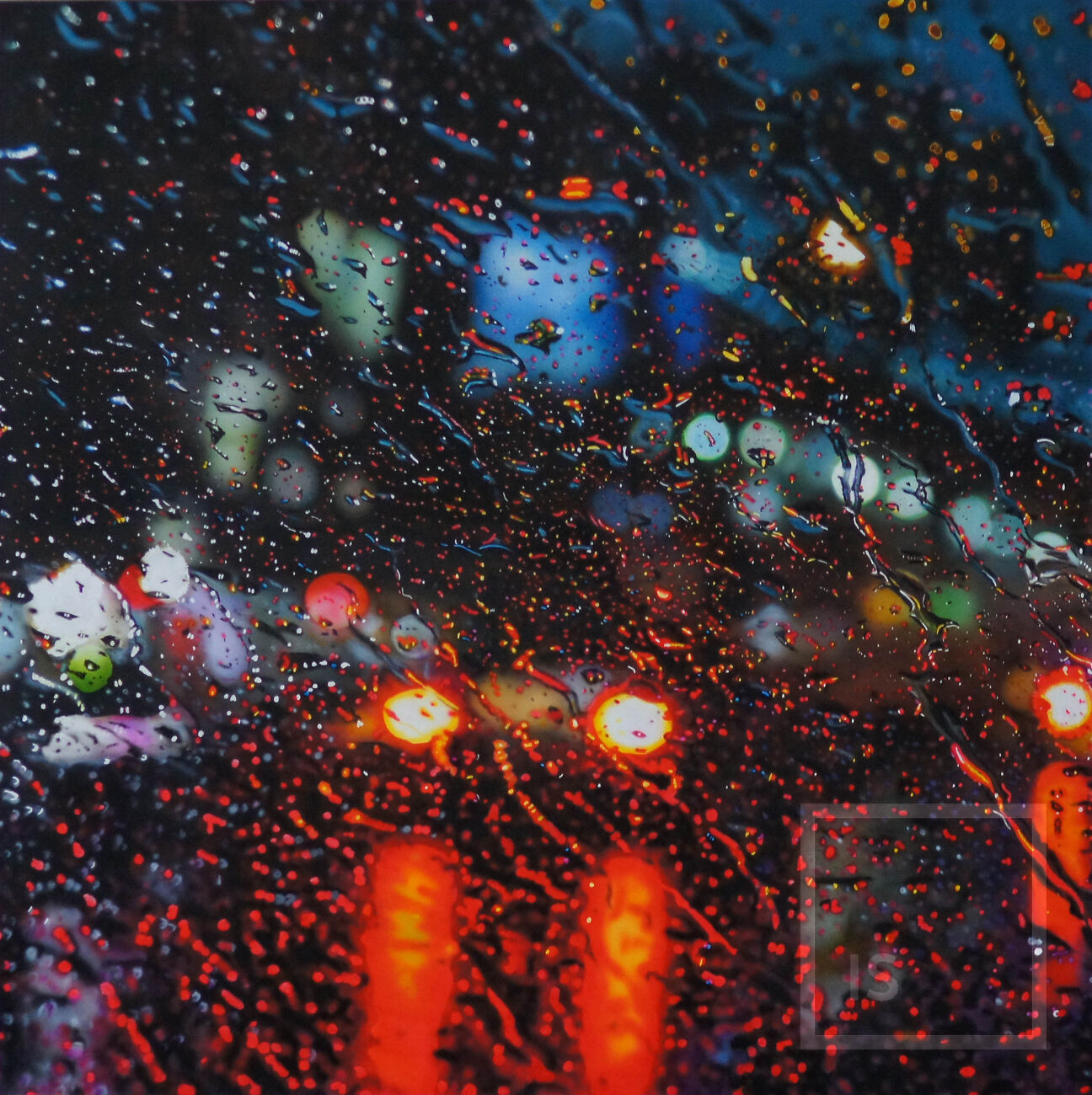
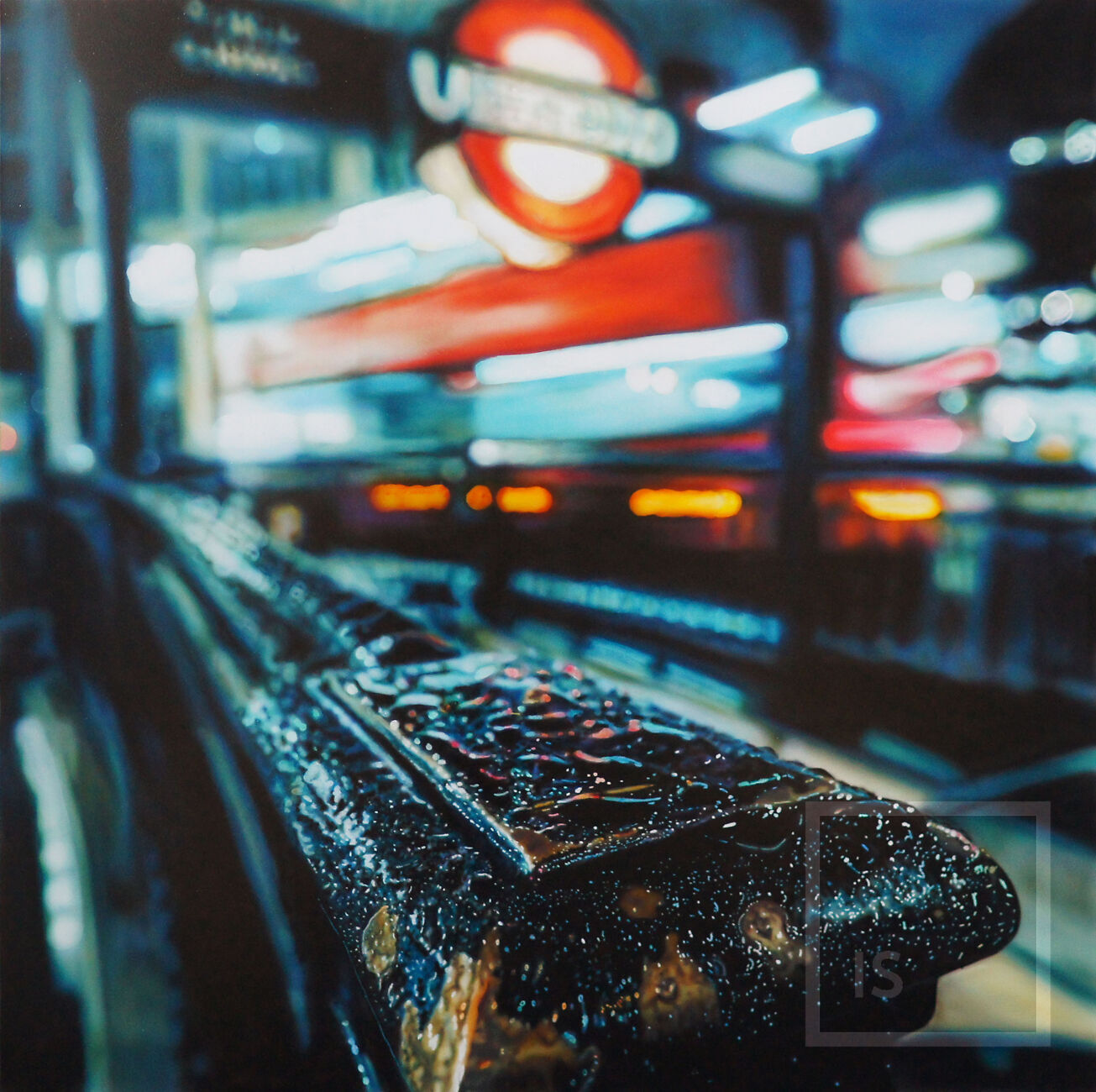
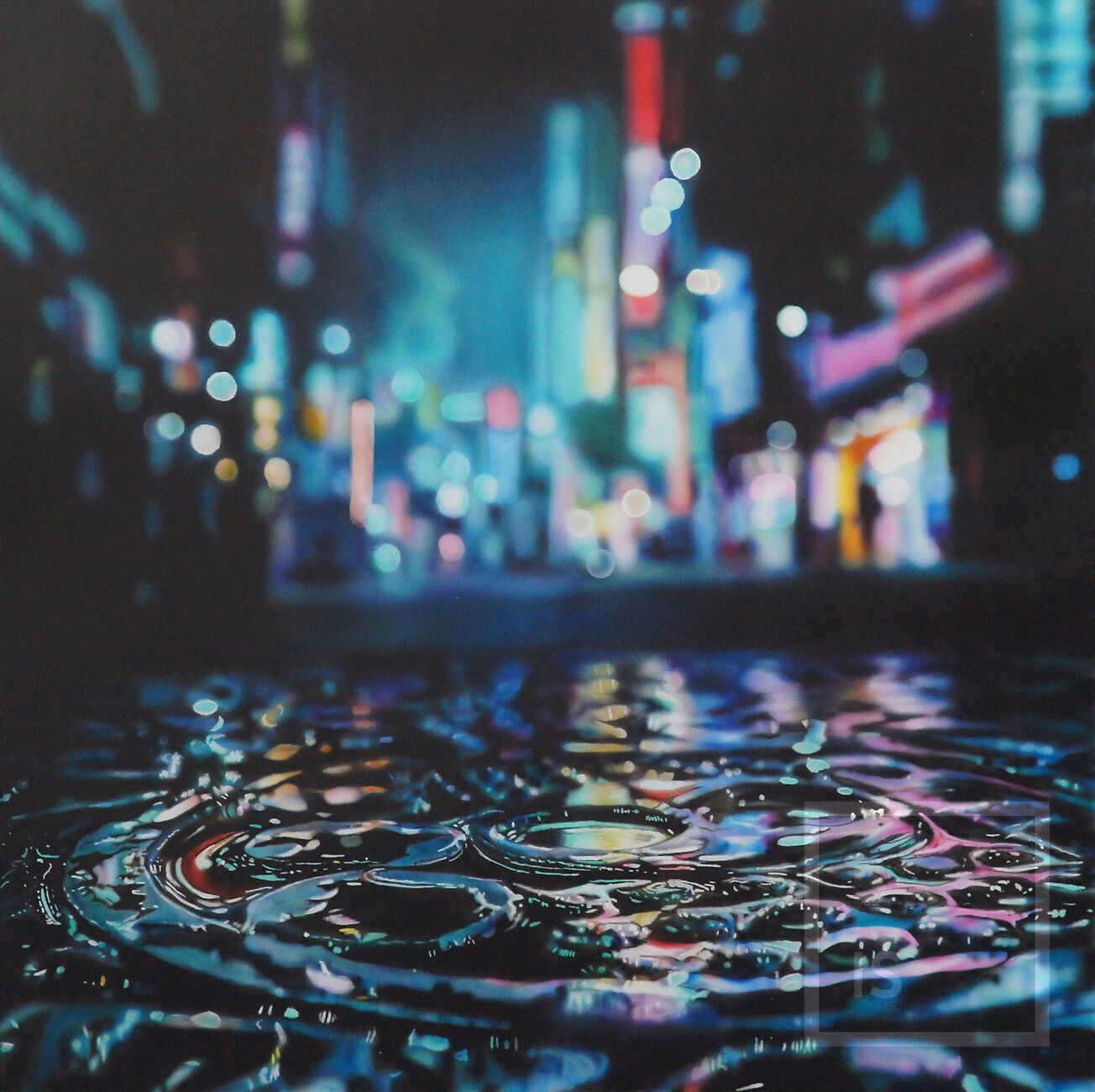
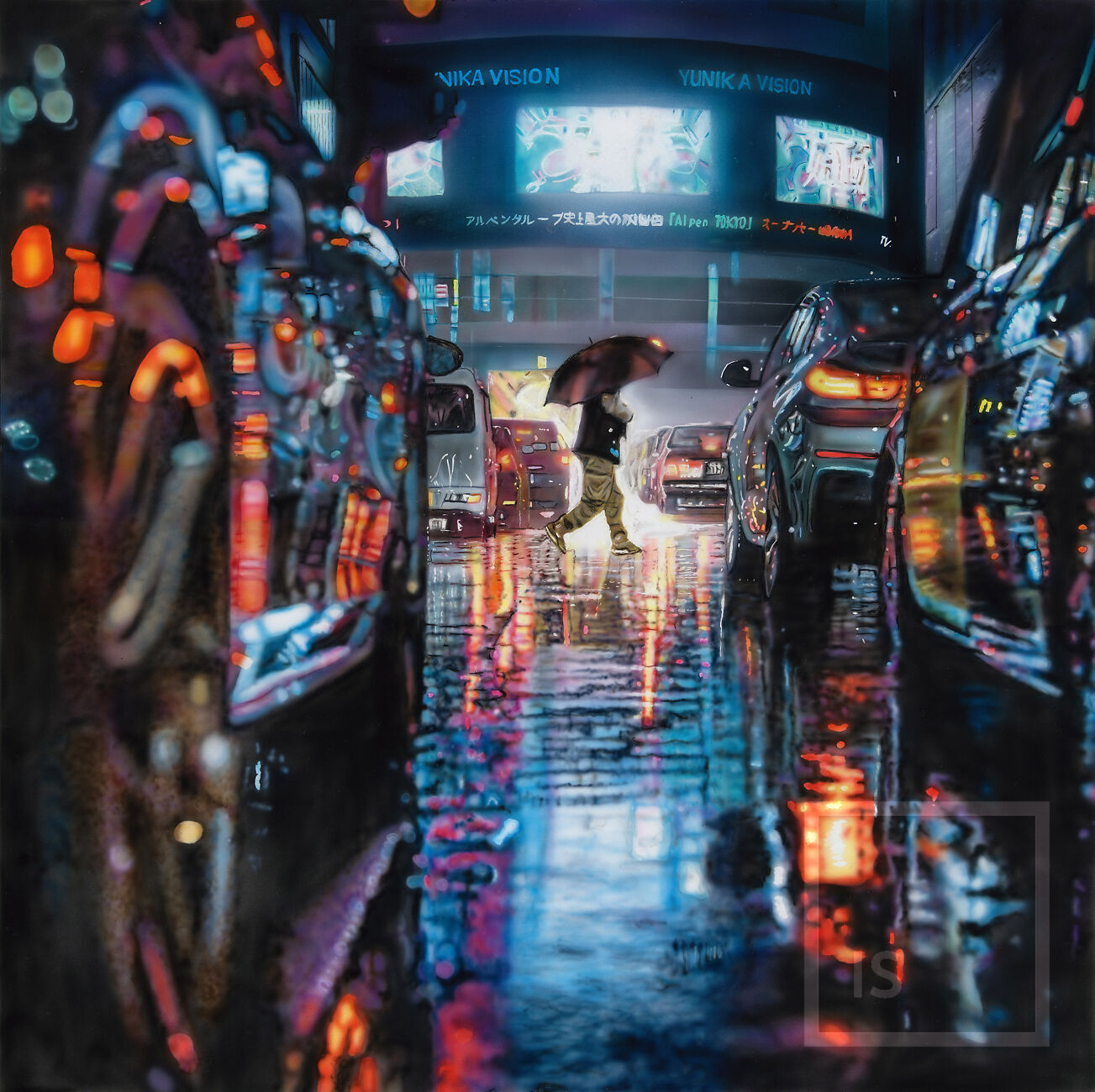
Originally hailing from New Zealand, Todd is best known in the Melbourne art scene for his striking photorealistic urban streetscapes and contemporary portraiture work. Blending a meticulous eye for detail with his formidable technical expertise, Todd's mastery of the airbrush packs his pieces with wow-factor, with awestruck viewers frequently mistaking his artworks for photographs.
We were thrilled at the chance to interview Todd, who gives us the inside scoop on his journey to becoming an artist, his creative process, and on building a commercially viable art career without compromising his integrity.
Hi Todd, thanks for chatting to us today. Could you give us a brief overview of your background as an artist?
You could say I’m a bit late to the party. Art has always been a passion of mine, but growing up in 1980s New Zealand, I never saw it as a viable career path. Although I loved art in school, I set it aside after Year 9, telling myself I’d return to it someday. Instead, I pursued a degree in Economic History, which led to a 20-year career in Information Technology, developing and implementing software systems.
Art became my outlet to unwind from the pressures of the tech world. Eventually, I negotiated a four-day work week, dedicating Fridays to painting. That four-day week gradually shifted to three days, and so on, until I found myself fully immersed in art. Today, I genuinely feel like I’m living the dream. Every day, I’m excited to get into the studio and create.


Was there a pivotal point in your early years that set you on a creative path?
If I had to choose one moment, it would be when my wife gifted me a weekend art course. I had taken a few art classes over the years, but they often left me feeling underwhelmed and uninspired. This particular course, however, was different. Though it was simply focused on drawing a plaster cast head, it had the structure and discipline I needed. More importantly, it reignited my passion for art and filled me with excitement about the creative possibilities ahead.
A recurring theme in my work is the concept of duality—the idea that something can embody two often opposing forces. For instance, AI can be a force for good, enhancing the human experience, or it can be used in ways that are detrimental to society.
- Todd Simpson
After that experience, I began attending evening classes a couple of times a week. That commitment set me on the path to where I am today.
What first attracted you to the medium of airbrushing? Are there any advantages to airbrushing that appeals to you over other more traditional mediums?
It all started when I encountered Bob. I was visiting the National Gallery of Australia when I came across the massive 2x3 metre portrait titled Bob (1970) by American artist Chuck Close. The level of detail was astonishing, and I was in disbelief that such realism could be achieved with paint. When I learned that the portrait was created using an airbrush and a single tube of black paint, I knew I had to explore the medium for myself. I realised that to achieve that kind of precision, I would need to set aside traditional brushes and oils and pick up an airbrush.
I’m drawn to the airbrush because it allows for an unparalleled level of realism. The aerosol application is perfect for creating soft, atmospheric effects—whether it’s clouds, fog, smoke, or bokeh, the airbrush excels at rendering these delicate details. It also enables seamless transitions and blends between colours, and I love how the paint dries almost instantly upon contact with the surface. These qualities make the airbrush an incredibly versatile and powerful tool in my creative process.
As a realist artist, what creative decisions do you make in your choice of colour palette, composition, or subject matter that distinguishes your work from direct photographic representation?
For me, painting in a realistic style isn’t about reproducing photographic references like some kind of human inkjet printer. The true appeal lies in the technical challenge and the deep satisfaction that comes from creating something so life like, it’s mistaken for a photograph. It’s a demanding process that requires mastery of the medium and meticulous attention to detail, colour, perspective, proportions, light, and texture, to name a few.
While my artworks are informed by the reference images I use, I’m never confined by them. The painting process is one of constant decision-making—details are added or omitted, often drawing from multiple sources, areas are sharpened or blurred, colours are altered, and chroma is adjusted. Even the most successfully rendered realistic painting is still an illusion; when you get close enough to the surface, it begins to resemble abstract art more than a photograph.
It would be fascinating to hear more about the themes that inspire your work. What is it about atmospheric urban streetscapes that captivates you? Also, what motivated the change in direction with your recent Burning series?
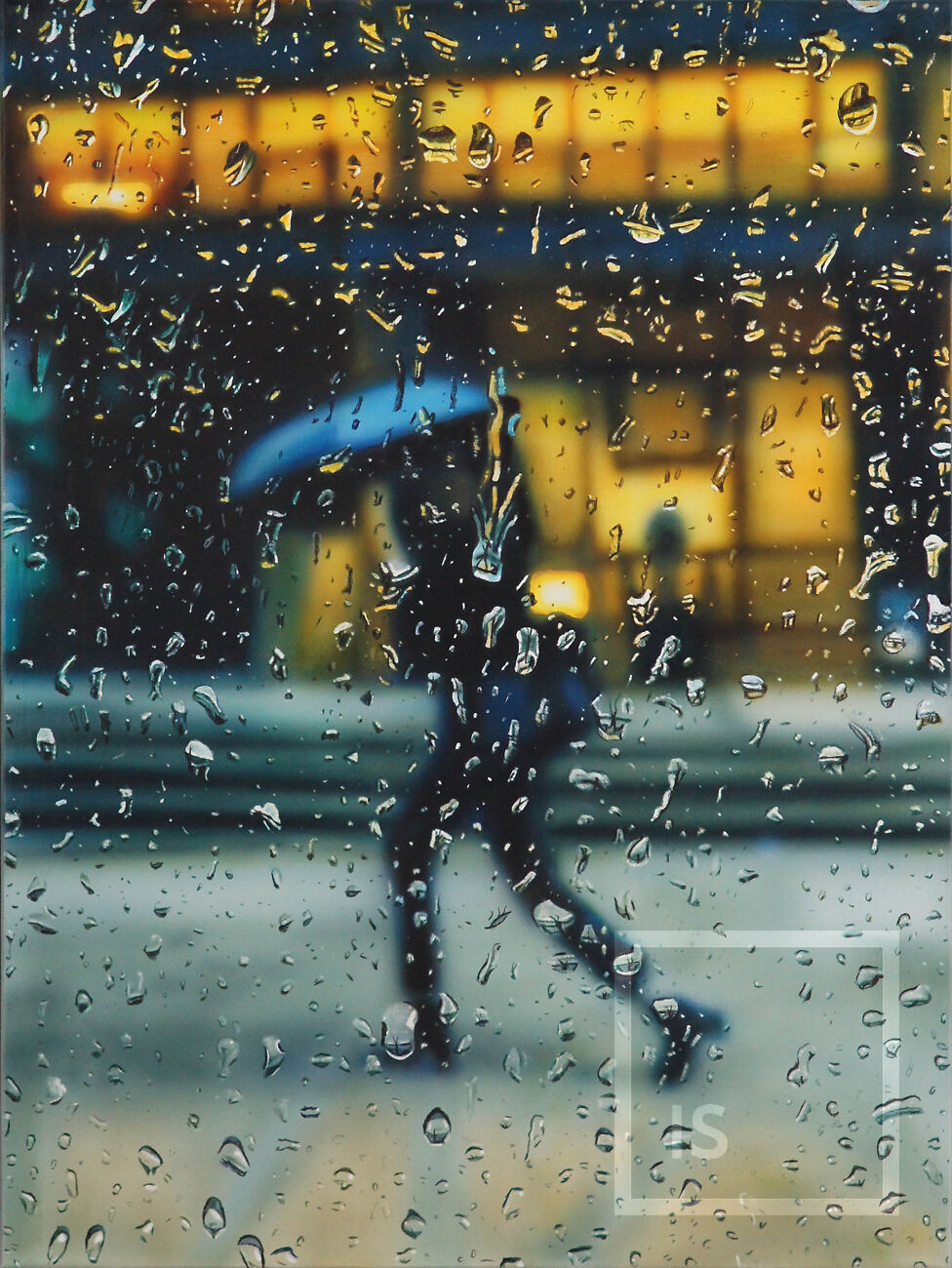
I’ve been exploring the urban landscape series on and off for a few years now. When most people think of landscapes, they picture tree-covered vistas, but the reality for most of us is that our daily lives unfold in urban settings. We’re often so busy that we overlook what’s right in front of us. With this series, I wanted to draw attention to the beauty in simple, sometimes mundane things—like the reflections on a wet street or the droplets on a window. I’m also drawn to this series because it showcases the effects that airbrushing can achieve, like the soft focus and atmospheric qualities that are difficult to replicate with other tools.
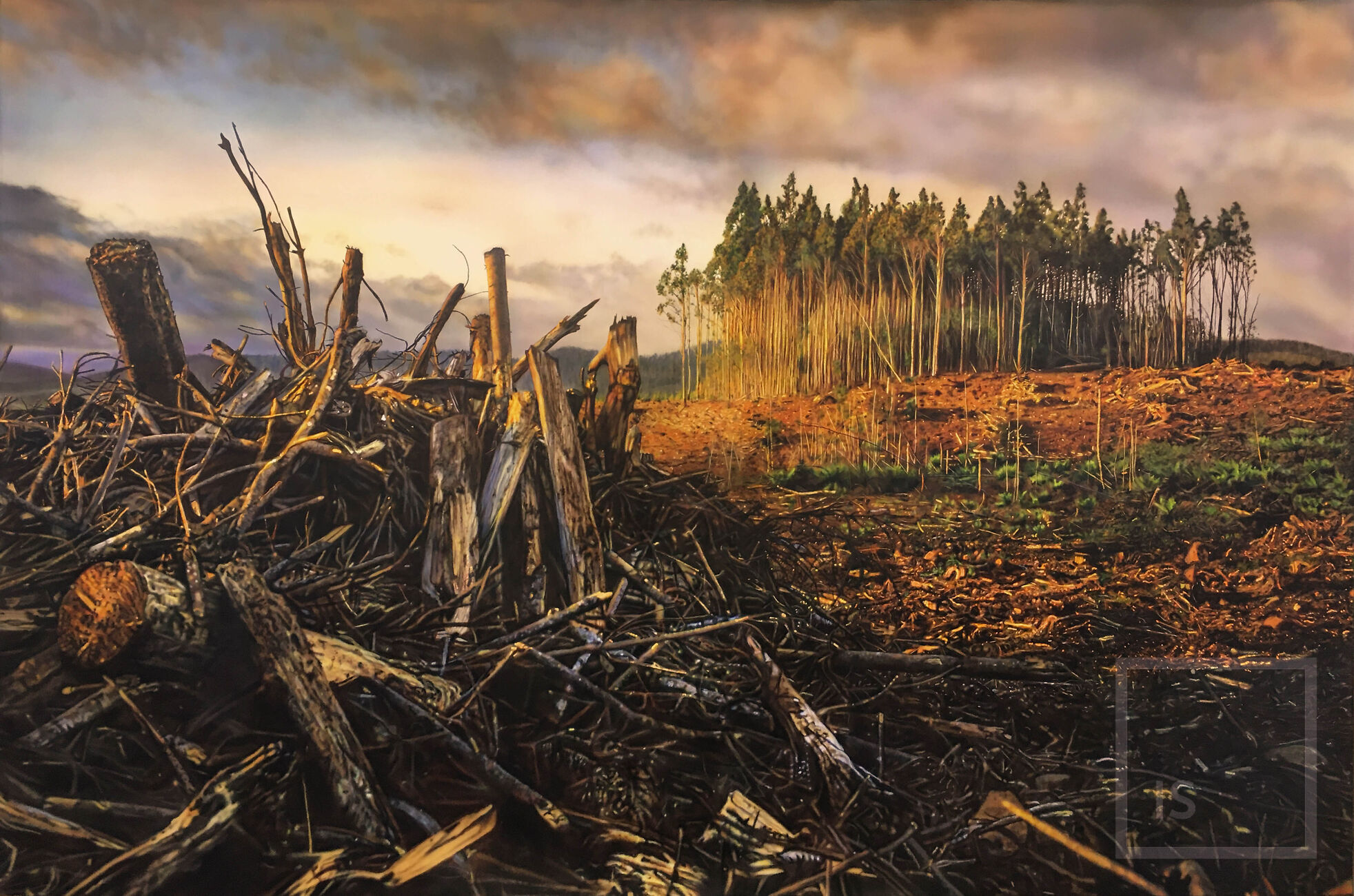
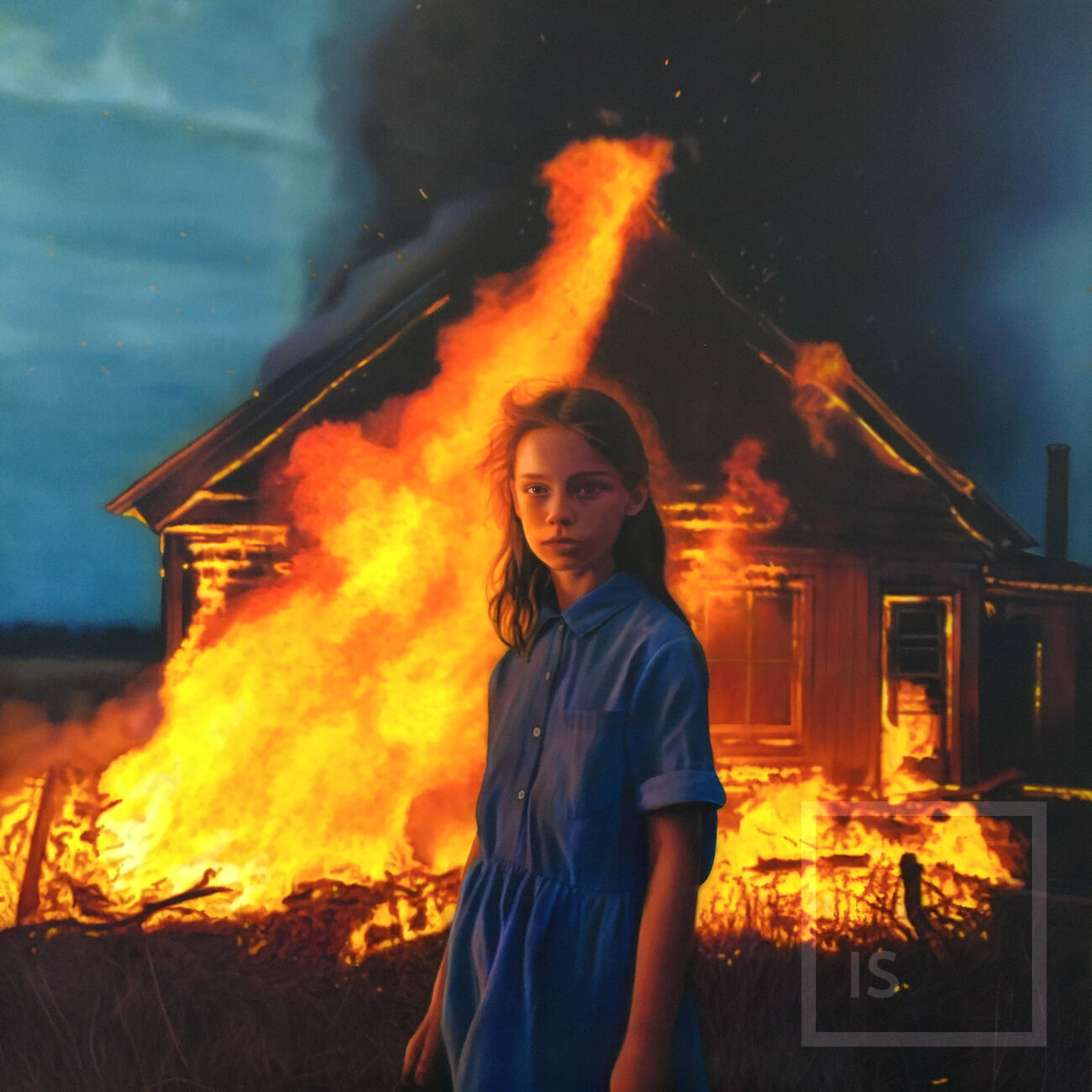
As my painting has evolved, I’ve gravitated more towards creating works that tell a story or convey a message, adding an extra dimension to my art. The Burning series emerged from a desire to take a break from the urban landscapes and create something purely for my own satisfaction. It allowed me to produce visually compelling pieces that express some of my thoughts around the challenges facing society and our responses to them.
You’ve mentioned that you typically like to paint a self-portrait every year or two as a way to see how your approach to the subject and technical skills have developed. In what ways have you observed your execution and style evolve over the years?
My self-portraits span over 15 years, and while some of those early attempts are a bit cringe-worthy now, at the time, I thought they were quite good. Each portrait is like a time capsule, capturing where my art practice was at that moment. Although the subject remains constant, the treatment reflects my evolving skill levels, influences, and the ideas that were on my mind at the time.
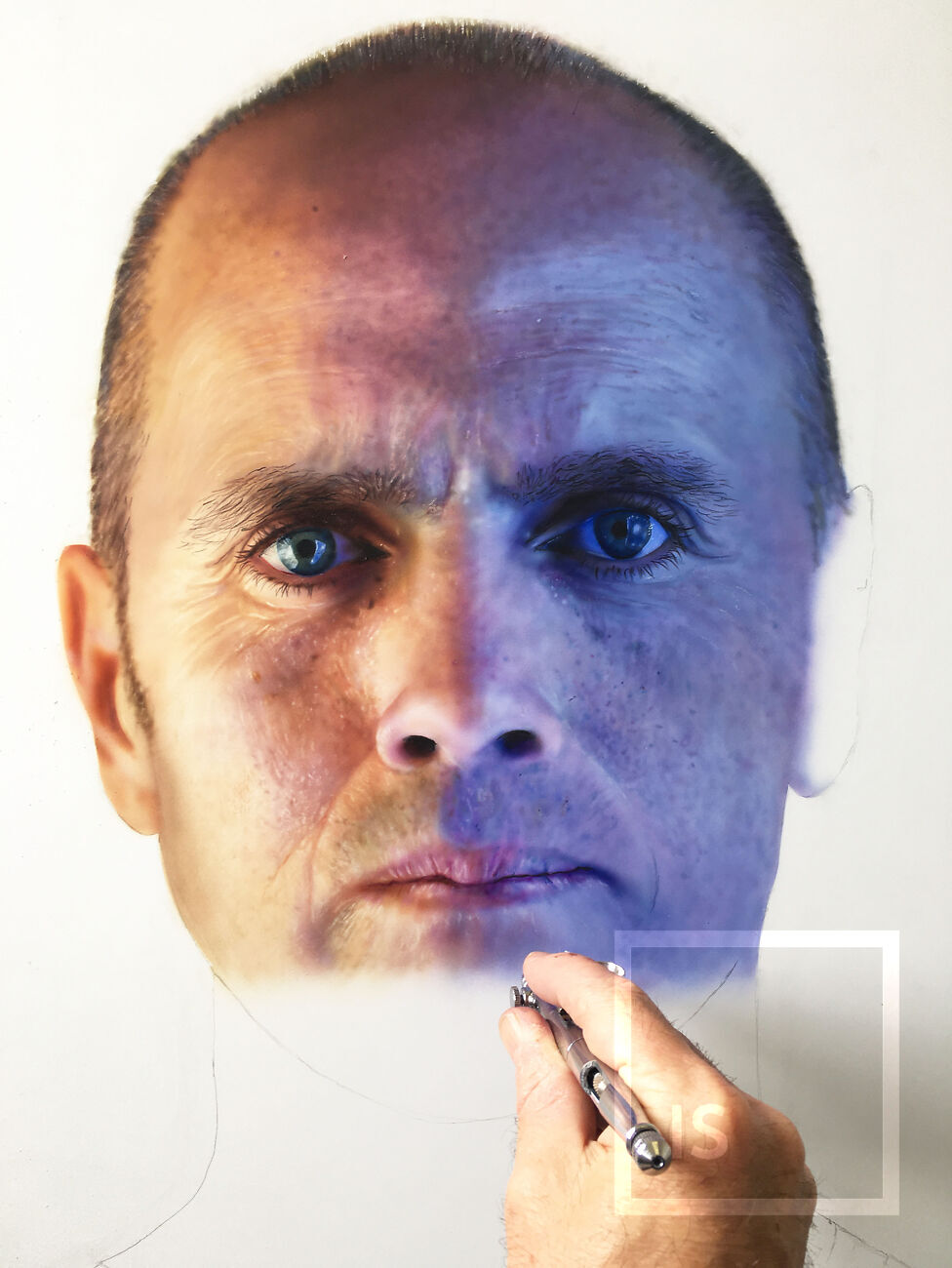
I see self-portraits as an opportunity to challenge myself technically and to explore new ways of portraying a familiar subject. They also serve as a test for my progress, often being submitted to art prizes with varying degrees of success. The most significant changes over the years have been in my tools—moving from brushes and oils to airbrushes and acrylics—and in the execution, with a noticeable improvement in my skill level.
Though visually representational, your artwork often explores complex topics such as the rapidly evolving digital landscape in terms of privacy, AI and what it means for artists. Could you elaborate on some subjects you have explored recently in your work?
These topics stem from my background that I mentioned earlier. AI is particularly intriguing to me because of its potential to fundamentally reshape both the economy and our way of life. A recurring theme in my work is the concept of duality—the idea that something can embody two often opposing forces. For instance, AI can be a force for good, enhancing the human experience, or it can be used in ways that are detrimental to society.
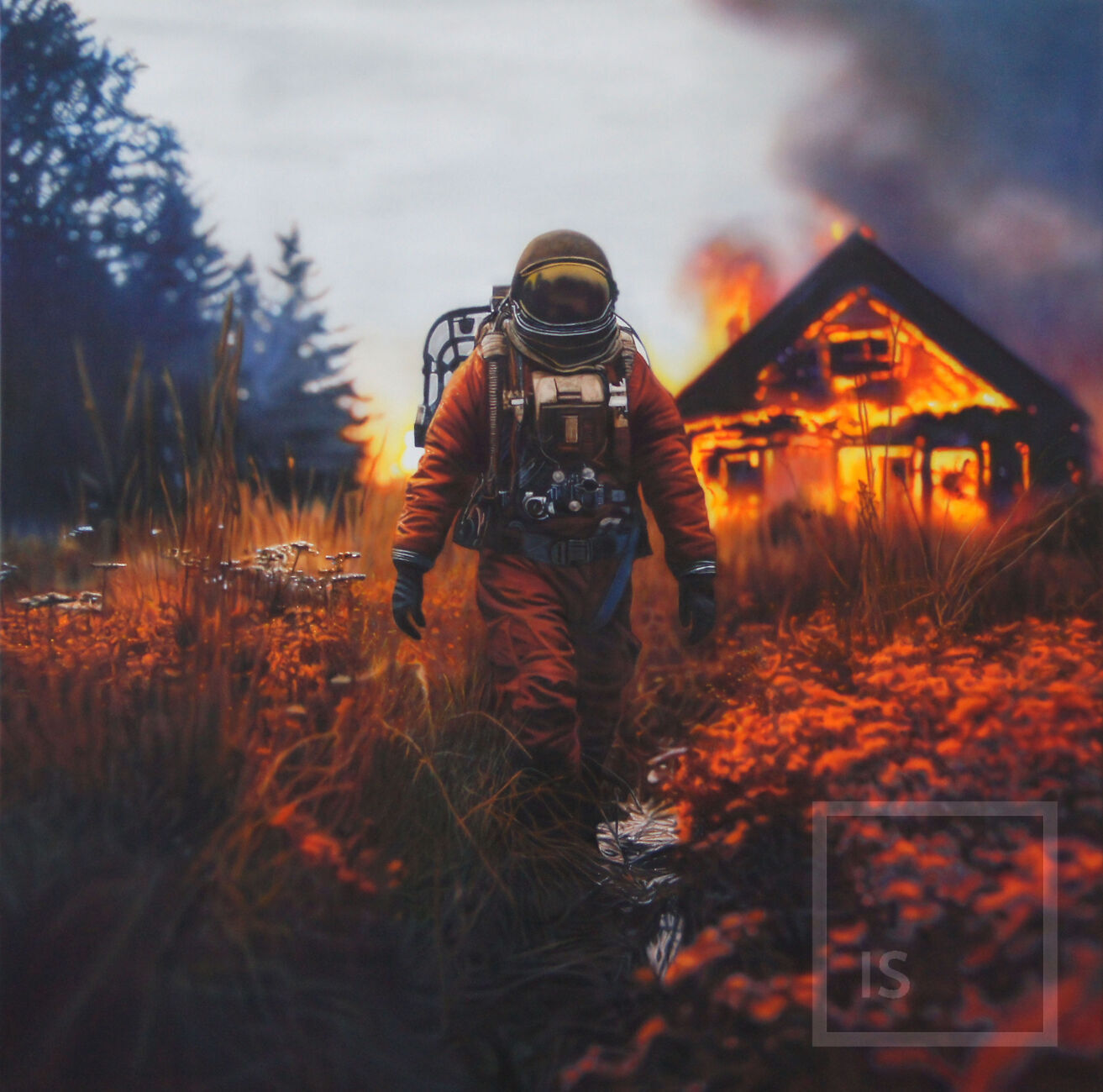
In my Burning series, I use fire as a symbol of both destruction and rebirth. The paintings often feature a young girl, representing youth and our future, as a central character in the narrative. These works address significant challenges facing society—like climate change or geopolitical tensions—and explore how our responses to these issues could lead to vastly different outcomes. Recently, I introduced a new character: an astronaut, who symbolizes the outside observer. This figure invites the viewer to step into his boots and consider what an unbiased perspective might make of the events unfolding in our world today.


What essential equipment, tools or materials do you consider indispensable to your artistic process?
In addition to a couple of airbrushes, my process requires a range of specialized equipment, including an air compressor, liquid acrylic paint, and carefully prepared surfaces like smooth gessoed canvas or aluminium dibond board. It’s a setup that’s really only suited to studio work. Photoshop is another indispensable tool I rely on for manipulating reference images before painting and for preparing colour swatches.
What techniques do you use when approaching a new artwork in terms of conceptualisation and sourcing reference images for your work? Do you have established methods, or do you find your process varies with each piece?
I’m always collecting images that catch my eye or might be useful in a future artwork—some I take myself, while others I come across through various sources. When I’m starting a new piece, I usually sift through these collected images for inspiration or as a basis for the painting. My process tends to vary depending on what I’m working on and who it’s for.
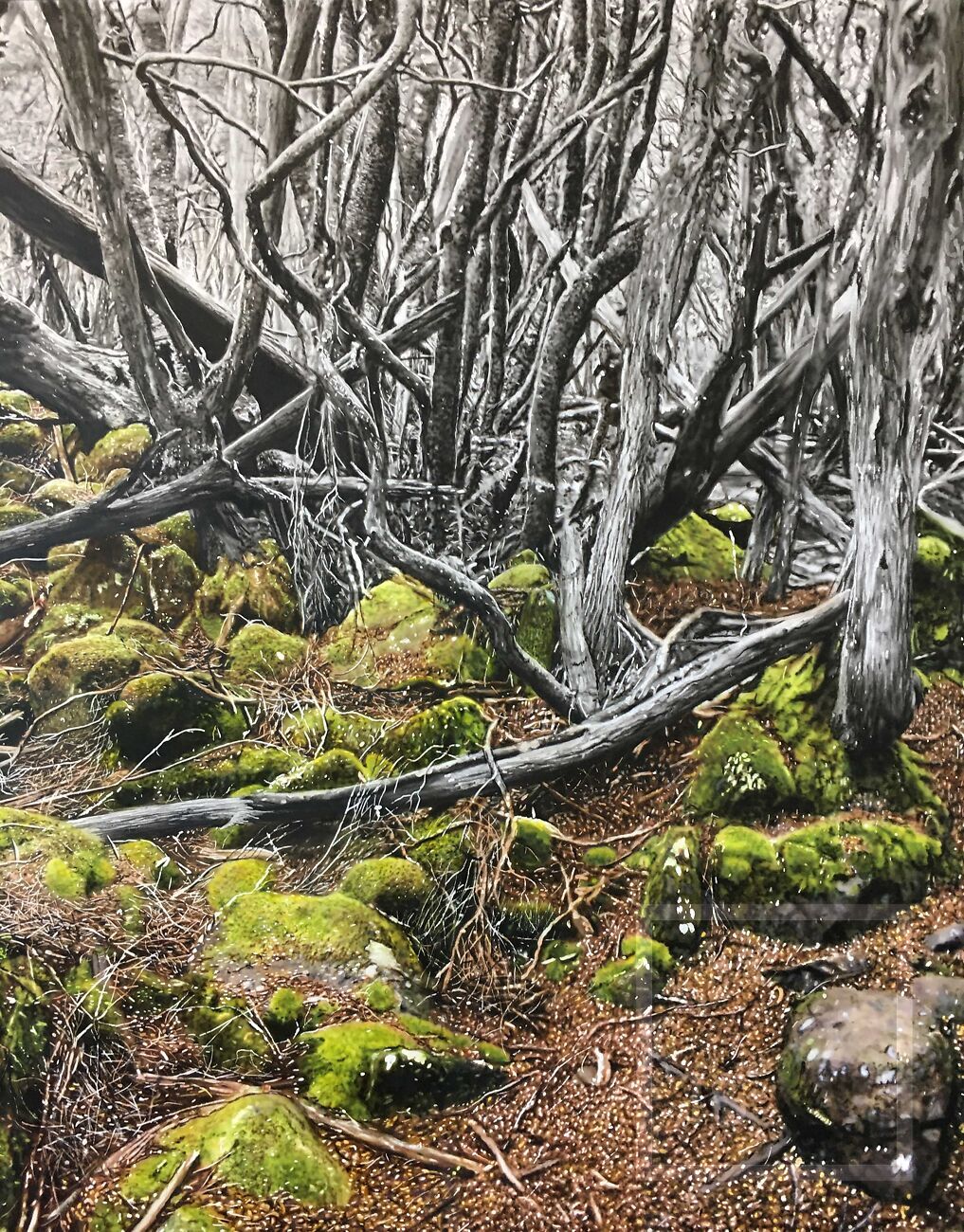
For instance, when I recently painted pieces for The Affordable Art Fair, the gallery requested Melbourne urban scenes. I spent hours walking the streets and laneways of the city, taking photos to use as reference images. On the other hand, if I’m working on a commission, the client might already have a concept, subject, or even a specific image in mind, which guides the direction of the work.
How do you balance the creative aspects of your work with the practical demands of running your art practise as a business? Do you have any advice for artists on how to be commercially successful, especially in terms of art fairs and selling limited edition prints?
In an ideal world, there would be a perfect collector for every piece I create, but that’s not the reality. Success in the art world means different things to different people. For me, it’s about producing work that I’m proud to put my name to. If someone connects with it enough to buy, that’s a bonus.
Balancing creativity with commercial viability is key. I focus on creating a mix of pieces—some that I know have a strong chance of selling, and others where the outcome is less predictable. These could be entries for portrait prizes, a new series that push boundaries, or simply works I create for my own enjoyment. No matter what, I always paint what genuinely interests me, because if I’m not enjoying the process, then what’s the point?
That said, commercial success isn’t just about luck; it can be cultivated. An artwork needs to resonate with a collector on some level for a sale to happen. While every collector’s taste is unique, having a distinct artistic style, high-quality execution, and thoughtful subject matter is crucial. Visibility is also key. Since I’m not formally represented by a gallery (although I’m open to offers), I rely on multiple channels to get my work seen—sales can and do come from anywhere. These channels include my website, social media (Instagram and Facebook), online galleries like Bluethumb, art competitions, art fairs like The Other Art Fair and The Affordable Art Fair, group exhibitions, collaborations with other artists, informal gallery representation, and commissions.
Lastly, pricing is an art in itself. The perception of value is often tied to price, so if you don’t value your work, neither will others. At the same time, you don’t want to price yourself out of the market. I typically adjust prices incrementally as a series gains popularity, raising them every few sales until the right balance is struck. It’s also wise to offer a range of price points, which is where limited edition prints come in. While an original can only be sold once, prints allow multiple sales and provide a more accessible option for those who appreciate your work but may not be ready to invest in an original.
What’s next on the horizon for your creative practice? Do you have any events or projects in the works for the rest of the year (and beyond)?
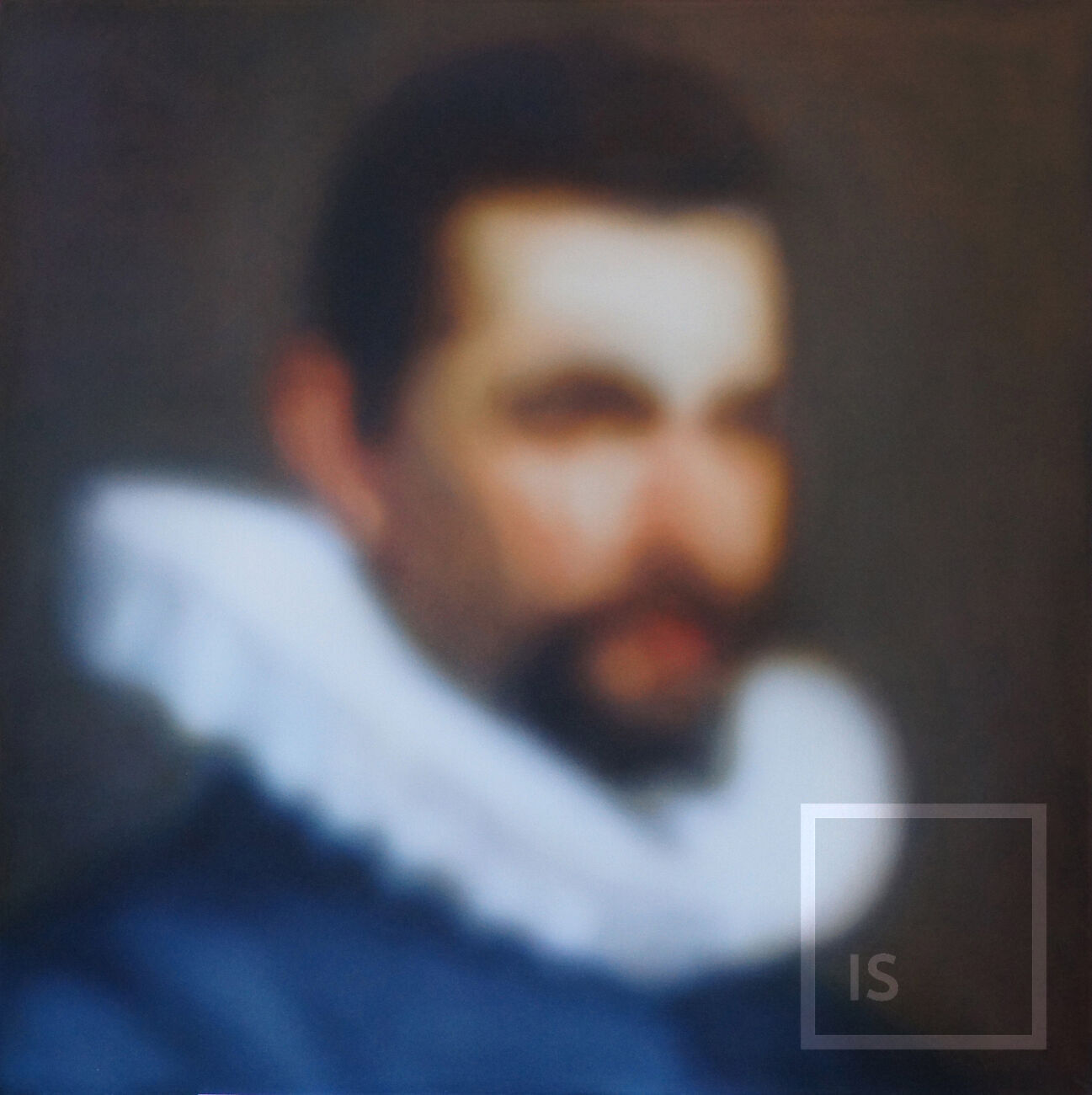
First up, I’m revisiting a series of unconventional, completely blurred portraits inspired by the Old Masters. In these paintings, sharp lines and detail are deliberately omitted through the layering of aerosol paint, resulting in images that might just have you reaching for your glasses!
Later in the year, I have a month-long arts residency in Hobart, where I’m looking forward to drawing inspiration from both the cityscape and natural surroundings to create some new artworks. Finally, I’m also participating in a couple of group exhibitions with Lethbridge Gallery in Brisbane—so I really need to get cracking on those!
Follow Todd on Instagram at @toddsimpsonart to stay up to date with artist news, or check out Todd's website here. For enquiries regarding available artwork and limited edition prints, please contact Todd on Bluethumb Art here.