Featured Artist: Oslo Davis
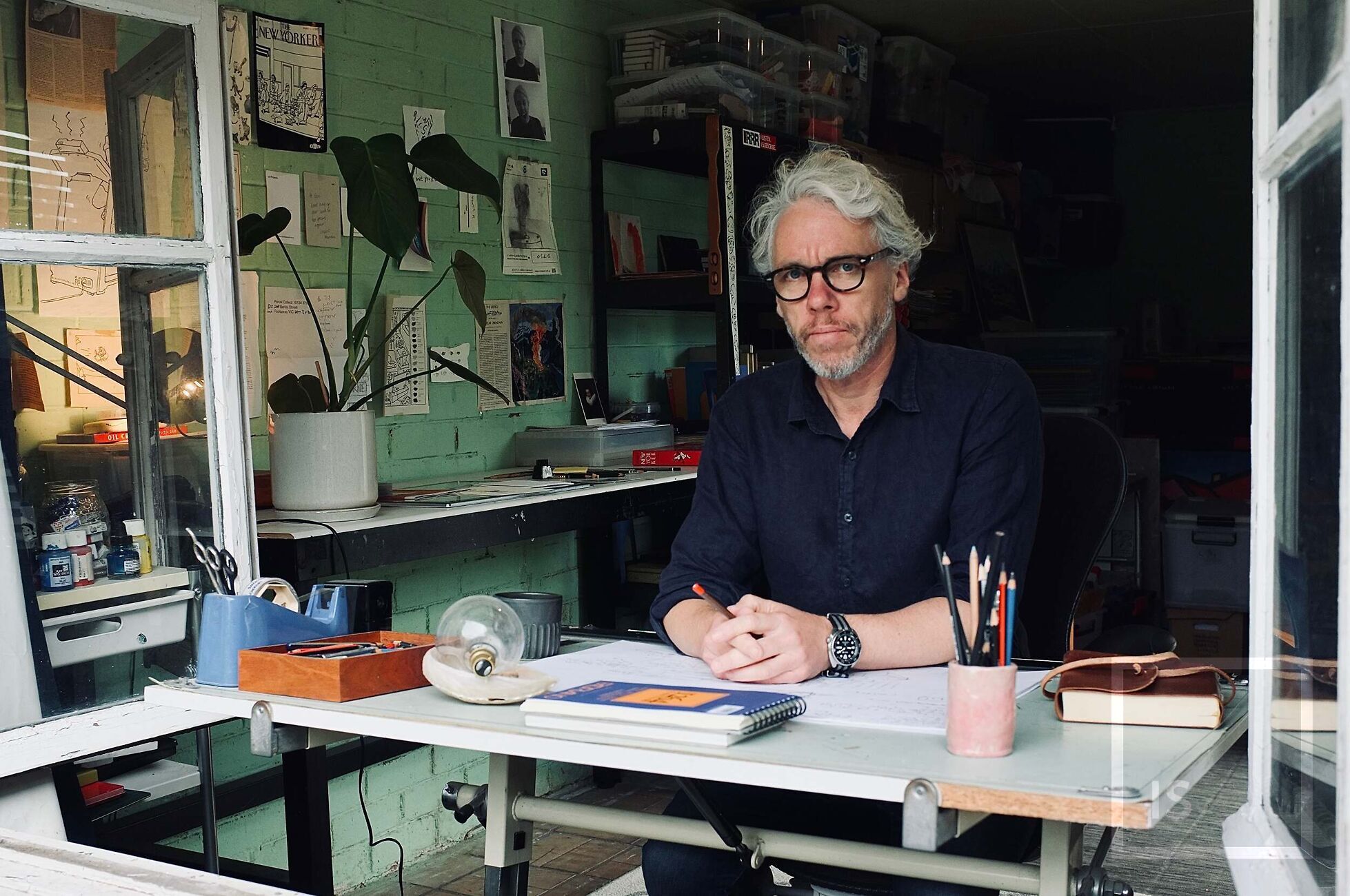
Humour has a way of showing us who we are - sometimes with affection, sometimes with a sly wink, but always with a kernel of truth at the heart of it. This is how Oslo Davis distils his observations of human nature into just a few strokes of the pen - with a wit that is sharp, but never unkind, his work reminds us that the every day is full of absurdity, contradiction, and charm.
Oslo is a cartoonist and illustrator whose work has become a part of Melbourne's cultural fabric. His work has appeared regularly in publications like The Age and the The Monthly, but readers may be more familiar with his long-running series, Overheard, a clever observational cartoon project that captures snippets of eavesdropped conversation from the streets of Melbourne. Merchandise designs for the Tokyo Olympics and illustrating a 29 metre drawing for a Melbourne tram can also be found among his accomplishments, alongside published collections such as Overheard: The Art of Eavesdropping and his This Annoying Life colouring book series.
In this conversation, Oslo speaks on the art of observation, why ideas are more important than pretty pictures, and the restless curiosity that keeps his work moving forward.
Hi Oslo, thanks so much for chatting with us today! Let’s talk about your artist origin story – could you talk a bit about when you first began to take art seriously, and how those beginnings shaped the direction of your practise?
I didn’t train as an artist—I was a high school English teacher for a few years. But, to cut a long story short, I taught myself to draw in my late twenties while traveling through India, Vietnam and Japan. After that, I put my furtive attempts at cartoons into zines and sent them to friends and newspaper editors, whether they wanted them or not. Over time I started getting my work published in newspapers and magazines. I also started applying for arts funding and I put myself forward for drawing projects and art residencies. Eventually I built up enough steam to ditch the day job and commit to drawing and making art full time.
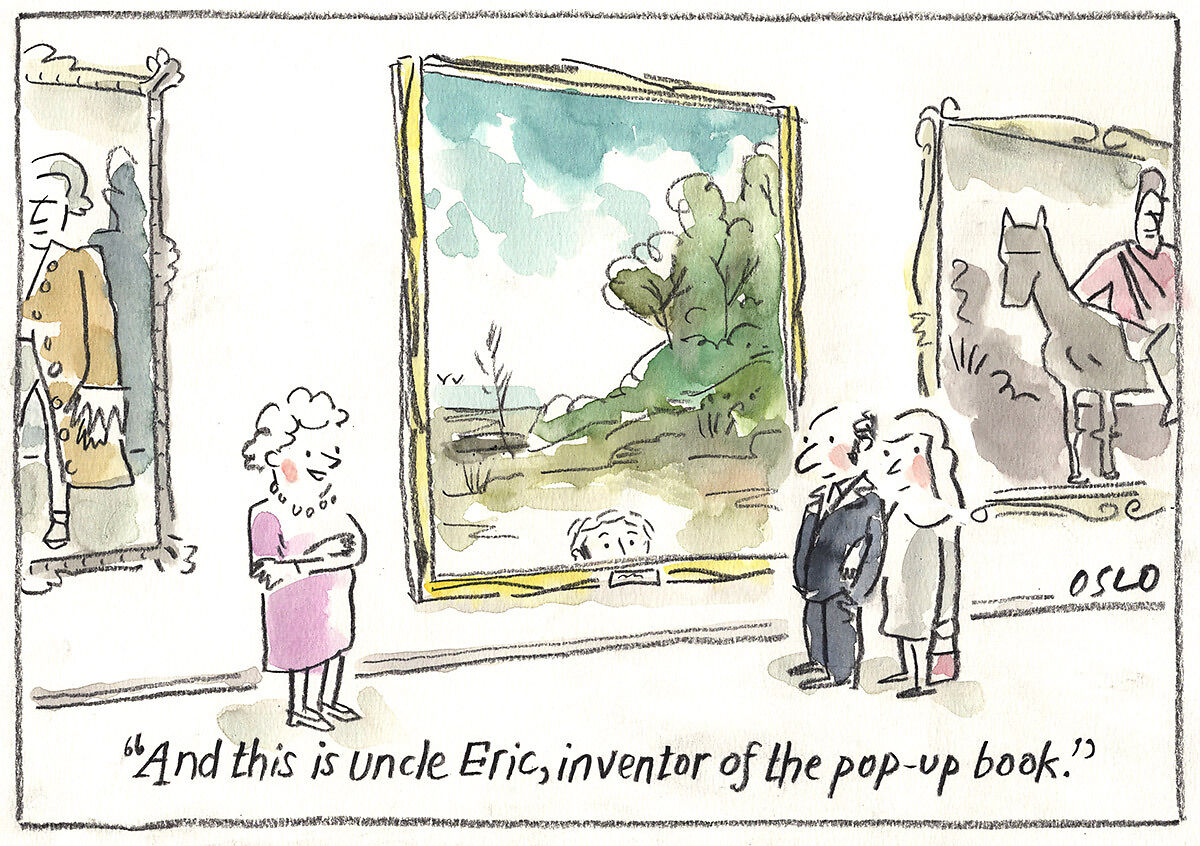
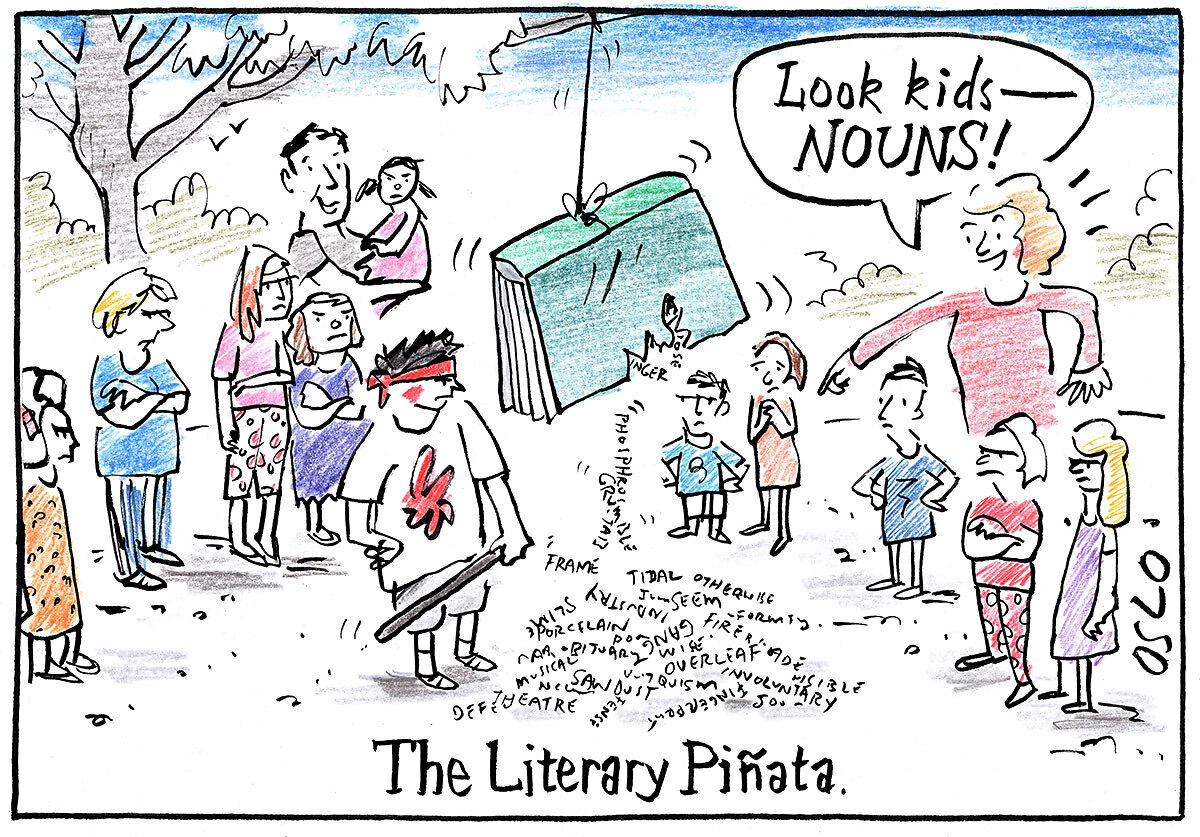
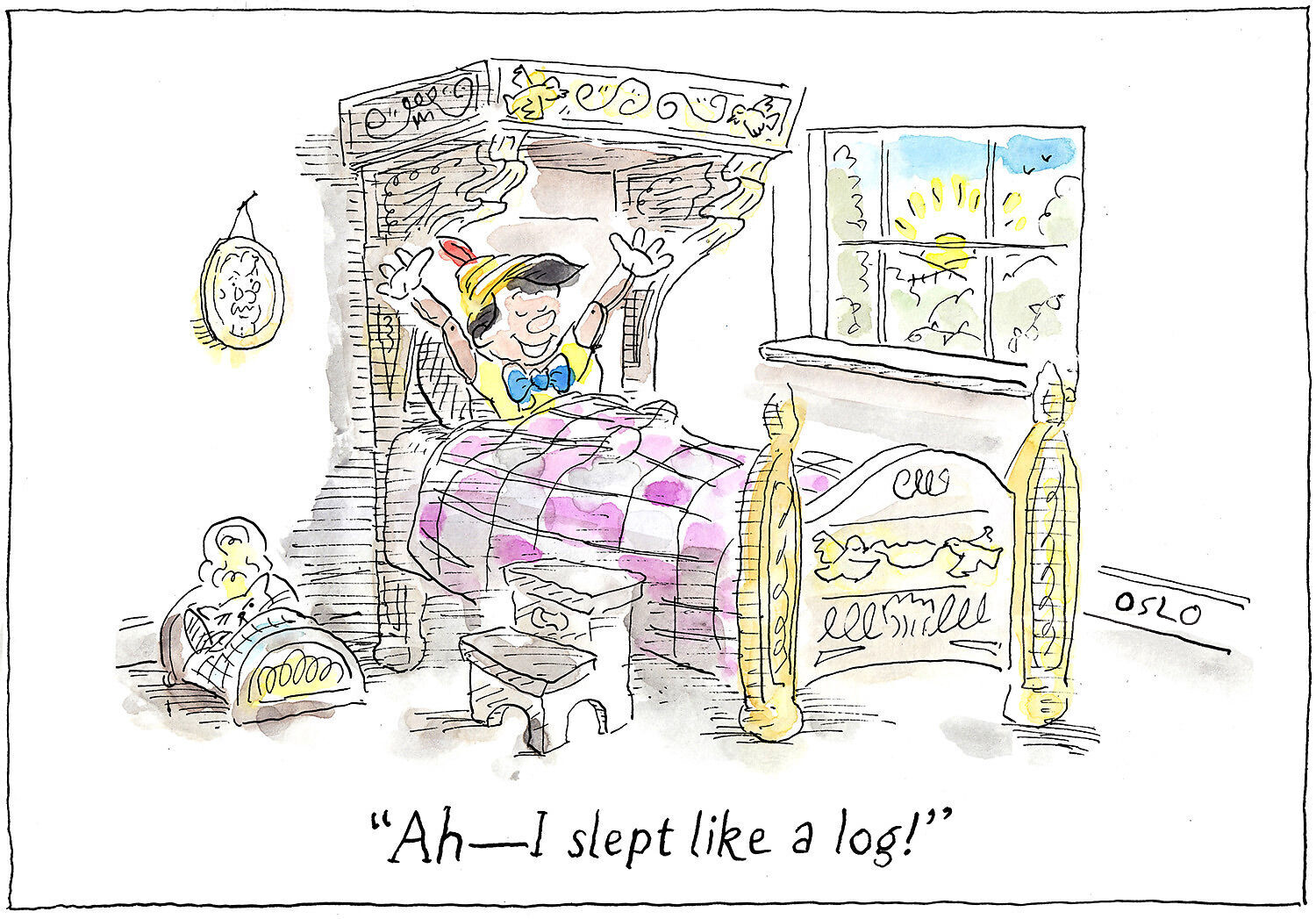


What I hope to do is show people how they are, how they look, to present them in a drawing with a degree of perspective. My life mission is to save humanity from themselves, basically.
- Oslo Davis
You’ve shared that you weren’t particularly “good” at art when you were a child – how did you push through that initial insecurity and do it anyway? Is there something you’d wish you’d known about developing your visual voice?
For me the most important thing has always been to have a great idea, or a funny joke, or something meaningful that can sit at the heart of the drawing or whatever. If it doesn’t have that then it feels hollow, or pointless; it’s just a pretty picture or decoration. Even absurdity and nonsense is better that a pretty drawing of a sunset, IMHO. So, when I realised there was no way on earth I could compete with more competent artists doing pretty pictures I resolved to double down on trying to be clever or funny or cheeky. (I feel though, just by drawing a billion drawings over time, my art skills these days are better than they used to be.)
I have no idea what my ‘visual voice’ is, as you say. In fact, I feel like whenever I start a new project or assignment I am starting from scratch, relearning how to draw, be funny or come up with stuff for the first time. The voice part is not something I think about really, and is probably better left to academics and biographers to define when they come to write their in-depth and expansive theses on me. ;)
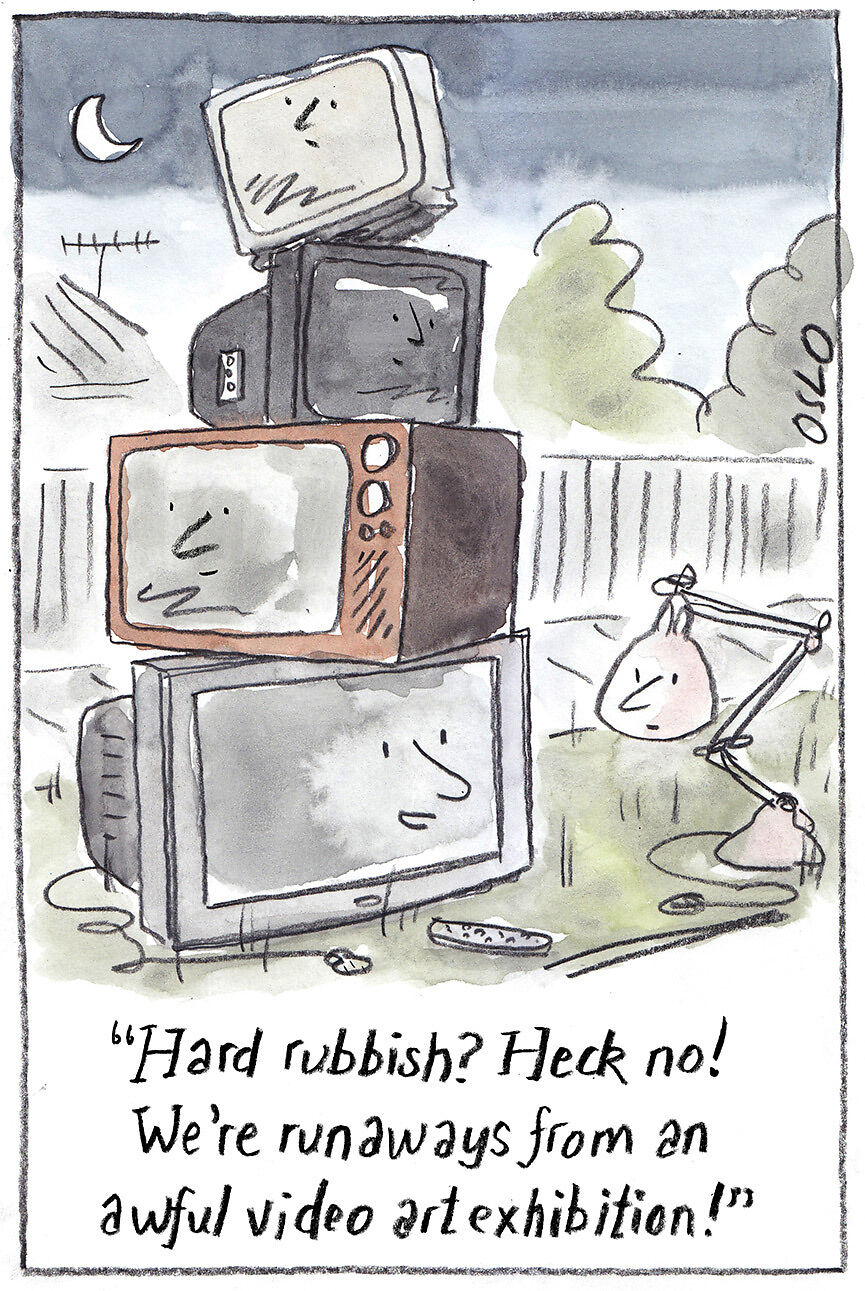
The impulse to observe and record seems to sit at the heart of your work. How did that instinct first emerge for you as an artist – and what makes you want to hold on to the fleeting moments that you draw upon?
I’m not sure I want to hold on to the 'fleeting moments’, but I do have some sort of instinct, or compulsion at least, to observe, and then make fun of, the world. Well, not ‘make fun of’ in a nasty way, but more like a documenter of idiocy or those things that are wrong or weird with people. Or things that are funny about people. There is humour, and idiocy and contradiction and absurdity all around us. I just have an interest in seeking it out and drawing it. Even those crazy conspiracy theorists are endearing, in a way. If anything, they are too cute and adorable to critique, except of course when they go rogue.
Observations in your work are at times both affectionate and critical. Do you find that your observational work makes you a little more cynical, or a little more empathetic towards humans in general? Or is it a lot more nuanced than that?
I’m happy that you can spot affectionate feelings in my work. The affection is genuine, and important for longevity, whereas cynicism has a short shelf life and can leave everyone bitter and twisted. And people get sick of too much cynicism. But cynicism is still useful in spicing things up a bit, like a few drops of Tabasco sauce on your ribs.
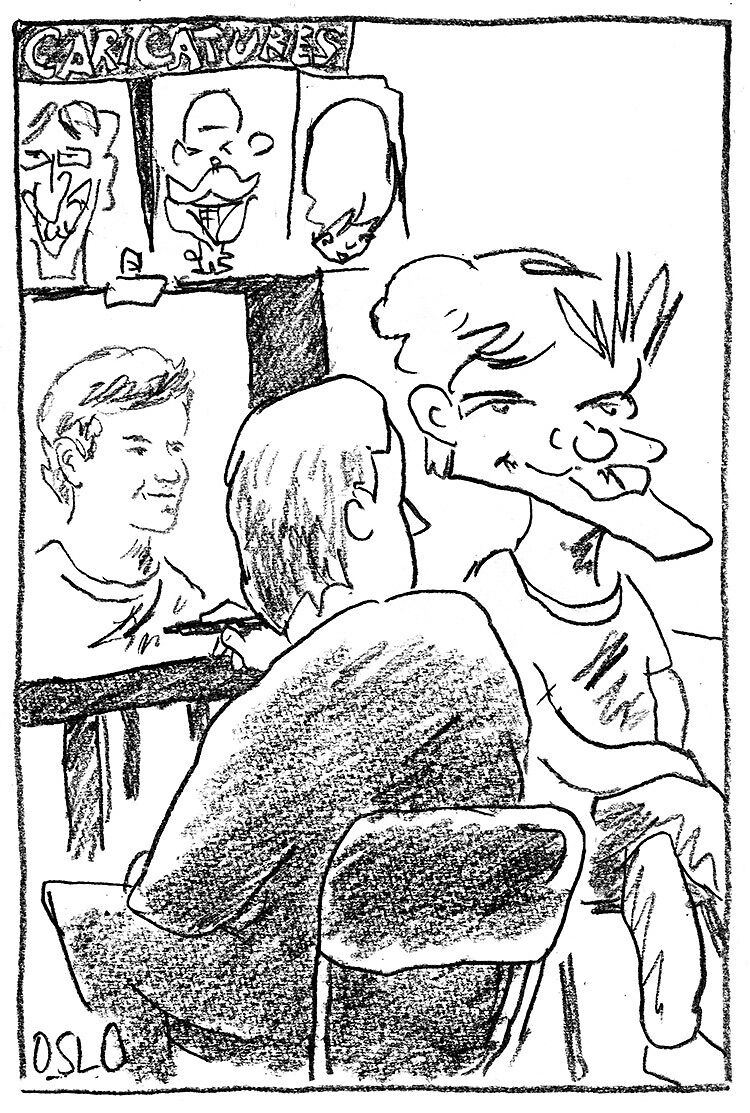
I feel empathetic towards humans’ failings. And I include myself in the category of ‘human’. But people take themselves way too seriously, and irony is a rare commodity. People can be so self-righteous, often at the expense of others. What I hope to do is show people how they are, how they look, to present them in a drawing with a degree of perspective. My life mission is to save humanity from themselves, basically.
Cartoons are sometimes dismissed as light entertainment, but you’ve once said that cartoons have unique potential – that they can do things no other art form can do. Could you expand on what you mean by that, and how you see those possibilities in your own work?
Larry David said he likes to make the big issues small and the small issues big. And that’s exactly what cartoons can do very well. Cartoons are deceptively childish, light. But they sucker you in and, before you know it, they’ve sunk the knife into the heart of an argument. Oftentimes a half decent editorial cartoon can hit the bullseye of a topic better and faster that the columns of text on the page that surround it. Even a seemingly pithy New Yorker cartoon can perfectly nail a common relationship issue, say, in just a few pen strokes and a tight caption. Comparatively, stand-up comedy is probably the closest artform to a clever gag cartoon, but you can’t cut a comedian out and put them on your fridge.
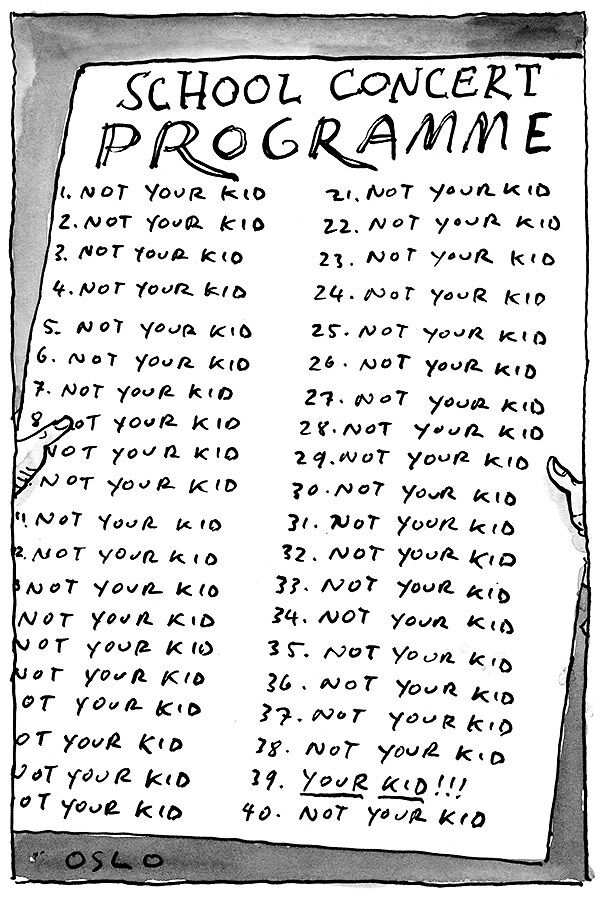
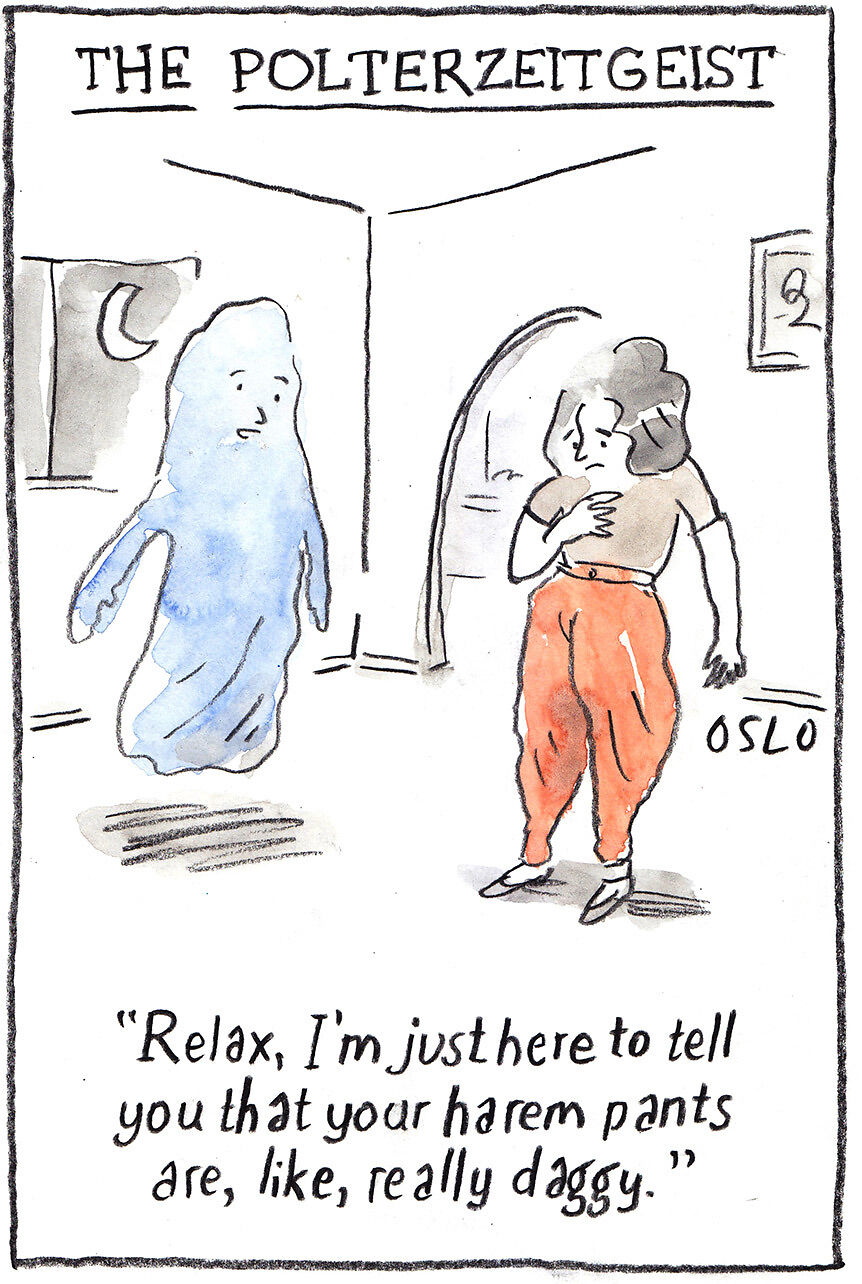
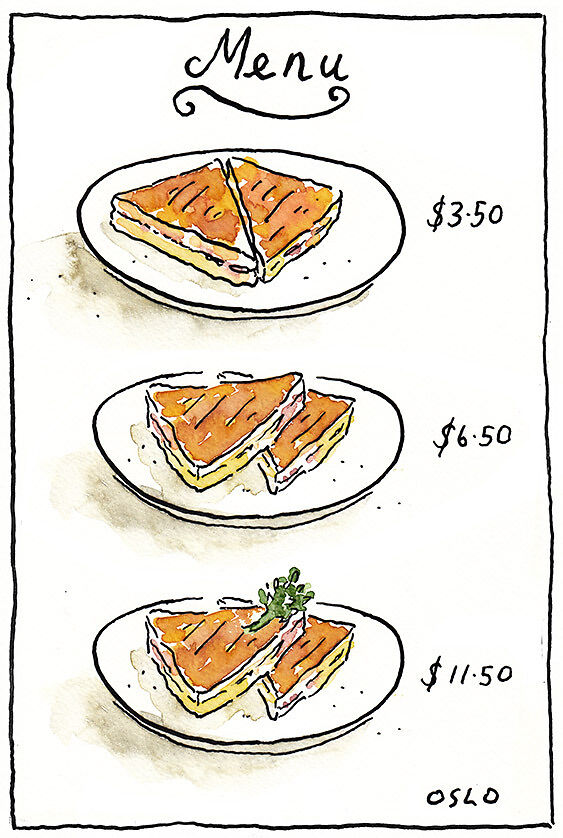
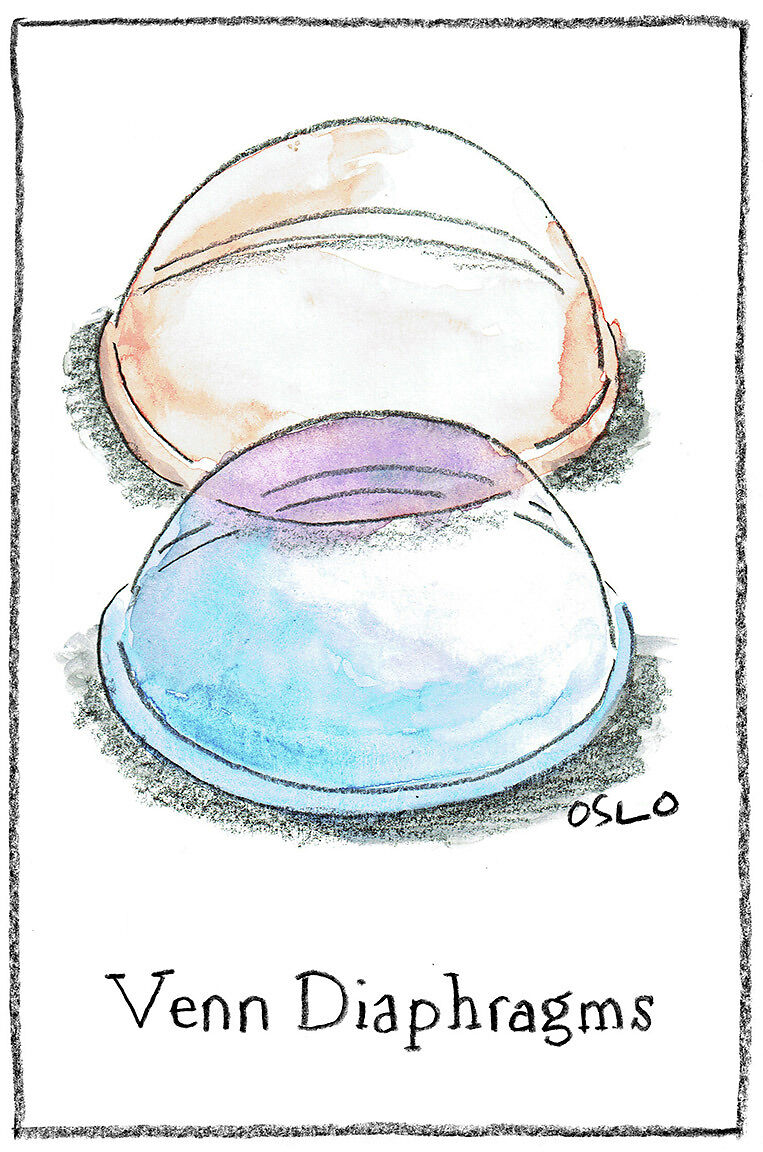


Your drawings can suggest entire worlds with just a handful of marks, which is an extraordinary talent – how do you go about working within that economy of storytelling – what to include and what to leave unsaid?
This is tricky and takes ages to work out. Being a student of cartooning—buying books, seeking out cartoonists you like, going over old issues of the New Yorker, etc—helps in learning the language. There are certain tropes and clues you can offer a viewer to help them ‘get’ a scene or a situation. Sometimes it might just be a chef’s hat or a brontosaurus for example that instantly puts the viewer in the scene. It’s about offering the viewer an easy way into the joke. The brontosaurus needs to be identifiable as a brontosaurus, and not mistaken as a snake with legs, for example, in less than a millisecond. This pace allows the viewer to quickly move on to the joke part of the cartoon. Developing this shorthand takes practice. It also requires developing a thin skin; you don’t want to get your knickers in a knot every time your best friend looks at your work and says he can’t work out what the hell is going on.
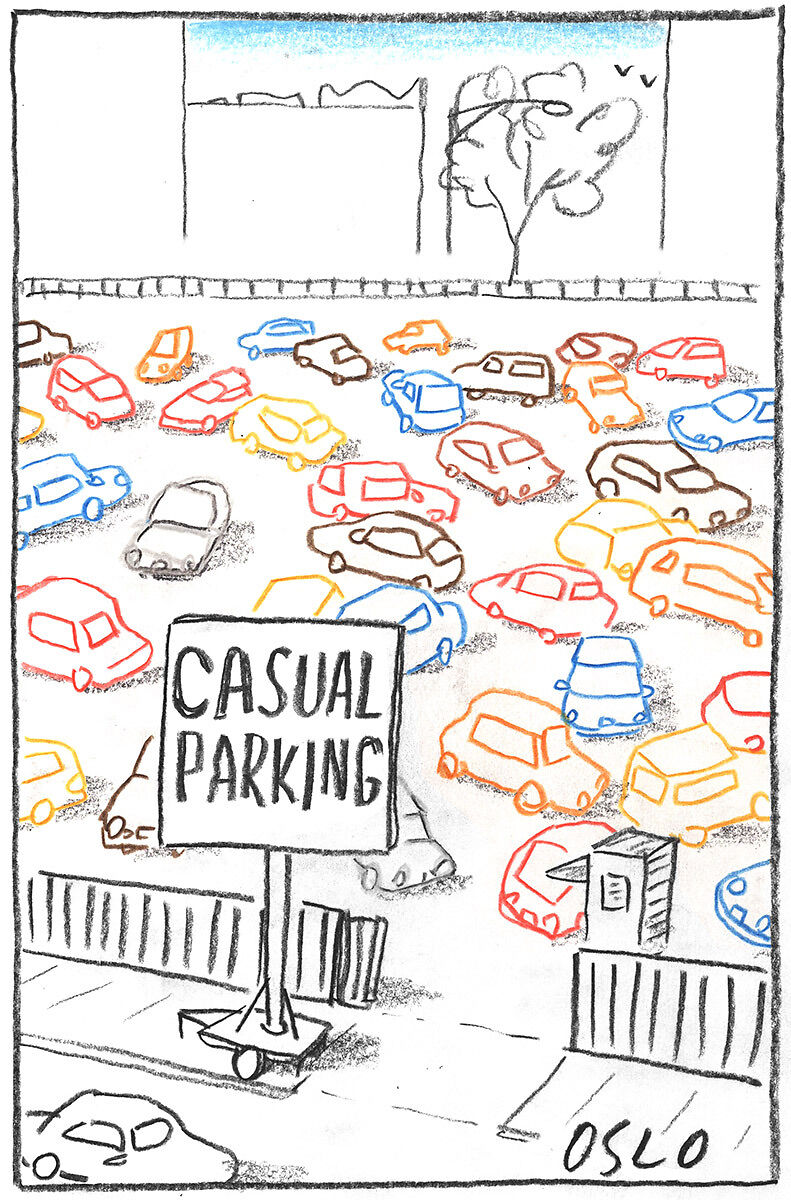
Cartoonists are often assumed to be natural comedians – do you find people expect you to be funny in real life? Is there any pressure to perform?
I will expect people to be disappointed with me because they might assume I will be funny in real life, and I’m often not. But I don’t feel pressure—that’s other people’s problem for getting me wrong. On the flip side, being a cartoonist comedian could make me seem funnier than I am, which means I can get away with saying terrible jokes and people will think I’m hilarious. At the end of the day who knows anything; we’re all just making this up as we go along, amirite?
As a seasoned observer - are there any artists, writers or unexpected sources of inspiration around Melbourne that are currently shaping the way you think at the moment?
At the moment? Not off the top of my head. But if I want to find inspiration, I am moderately confident I can, I just need to turn my mind to it. I’m currently doing a PhD but I haven’t yet committed to making jokes about it, for example. But if and when the time comes, and I’m in the mood, I reckon I could come up with something. Universities seem like they’d be fertile places for satire, although I’m not sure if the wider public cares about university life, so I probably won’t bother.
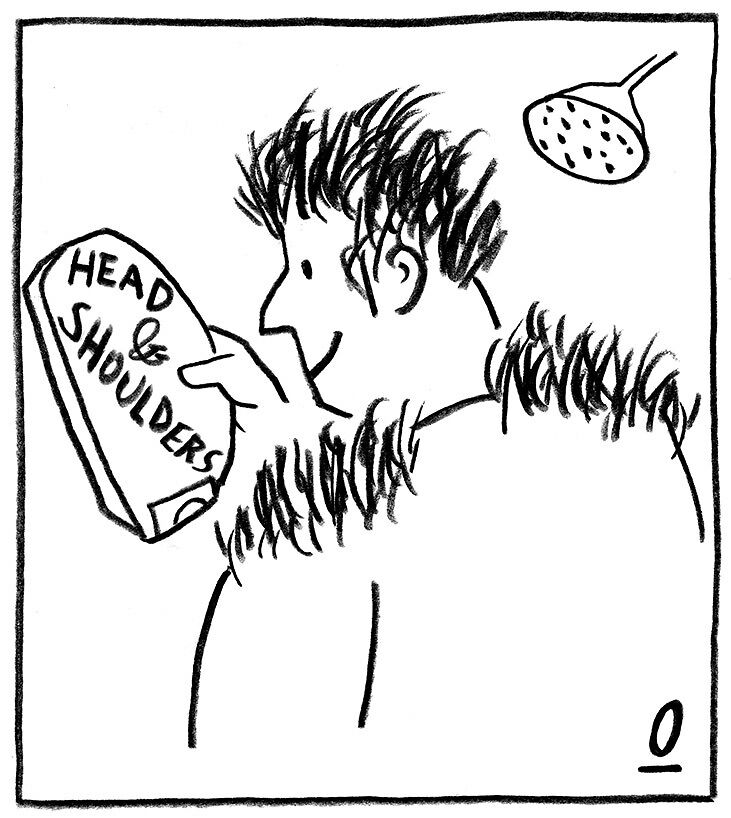
Looking forward, how do you see your practise unfolding in the coming years? Do you feel your work is still searching for new challenges and directions, or are you in a place of consolidation and refinement?
Always searching, can’t sit still. I get bored easily (I could never spend three years on a graphic novel, for example) so I’m always sniffing out new, different things. I’m currently playing around with filming myself draw and seeing if there’s anything funny in the drawing/performing space. Who knows. I might get sick of this drawing caper in a few years and chuck it all in to go work in a Guzman y Gomez in Geelong. ¯\_(ツ)_/¯
Follow Oslo's ongoing adventures in ink at @oslodavis on Instagram, or drop by his website to explore previous work, archival pigment prints, and his book, Oslo's Melbourne.
All images used with permission and copyright Oslo Davis 2025.