Featured Artist: Miles Standish
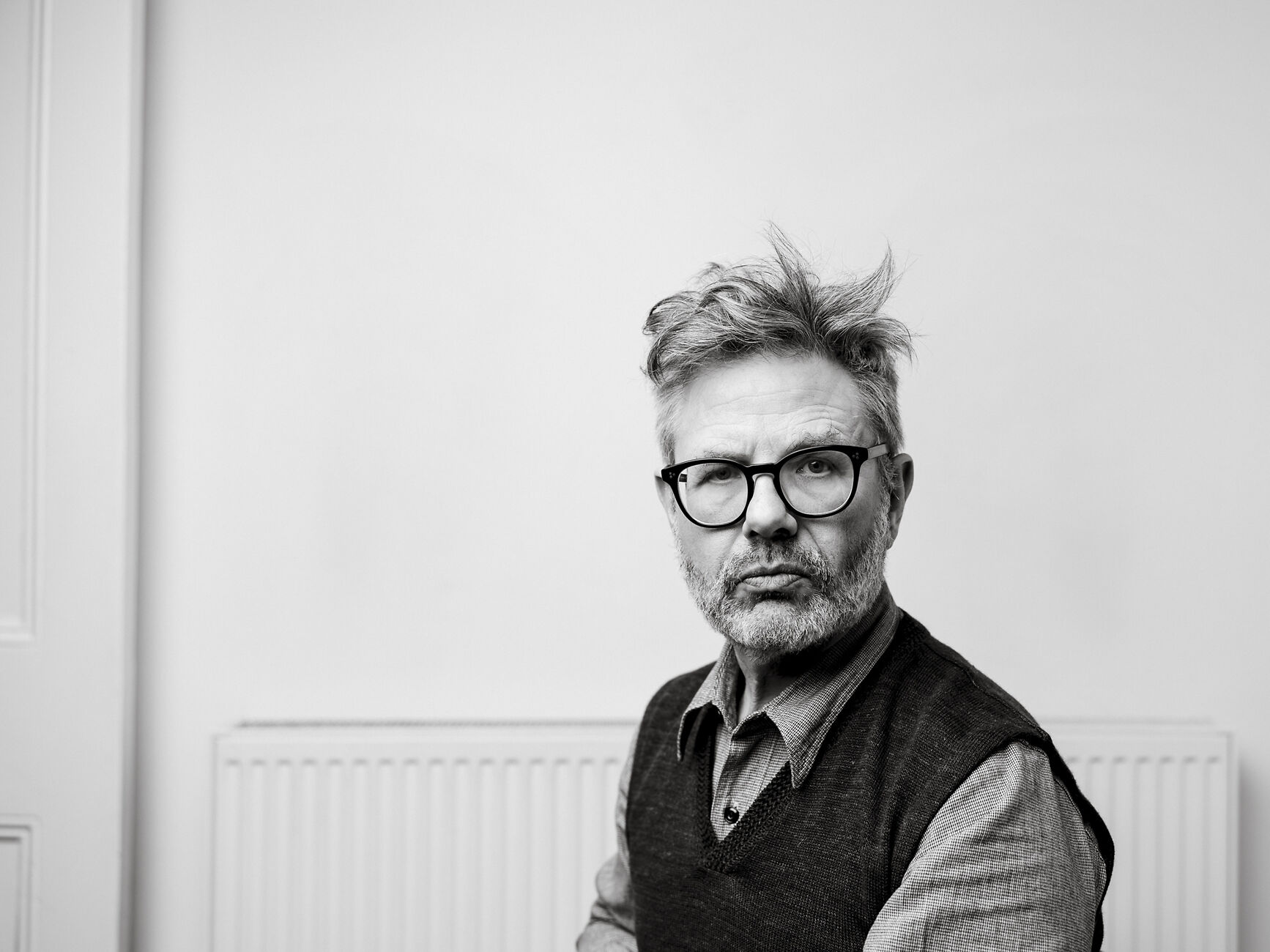
Miles Standish is a Melbourne-based portrait photographer who has been practising his art for over 30 years - from his first childhood experimentations with a Kodak Instamatic, to the triumphant culmination of his life-long practise in his recent exhibition, Where the Perfect are Lonely. Mile's portraits are deeply rooted in emotional nuance, visual storytelling and the exploration of human connection, often evoking more with what's withheld, rather than what's overtly revealed.
Miles’s work has featured as a finalist in the prestigious National Photographic Portrait Prize and Head On Portrait Prize, and as a semi-finalist in the Moran Photographic Prize. His images have been published widely and are held in numerous private collections.
In this conversation, Mile's reflects on the evolution of his practise and his commitment to creating space for authenticity - whether photographing loved ones or strangers. We also delve into the philosophy and process behind his recent exhibition, his tools of the trade, and what's next in his ever-evolving creative journey.
Hi Miles, thanks for chatting with us today. Could you share with us a brief overview of your photographic practice and background? Where did your fascination with photography begin?
I started taking photographs in 1971, when I was 8. I was born in Australia, but my early childhood was in England. My parents gave me a camera (a Kodak Instamatic) just before we left to return to Australia, so I could record memories of England and our trip home to Australia, via Nepal and India. A couple of years later, an uncle gave me a box of old cameras and darkroom equipment, and I started developing B&W film in my bedroom, with a blanket pinned over the window.
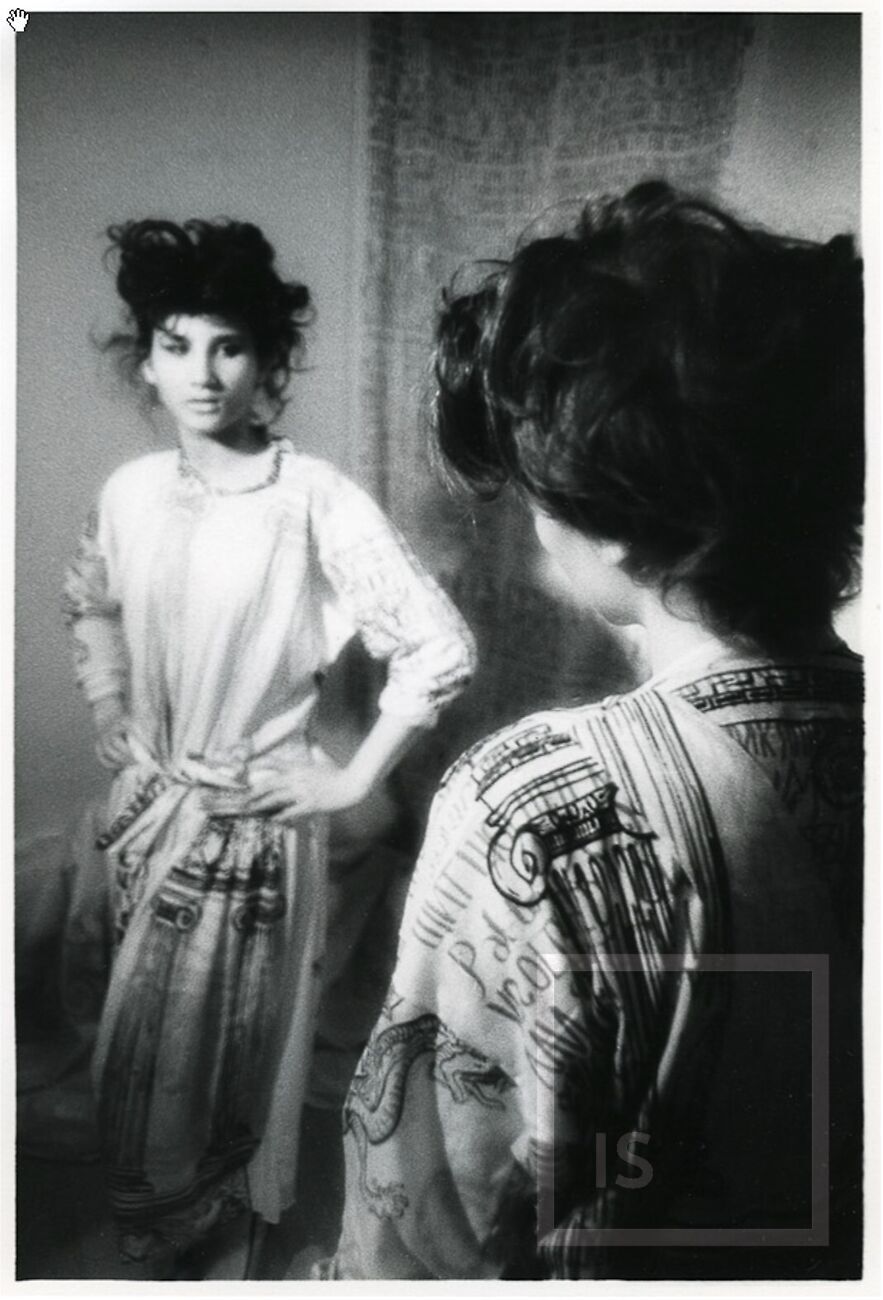
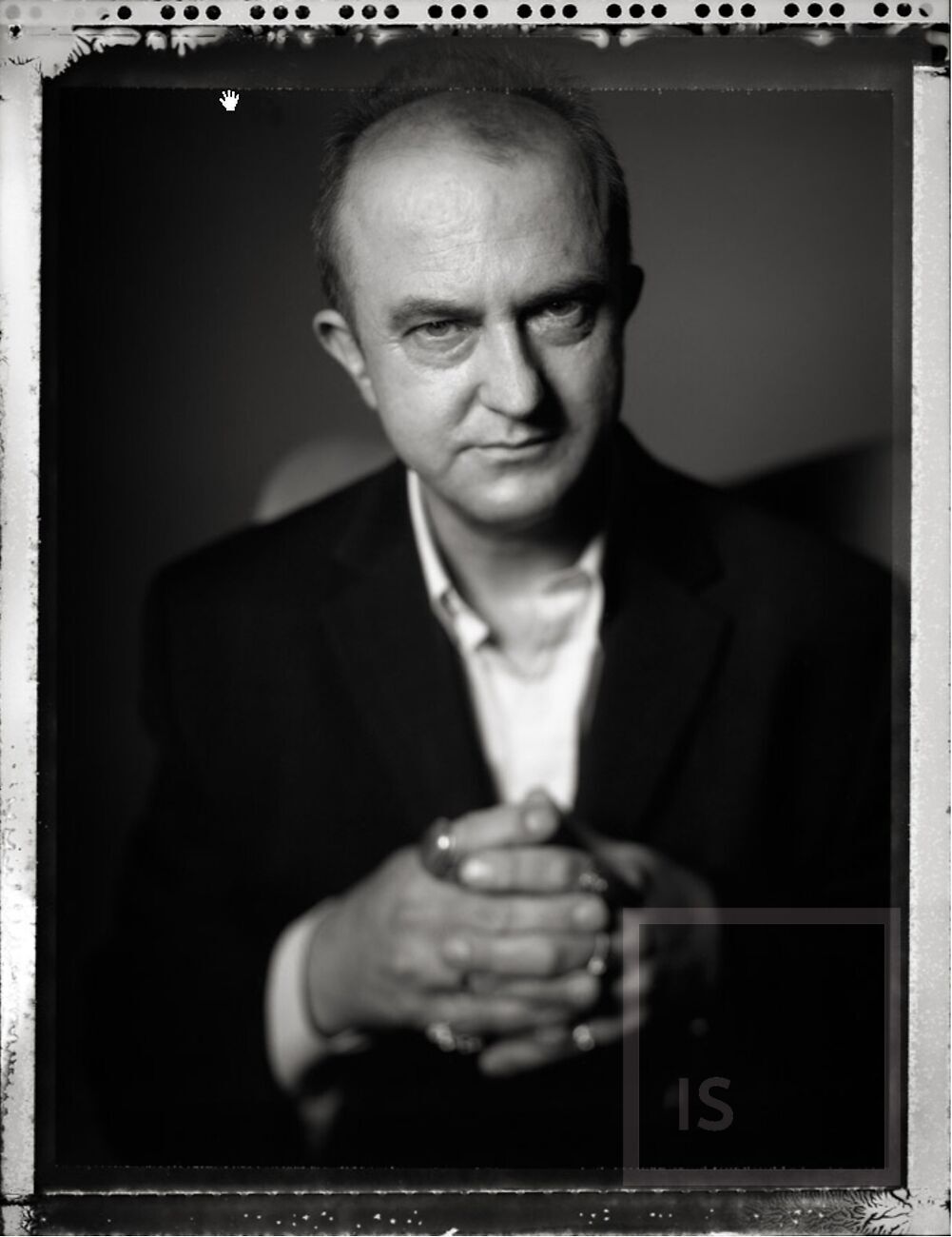
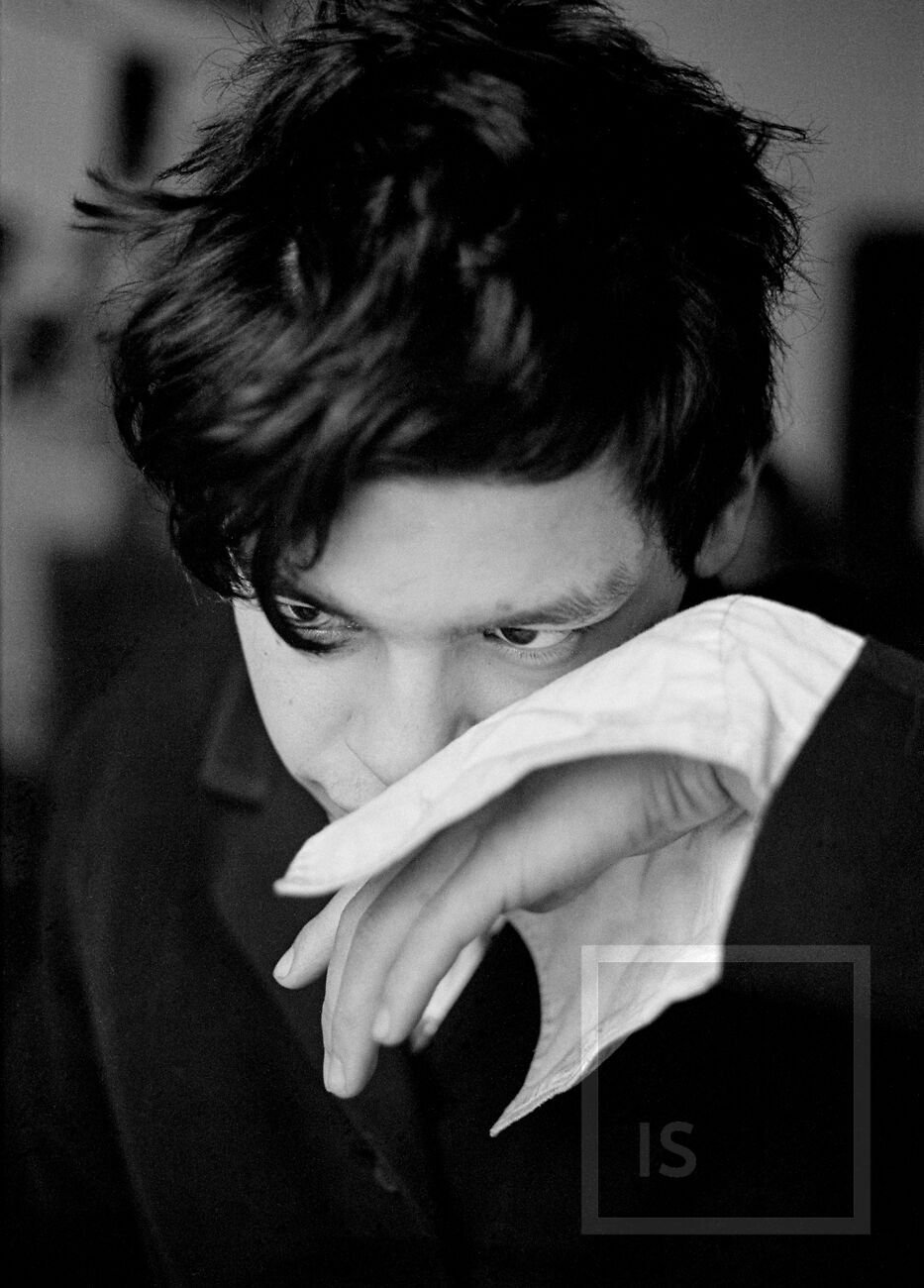


In my early teens I bought a second-hand SLR with money saved from my job delivering newspapers. It was Canon TLb, the most basic Canon SLR you could buy, with a 50mm f.2.8 lens. I loved it. For a while I thought I would become a photojournalist, and I did a couple of weeks’ work experience at The Age newspaper’s photography department while at school. Photojournalism didn’t happen, but I have consistently practised photography as my primary creative pursuit ever since.
At what point did you know that portraiture was your true calling? Was there a particular artist, exhibition or image which set you down this path?
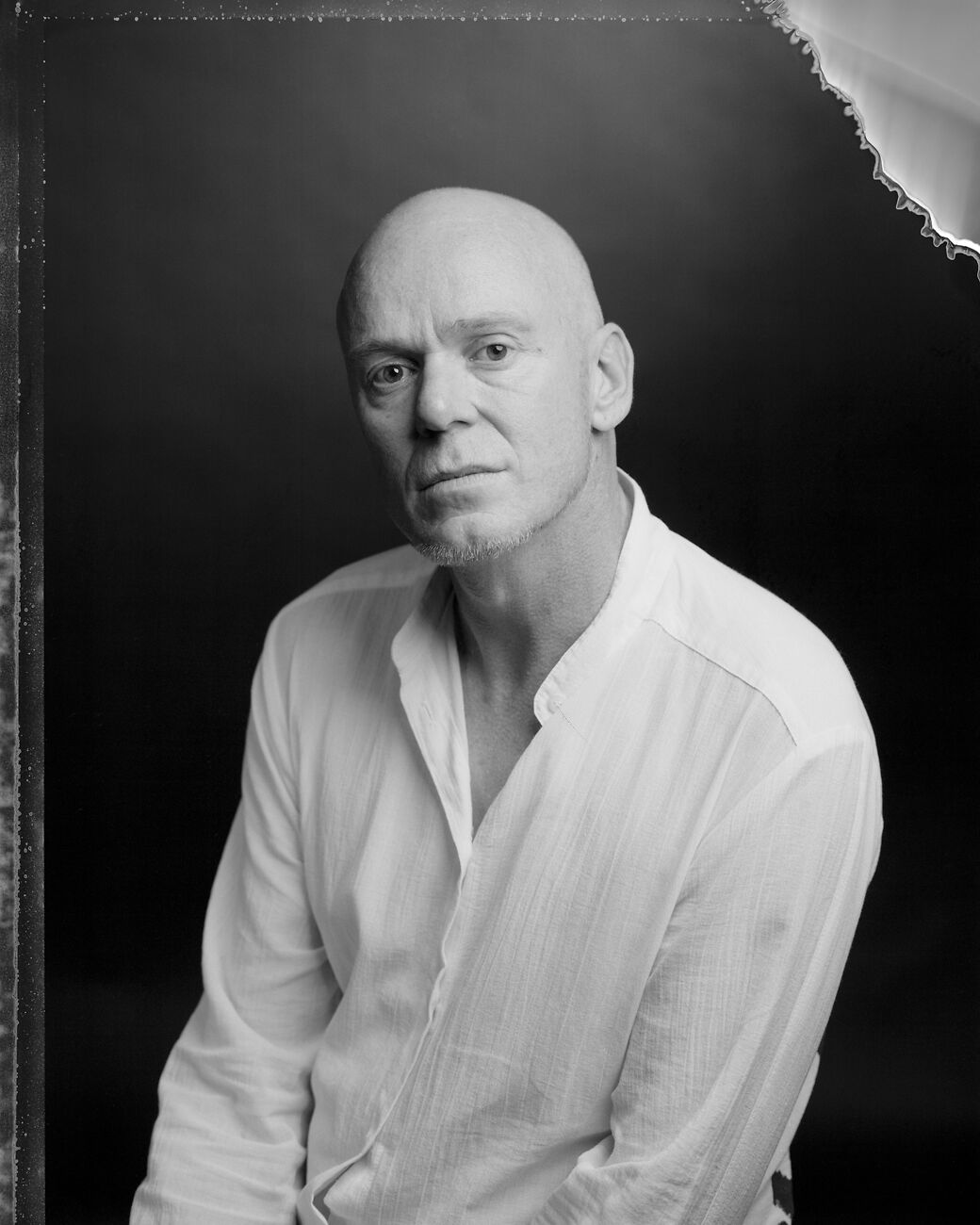
It was early on that I realised that photographing people was the photography that I found the most rewarding. I didn’t necessarily identify this as “portraiture” though. Most of my adolescent photography was candid, “street” photography, or photojournalism. While I was at high school, Diane Arbus’s famous Aperture book had a huge impact and I began to think more deliberately of making portraits. Later I was very inspired by the work of Richard Avedon and Irving Penn - both their classical formal portraits, but also their fashion photography. Irving Penn’s first monograph, Moments Preserved, was (and still is) my photography bible! In the early 1980s, the fashion and portrait photography in magazines like The Face was very influential, as was the work of contemporary Melbourne photographers like Peter Milne and Polly Borland, both early photographic heroes of mine. By 1983, the folio which got me into Prahran College art school was entirely portraits and that has pretty much been my practice ever since.
We’d love to chat to you about your fantastic recent exhibition, Where the Perfect Are Lonely. Could you expand on the core premise of Where the Perfect Are Lonely, and how it came to fruition?
Where The Perfect Are Lonely was a retrospective exhibition, including work from the 1970s to 2025. I wanted it to be a cohesive body of work and not just a chronological story. I wanted a group of portraits that evoked a harmonic emotional resonance, inviting a contemplative response from viewers. The title is borrowed from a song by an old friend of mine, Simon Bonney, who is best known for his ongoing band/musical project, Crime & The City Solution. The song (Forever, from Simon’s 1992 solo album of the same name) includes the lines: I want to live/Where ideals are ideas only/Where perfection, and the perfect, are lonely. I love the way these lyrics honour the beauty in our flaws and, for me, this resonates strongly with the way in which (I hope) my portraits affect viewers.
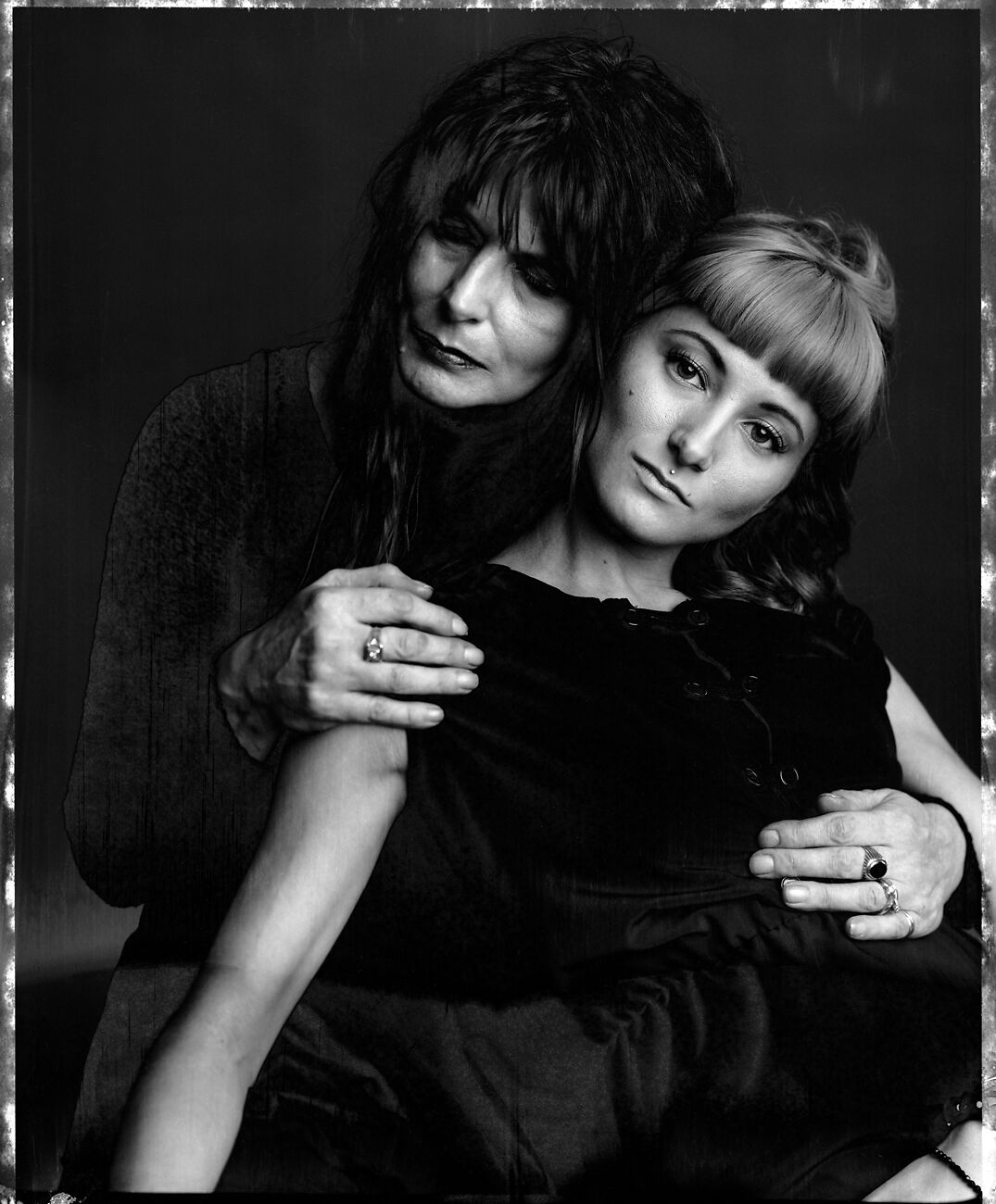
I recently learned of a lovely Japanese concept - mono no aware - which is apparently untranslatable but more or less means “beauty tinged with gentle sadness at the transience of life”. I think my portraits have consistently operated in this emotional register and the exhibition was a lovely opportunity to curate a body of work to showcase this. I had been thinking in vague terms about doing something like this for years, but a few months ago Katy Beale (the director of One Star Gallery in West Melbourne) asked me if I would like to show in her gallery and it forced me to bring it all together very quickly!
Where the Perfect Are Lonely showcased an incredible retrospective of your work, offering a rare, encapsulated opportunity to witness your evolution as a photographer. How do you feel your approach to portraiture has changed over the years – either technically, emotionally or conceptually?
In many ways, I think my portrait work has been quite consistent - aesthetically and emotionally - over the decades. I’m a bit embarrassed that there has not been more experimentation and evolution! I think I’ve always had a certain confidence with composition and light, even as a teenage photographer, but some of the technical stuff has always bored me. Over the years I’ve become more technically adept, though I still often make some basic mistakes. There was a couple of years in the mid-1980s where I had a bit of ego-swagger and I engaged with my subjects in a more assertive way that I feel quite uncomfortable about now. I am a much kinder and gentler photographer now than I was in my early 20s and I can see that in my images.
Your images often feel like they hint at something just beyond the frame – like a story, a history, or a memory. How much does storytelling shape your approach, and does a narrative emerge naturally through your subject, or is it something you plan and sense beforehand?
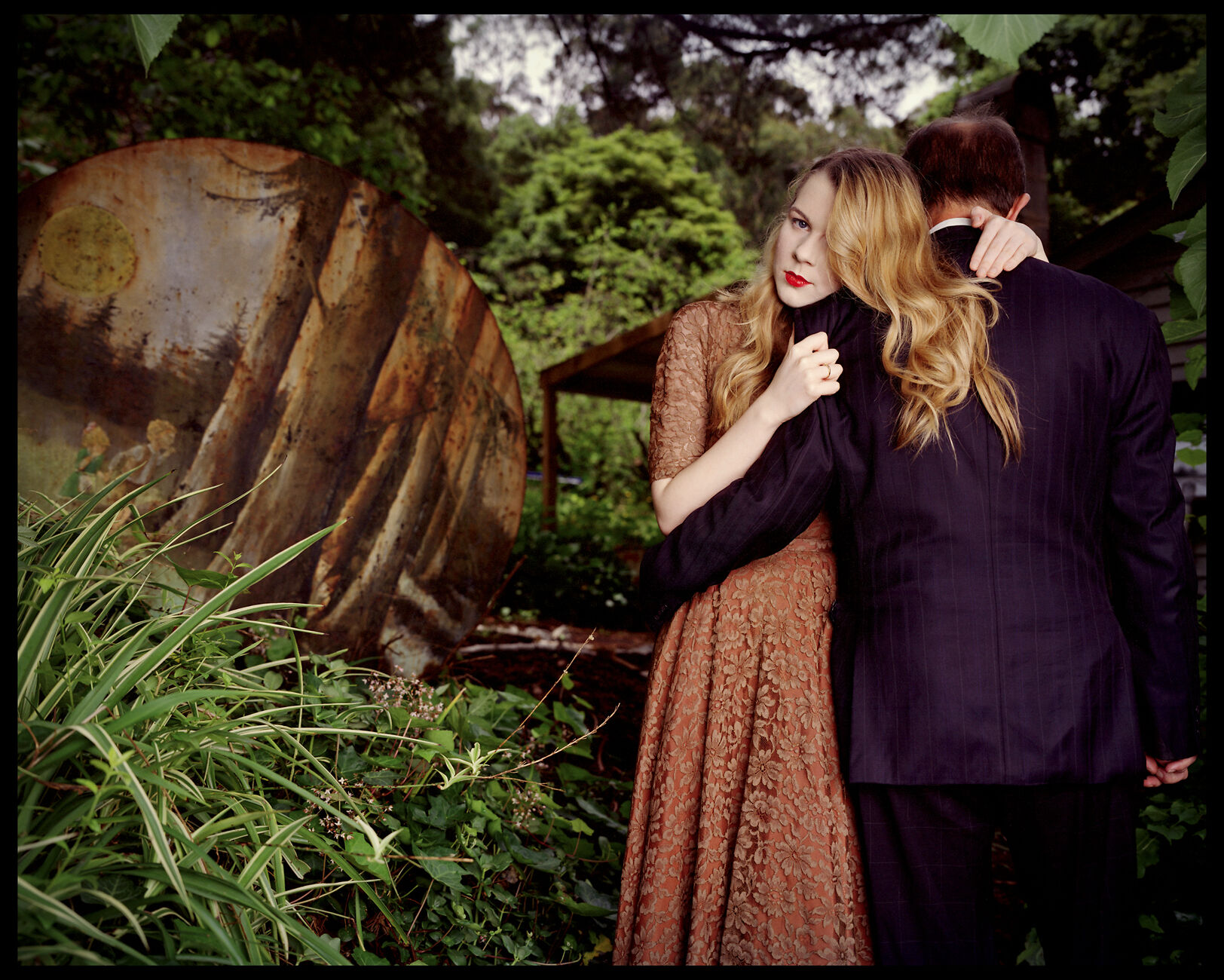
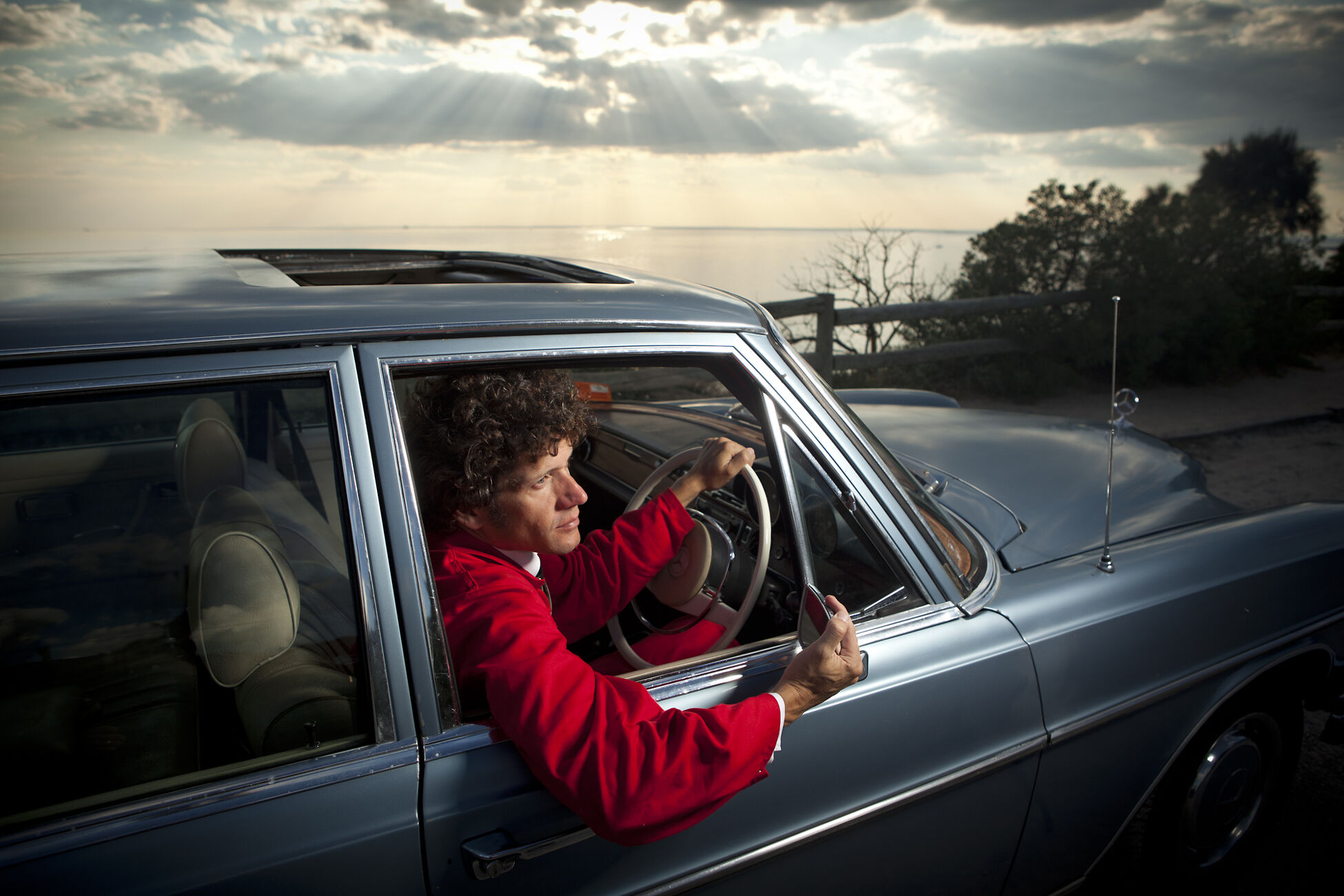
For me, ambiguity is a very important element of a genuinely interesting portrait. I want to make portraits with space in which the viewer can create a story, and not just be told a story. Most portrait photography which gets any cultural airtime is commissioned celebrity portraiture. I find most of this to be fundamentally tedious, even when it is technically spectacular or visually clever, because the narrative is completely determined for me. Between the famous subject and the famous photographer, there is no space left for me as the viewer to bring anything to it. So, for me, the “hint beyond the frame” is very important and is an invitation to the viewer to create their own story. Sometimes I have my own story in mind before I make the picture, other times the possibility of various narratives emerges through the subject, or even as something randomly occurs during the making of the image - the sun producing “god rays” at just the right moment, for example - but I always want the image to contain space for interpretation.
Is there a difference between photographing someone you know well and someone you’ve just met? How does each dynamic influence the final image?
Most of the portraits in Where The Perfect Are Lonely are of my friends and family. I like working with people that I know well, although I think it does make the stakes a little higher. Maybe that’s why I like it. When I work with someone I’ve just met, there is a process of establishing trust and creating the conditions for the vulnerability that informs my best portrait work. I have very rarely worked with professional models and really have no interest in doing so. I like the tension of working with people who are a bit wary of the camera.
When working with a subject, what steps do you take to create a space so that their true self can come forward? Are there any techniques that you return to when trying to capture something genuine or unguarded in a person?
I like to spend time talking with the subject to begin with. While a bit of tension on both sides of the camera is normal and healthy, too much can be a problem (unless I want to make that tension a feature of the image). The approach might vary a bit depending on the context. If someone is paying me to make a portrait - a professional profile image, or a portrait for the back cover of their novel, for example - I will be interested to find out how they perceive themselves and how they want to present themselves. I very rarely work with an assistant, so there might be a bit of faffing around while I get things set up, which can be a good icebreaking opportunity. I usually take quite a few test shots while I’m setting up - testing lighting ideas etc. These can also be a good opportunity to help someone relax. They can get their grimaces and flinches out of the way! Occasionally a test shot will be my favourite image from a session. This always feels like a delightful accident that I can’t really take credit for.
Your portraits showcase your masterful command of light and shadow –what’s your starting point when lighting a subject – is it based on mood, subject, environment, or something else entirely?
I’ve always felt confident with lighting my images, whether that is with the sun (direct or diffused), other ambient lights or various lighting equipment, but I’ve generally preferred quite simple lighting setups. I respond strongly to chiaroscuro lighting, and I think you can learn everything you need to know about simple portrait lighting from looking at painters like Caravaggio, Rembrandt, Velázquez and Vermeer. That moody lighting style tends to be my default approach, nevertheless it’s not appropriate for every image and I will vary and adapt as the image requires.
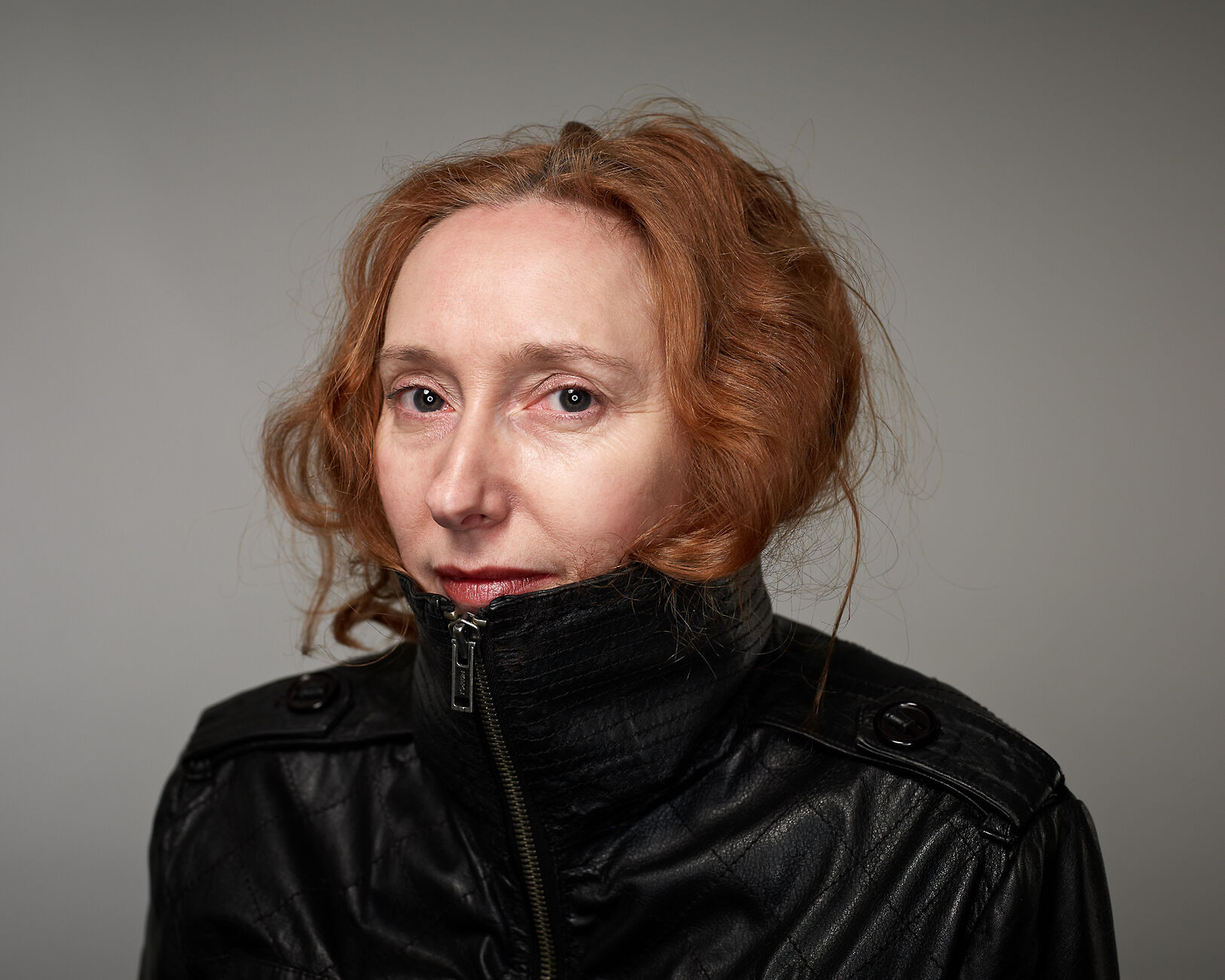
When curating an exhibition like Where the Perfect are Lonely, how does the physicality of the printed piece – the scale, paper choice, presentation – influence the way you want your portraits to be experienced?
With this exhibition, I had a lot of images I wanted to present, and a small gallery space to work with. This required me to keep print sizes relatively small (the majority of the 41 images were printed on A3+ sheets). I also had to think carefully about “the hang”. I didn’t want a random “salon hang”, but there wasn’t the room to do a straight linear hang, so we found groupings of images that worked well together and hung them in a combination of grids and linear arrangements. I think it worked really well.
It added a fair bit of cost to the project, but I was very committed to framing the work. I have a real hangup about pinned-up images (no judgement - I realise that this is my problem, and not anyone else’s!). The size limitations meant it wasn’t feasible to do traditional matted framing or to use substantial mouldings. I worked with Omnus Framing in Fitzroy to come up with a shallow box frame with a fine black timber moulding. Most of the images were framed with a 7mm white border (the white border of the print, not a matte), with a matching 7mm vertical white spacer. This is quite an unusual presentation – conventionally that border would be wider - but I was very happy with it. The largest images were framed “full bleed”, which worked very well for those images. I also invested in anti-reflective glazing, which is more expensive but makes a huge difference. Plain glass glazing is very reflective and with images with a lot of dark tones (like many of mine), the reflections can really interfere with a viewer’s experience of the photograph.
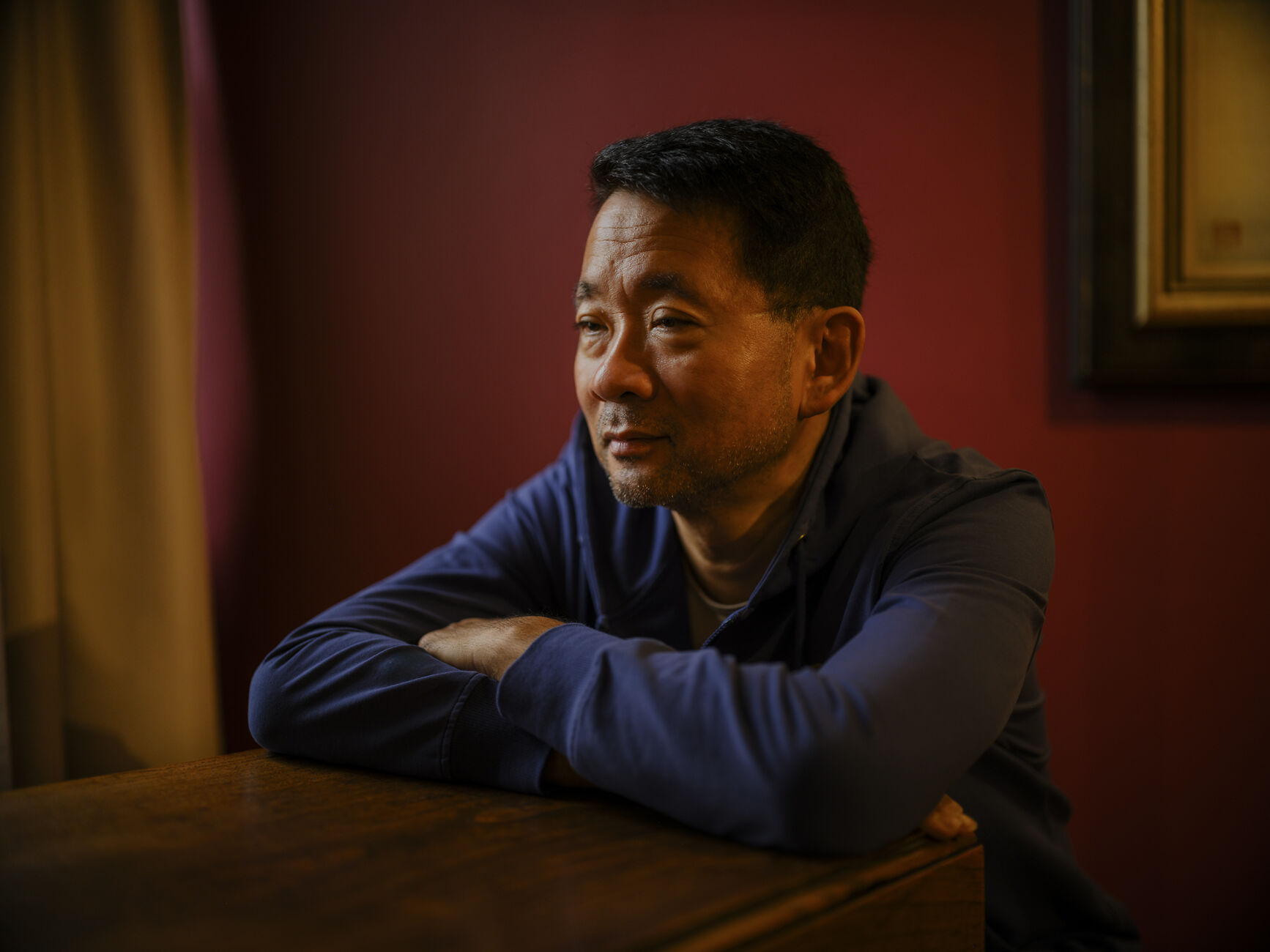
I also presented a secondary collection in the back rooms at One Star. This was a much more casual and more loosely curated collection (which I called Scrapbook) and these prints were unframed. I used a cool magnetic hanging system (Magnart) for securing these prints. The walls are painted brick, so pins wouldn’t have worked anyway, but as I said, I have issues….
I am very happy with archival pigment prints, but I wanted a paper that reminded me of the prints I used to make in the darkroom. I tested quite a few options and chose Ilford Galerie Gold Fibre Gloss. I was delighted with the results - the prints are beautiful (thank you Image Science!).
What kind of camera and equipment do you prefer to work with? Is there anything in particular that is essential to your set-up?
I don’t have a studio at the moment, so portability is important. I still have some film cameras, but generally my workflow is 100% digital these days. I’m currently using a Fujifilm GFX digital medium format system, with 50Sii and 100S bodies, and a range of lenses. The Fuji GF lenses are optically excellent. The auto focus is not the fastest, but perfectly fine for my type of work. The GFX bodies can also mount many vintage manual focus lenses with adapters. My favourite manual focus lens is a Zeiss Otus. Nailing focus on the Otus with a wide-open aperture can be hit or miss with my elderly eyesight, but when it hits it’s quite incredible.
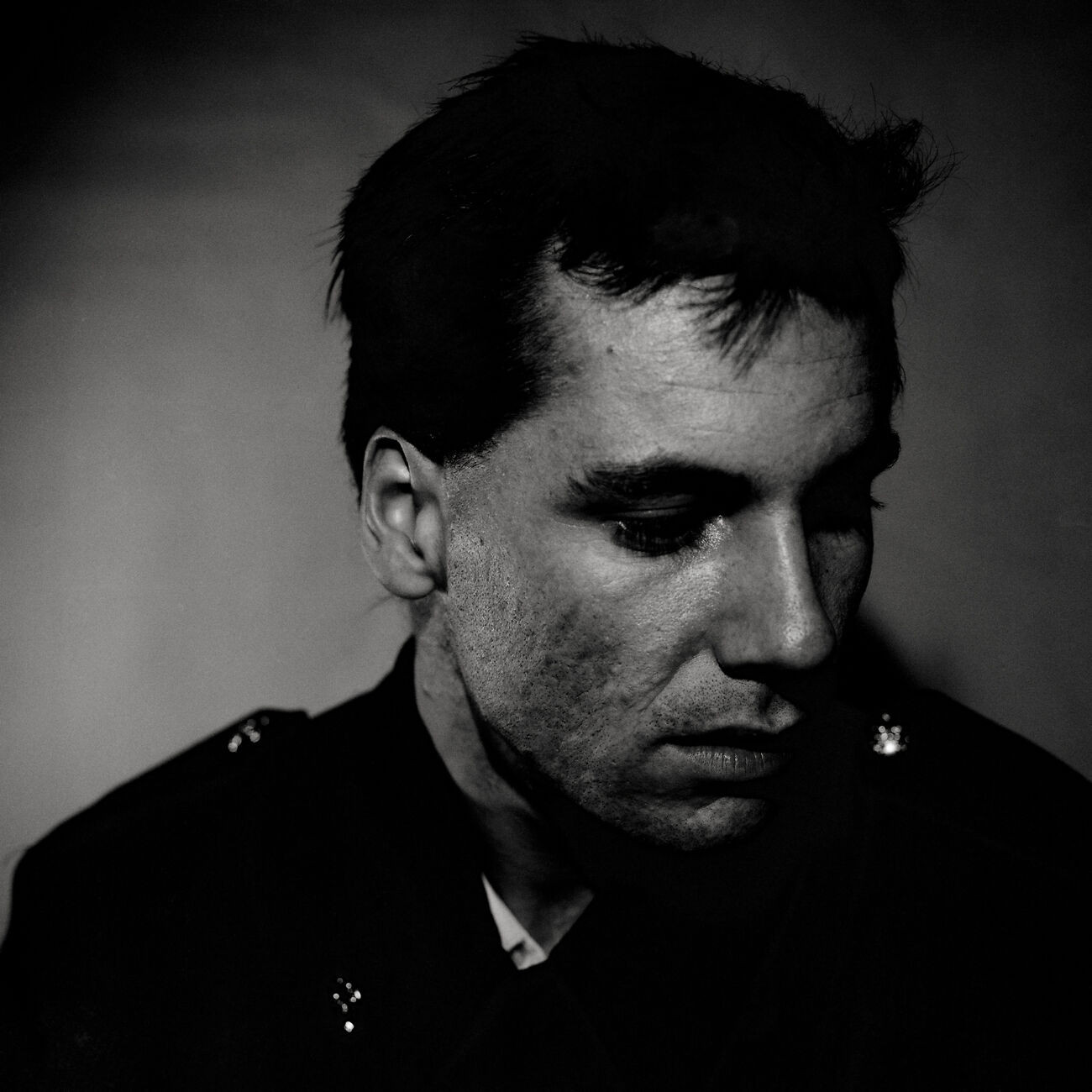
I generally use a pair of Elinchrom Three battery strobes with a wide range of modifiers. I also have a more powerful Elinchrom Five if I need the extra punch. Elinchrom is the sweet spot in terms of price/quality for me, although I do drool over Profoto and Broncolor gear. Studio lighting is not essential though. Often a window is all you need. Many of Irving Penn’s iconic portraits were made in a daylight studio, with soft light from highlight windows and clever use of V-flats and blacks to reflect and/or absorb light. Avedon’s iconic portraits in his “In the American West” book are all made in makeshift outdoor studios with diffused daylight.
Thanks for taking the time to speak with us today, Miles. What’s next on the cards for your photographic practise? Do you have any new ideas or projects you’d like to pursue in the near future?
Thank you so much for the opportunity and the great questions! I have two pieces in a group show of ex-Prahran College students as part of the Ballarat International Foto Biennale which opens in late August. One is an image from my recent show and the other is a portrait which was a 2012 finalist in both the National Photographic Portrait Prize and the Head On Portrait Prize. I also have a new project in mind that I hope to get started on soon, while I’m still enjoying the momentum and inspiration from my recent exhibition. The working title for this project is Domestic Landscapes. I will be photographing people in their homes and pulling the camera back a bit further than I’ve been accustomed to. There will be a greater element of narrative construction in this work, but hopefully still plenty of room for the viewer to create their own story. It will be quite different from the work I presented in Where The Perfect Are Lonely and I’m excited to get stuck into it!
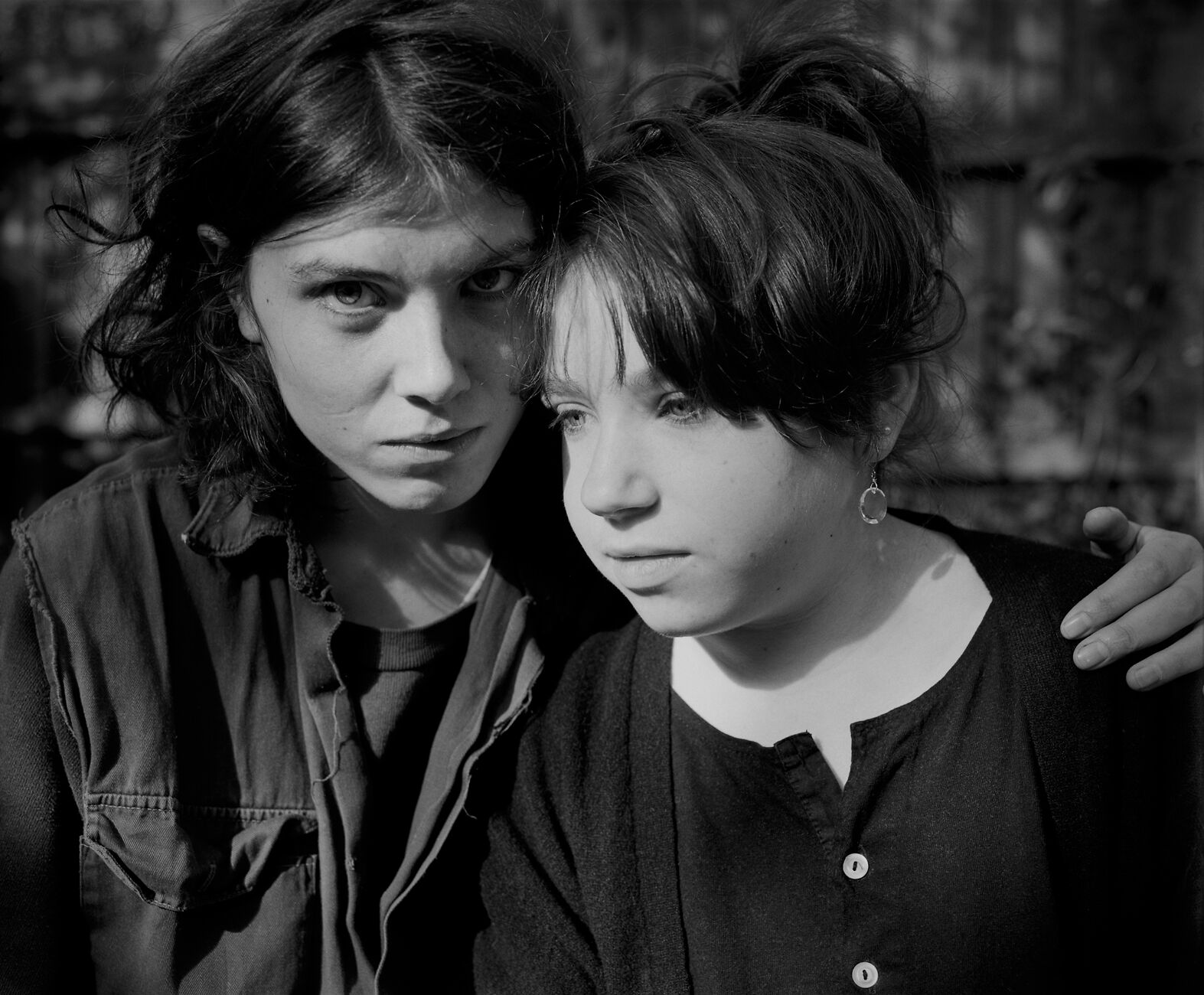
To keep up to date with artist news, follow Miles on Instagram at @mileshstandish, or visit his website here to contact Miles or to enquire about prints.