Featured Artist: Lilah Benetti
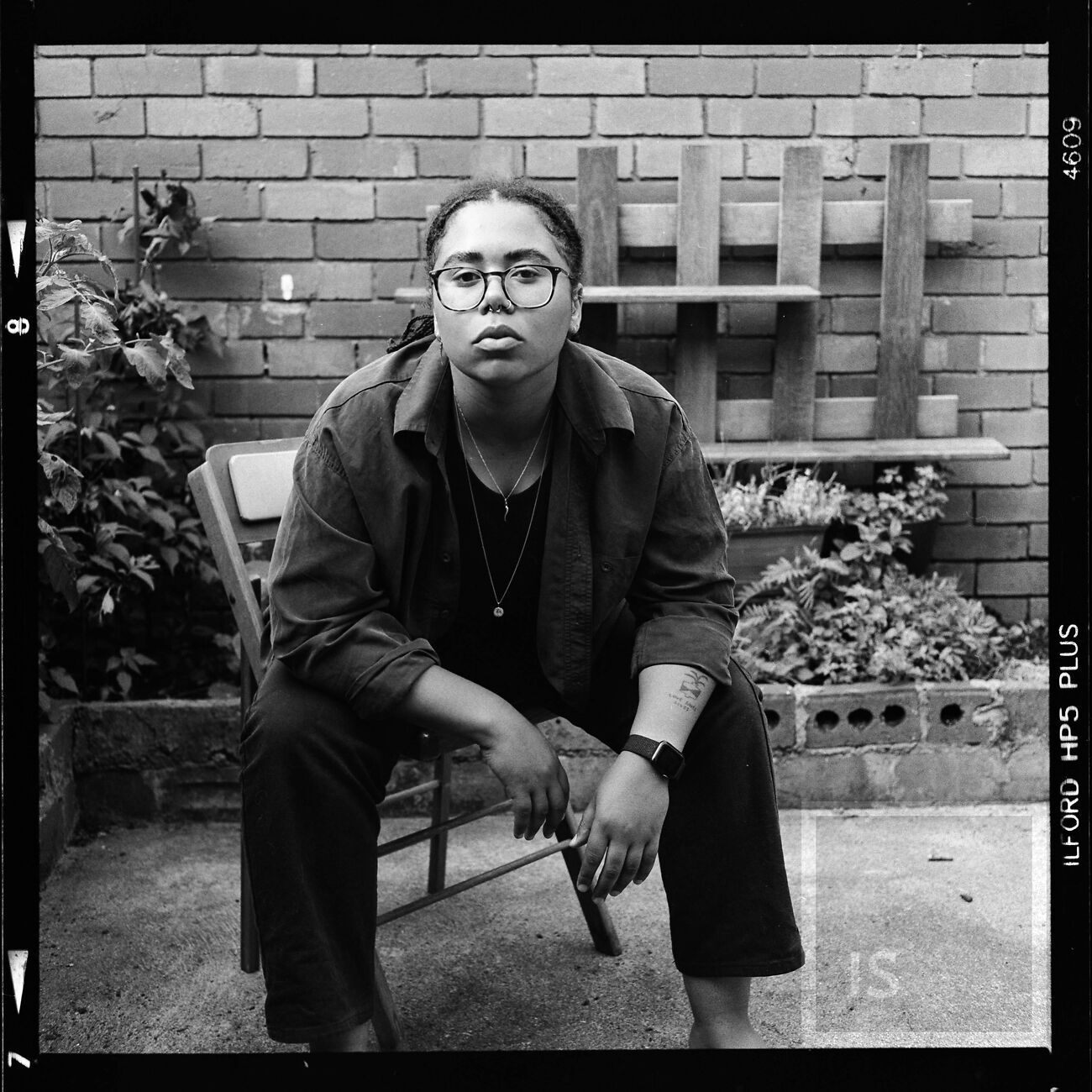
Please welcome Lilah Benetti, an internationally acclaimed artist and filmmaker based in Naarm (Melbourne).
Intertwining their personal experiences with broader social and cultural histories, Lilah employs an autoethnographic approach to their work - a method that combines autobiography and ethnography - to highlight and uplift Black Queer identities in a society where these narratives have been overwritten or lost.
Lilah's work examines the intersections of gender, sexuality, and racial politics through a contemporary lens, often blurring the boundaries of reality through the non-linear exploration of speculative futures.
Working across mediums such as film, photography, and large-scale installation, Lilah's works have been shown at prestigious venues such as Tate Britain and the Art Gallery of NSW, and has featured in publications that include VOGUE Italia, THE FACE UK, and Art Monthly Australasia.
In 2024, Lilah undertook residencies in Senegal, West Africa, and the U.K, marking a period of significant artistic evolution. Immersed in two vastly different cultural settings, Lilah engaged deeply with local histories, community knowledge and the landscape itself, bringing a period of transformative growth to their art practise.
Come with us as we chat with Lilah about residencies, storytelling, and the quiet moments that shape powerful, creative work.
Thanks for talking with us today Lilah! What first drew you to visual storytelling as a form of expression?
It’s interesting. I’ve always been drawn to the relationship between word and image. I think it started with a curiosity about how meaning gets made—how signs, symbols, gestures, even pop culture references can hold so much weight depending on where and how they show up. I’m fascinated by language, semiotics, and how we read images through both personal and cultural lenses. Visual storytelling felt like a way to hold all of that at once—something intuitive but also deeply layered.


2024 was certainly a busy year for you. We’d love to chat about your two residencies with Black Rock in Senegal, West Africa, and The Art House in the UK. Can you tell us a bit about these experiences, and how they broadened your art practice?
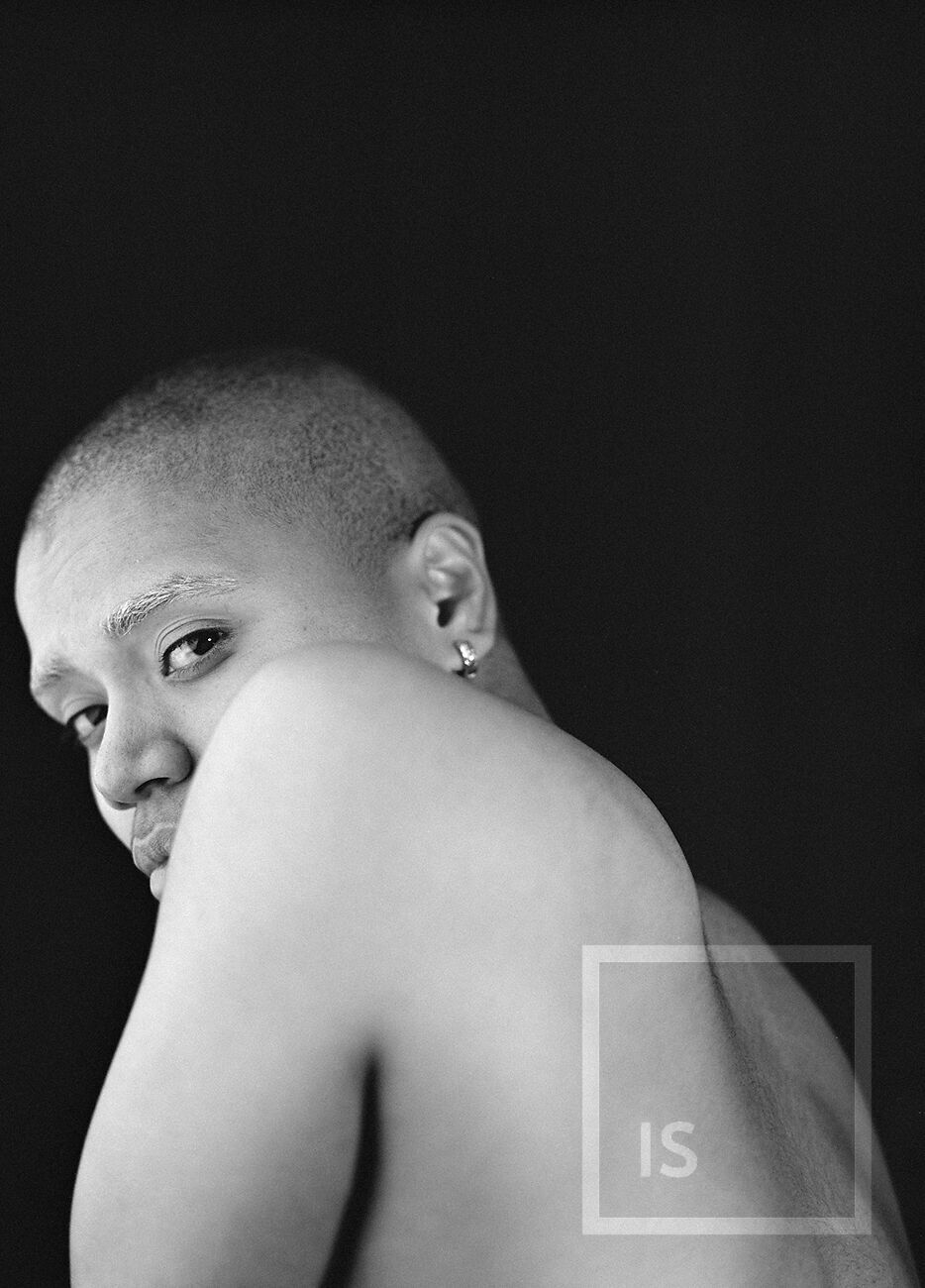
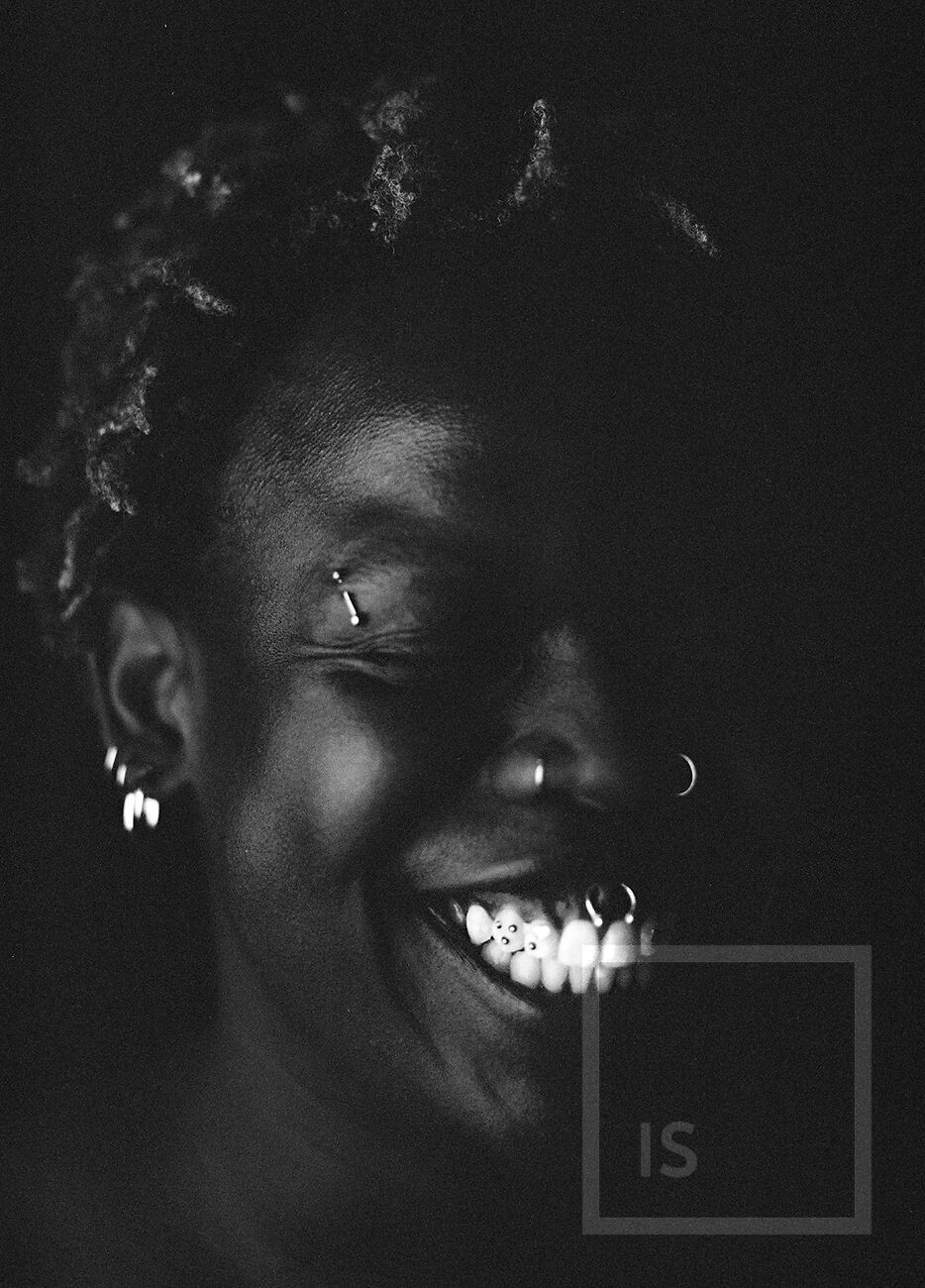
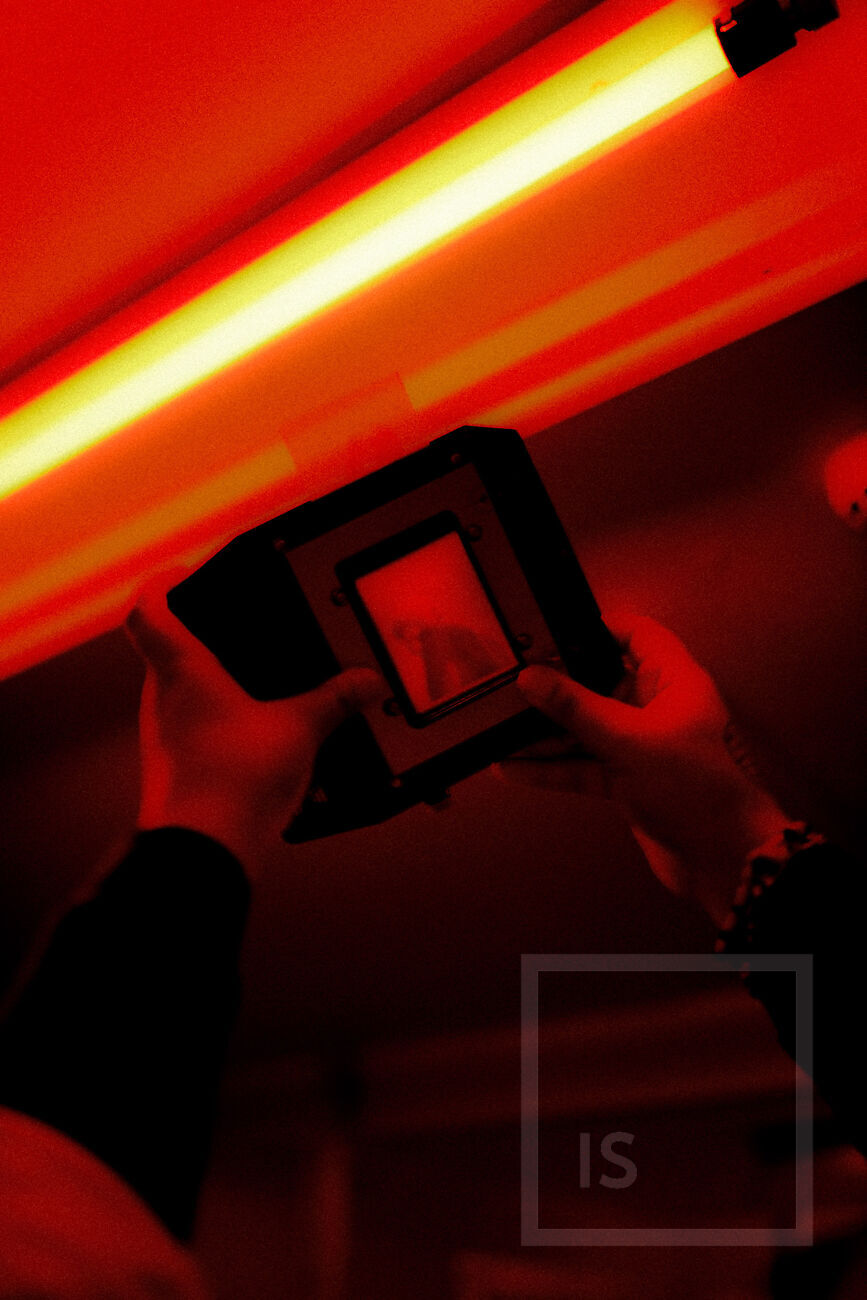
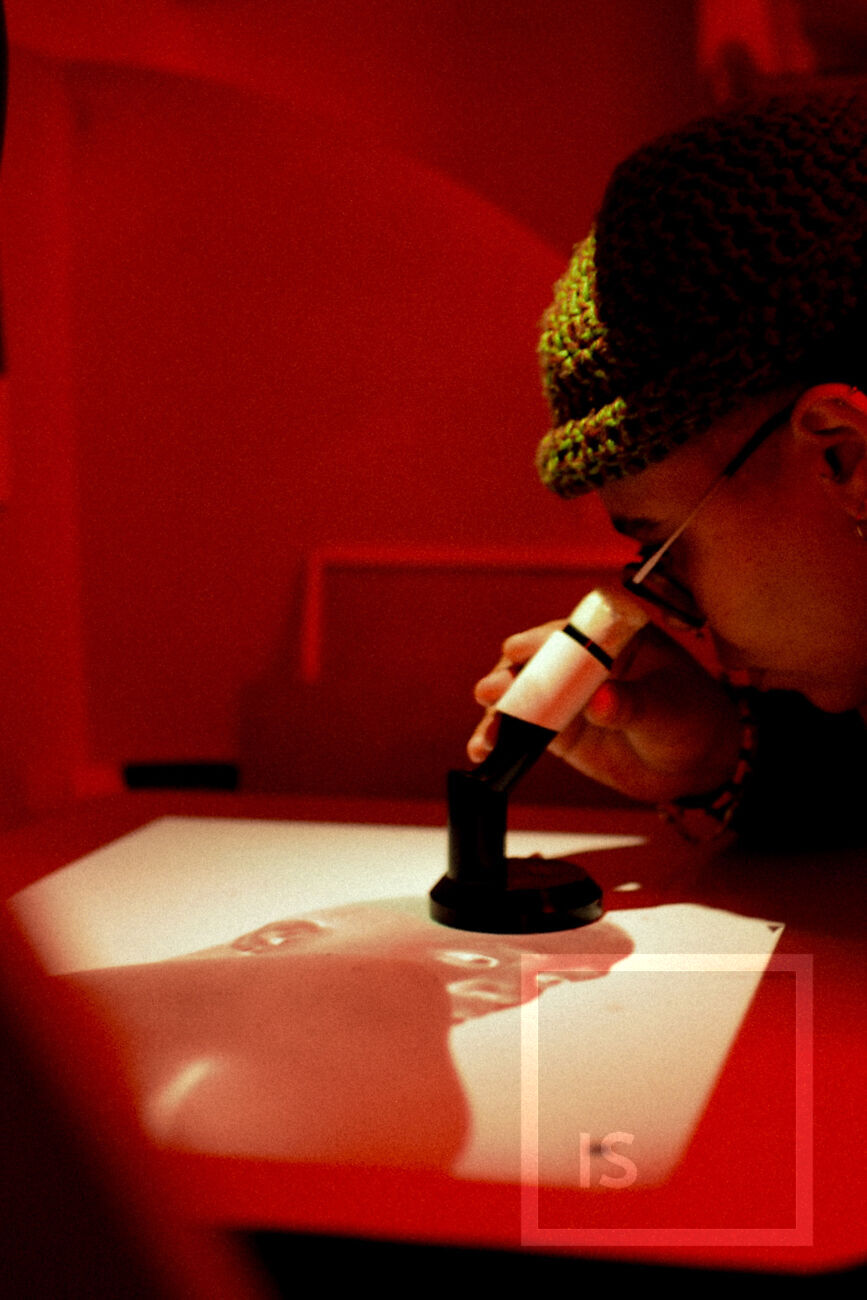
Both residencies were incredibly expansive in different ways. Black Rock offered this powerful meeting point between ancestral memory and contemporary global Black expression with artists from all over the world. Being in Dakar Senegal as my studio overlooked the Atlantic, brought a kind of historical and spiritual density I could feel in my body. The Art House, on the other hand, gave me space to reflect and edit—to slow down, gather the threads, and think deeply about where I’d just been. I spent some time at Frieze and 154 African Art Fair, and when I was there I was hiding out in the darkroom studio, developing processing or shooting. I think the contrast between the two sharpened my process. One gave me the heat and rhythm, the other deep focus and stillness .
Did the local community or landscape play a role in shaping your work during this time?
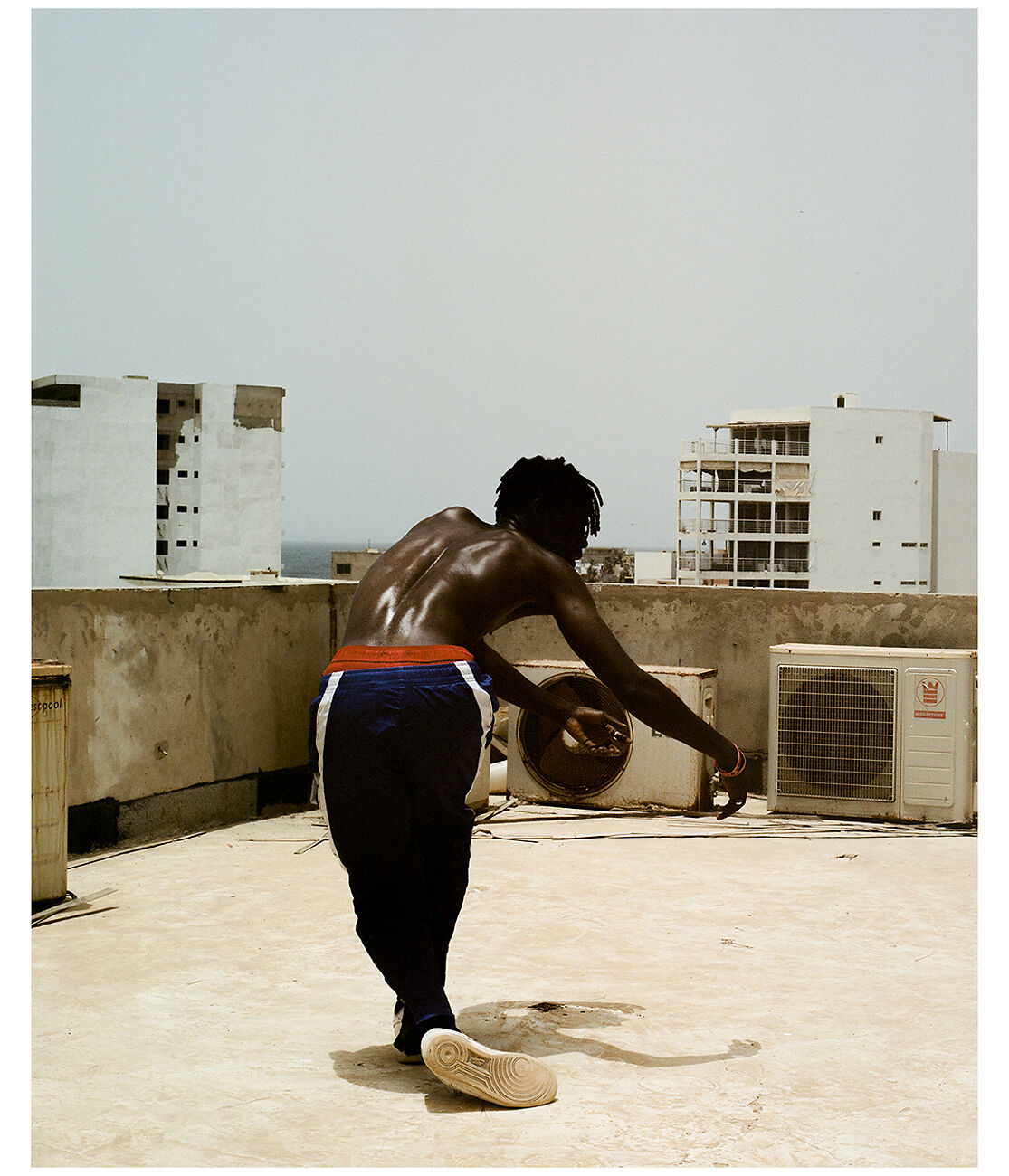
Absolutely. I’m not someone who drops in and extracts. For me, place is not just background—it’s an active collaborator. In Senegal, the textures of the landscape, the oral traditions, the light—everything pulsed with meaning. I was careful not to speak over it but to listen, to absorb. Similarly, in Wakefield, there’s a quiet intimacy to the place. Conversations with Northern locals and simply walking the streets of London and Wakefield gave me a different sense of time and presence. Both residencies reminded me that work doesn’t always come from me—it moves through me.
It must have been an incredible experience to immerse yourself in two such distinct cultural landscapes. Did you engage in any archival, cultural, or spiritual resources during each residency? If so, how did they inform your work?
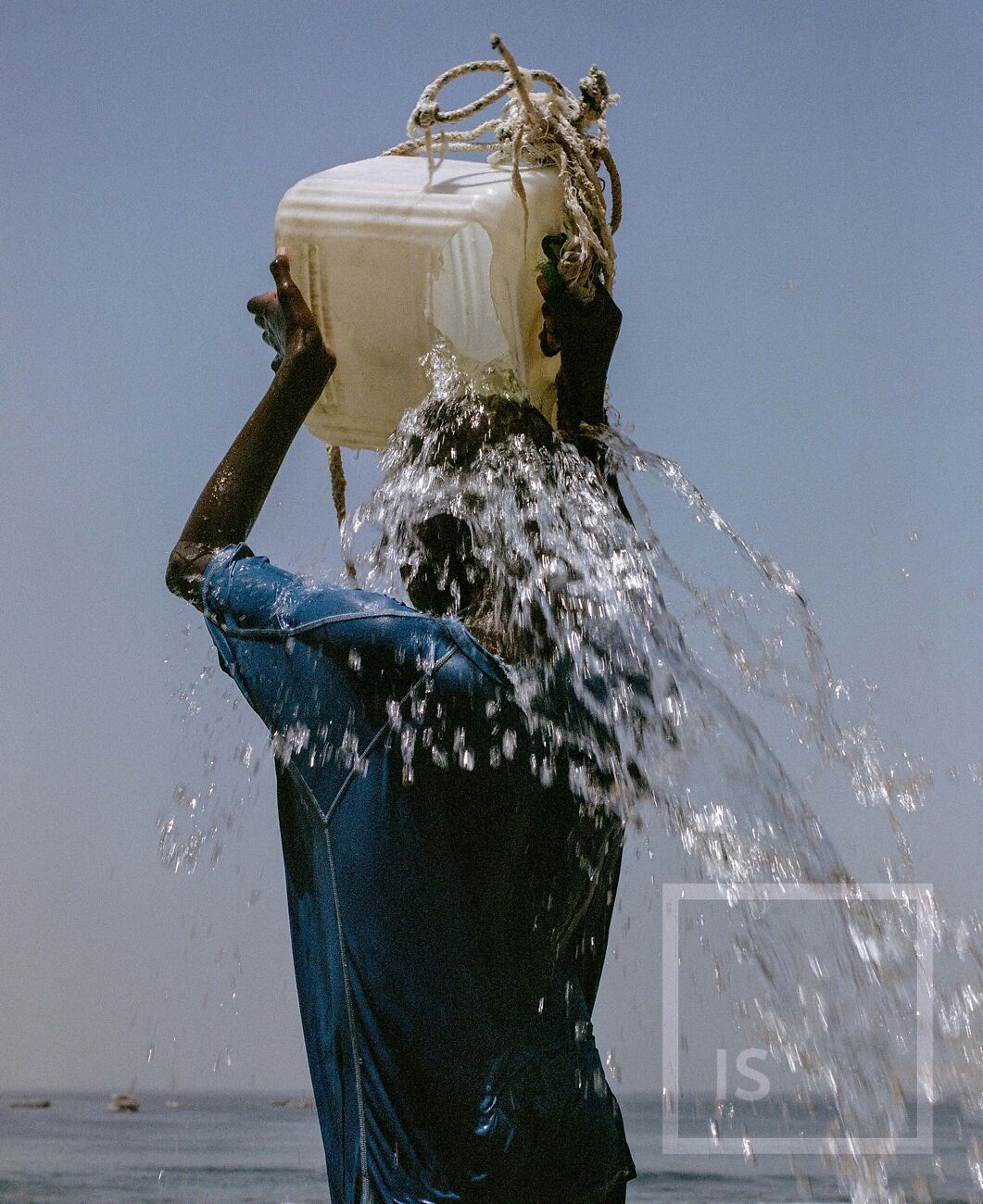
Yes, I did. Both residencies were deeply tied to Black and Blur, the anarchive I’ve been building over the past few years. It’s an ongoing body of work that weaves together visual, sonic, and oral histories from across the Black queer diaspora, particularly focusing on cultural survival and memory. In Senegal, I spent time learning from griots and engaging with ancestral storytelling practices—ways of holding knowledge through rhythm, gesture, and sound. I was also tracing spiritual lineages that exist outside of Western visibility—spaces where queerness isn’t always named, but is absolutely present.
In the UK, that research became more introspective. I was working with material from my own community—old family photos, oral histories, recordings—and considering how these intimate archives reflect broader questions around displacement, belonging, and inheritance. In both places, collaboration with local communities was essential. I wasn’t just gathering material—I was listening, exchanging, and learning. These encounters helped me move away from extractive research models and toward something more embodied, relational, and intuitive.
Did themes of Black queer identity manifest differently – or more vividly – within the context of these residencies?
I’d say they resonated differently, not necessarily more or less vividly—more like they echoed differently depending on the space. In Senegal, those themes lived in the silences as much as the stories. There was a quiet power in what wasn’t said, a kind of coded recognition that didn’t need to be spelled out. That experience directly shaped Les Sommes de Nous, a work I developed during my time there, which explores gender non-conformity through spiritual traditions often obscured by Western frameworks. That piece has since been exhibited at the Dakar Biennale, the Art Gallery of New South Wales, and Tate Britain, and each showing offered a new lens on how those themes resonate.
In the UK, especially in queer and diasporic circles, the language around identity was much more direct—which can be affirming, but it can also risk oversimplifying complex realities. Both contexts expanded my understanding of how Black queer identity moves—sometimes loud, sometimes coded, always shapeshifting depending on land, lineage, and audience.
Can you share a moment, or experience during your time at either Black Rock or The Art House that felt particularly transformative for you as an artist?
One moment that really stayed with me happened during my time in West Africa. I won’t share too many specifics for safety reasons, but I was interviewing and photographing an elder—someone whose presence alone carried so much depth. We spoke with the help of a translator, moving between Wolof, French, and English, and what struck me most was how certain ideas—especially around gender and sexuality—don’t quite translate in the ways we expect them to.
A lot of the language we use in the West to define identity can feel rigid, but in that conversation, I saw how fluid and culturally specific these understandings really are. It was beautiful to witness someone who not only exists outside of those Western frameworks but actively advocates for others who are persecuted within their own system. That experience reminded me that my work isn’t just about representation—it’s about listening across differences, and holding space for complexity.
Earlier this year you exhibited work at Tate Britain as part of their three-week film programme, History Reverberates. This is such an achievement - how did this fantastic opportunity come about?
It came about quite organically. I had just spent two months in the UK and exhibited in a few spaces across London. Shortly after, Ese Onojeruo, one of the curators at Tate, reached out to me via Instagram after encountering my work, and that sparked an ongoing conversation.
History Reverberates was a three-week programme exploring how artists engage with the past—not to preserve it neatly, but to disrupt, reimagine, and echo it through their own lens. It meant a lot to be part of a programme that centred artists from the diaspora—those not trying to repair the archive, but to shake its foundations and open up new ways of remembering, imagining, and understanding identity.
Can you describe the body of work you presented there, and how it fits into the larger narrative of your journey?
At Tate Britain, I presented Les Sommes de Nous, an analogue film and sound work developed throughout 2023–24 across Ghana, Benin, Togo, Nigeria, and Senegal. The piece explores gender non-conformity through traditional spiritual frameworks within the Black diaspora—focusing on how queerness is expressed, protected, and honoured in ways that often sit outside of Western language. The work came out of slow, careful conversations with community elders, spiritual practitioners, and everyday people navigating identity within layered histories. It’s not something I made alone—it was shaped in deep collaboration with others, and I carry a lot of responsibility in how it’s shared.
Les Sommes de Nous has been shown at the Dakar Biennale in Senegal and the Art Gallery of New South Wales in Australia and Automat Philadelphia USA, and I’ve also had the opportunity to share it in the UK at community-rooted spaces like Not/Nowhere, Harlesden High Street, and during Frieze. Each of those screenings meant a lot to me—they grounded the work in dialogue, in places where the conversation didn’t need translation. So, being able to present it again at Tate Britain as part of History Reverberates was meaningful in a different way. It felt like a moment to reflect on where the work has travelled, and to honour the community-driven foundations it comes from, even within a larger institutional space.
I also presented INSCAPE (2019), one of my earliest moving image works. It’s more introspective—exploring surveillance, perception, and interiority. Looking back, I can see how those early questions around visibility and control still live in my work now, but through a wider and more grounded lens. Showing both works together felt like marking two points along the same journey—INSCAPE as a first step into the terrain of what it means to be seen, and Les Sommes de Nous as a deeper, more expansive unfolding of that question across time, place, and collective memory.
How do you decide on scale, framing, or surface when preparing your work for an exhibition? Is there a difference for you how a piece feels digitally versus physically, especially once it’s printed and installed in a space?
Yes, definitely. Shooting on medium format film means I approach each image slowly and deliberately. There’s a physicality to film that’s really important to me, and I try not to lose that in the printing and exhibition process. I’m always thinking about how the work feels in a space—whether it needs to sit closely with the viewer or hold more distance. The digital version of an image is useful for accessibility, but it doesn’t carry the same weight, texture, or presence.
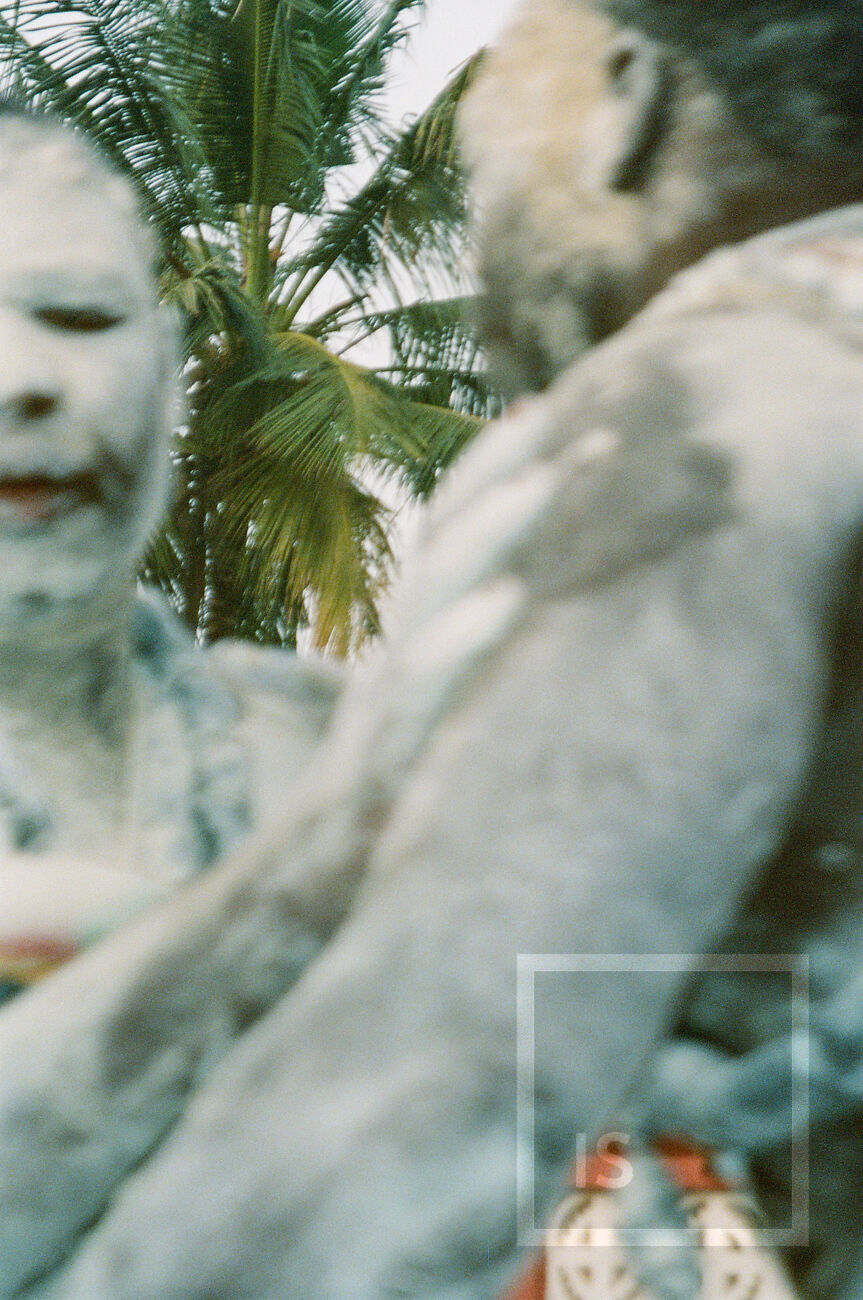
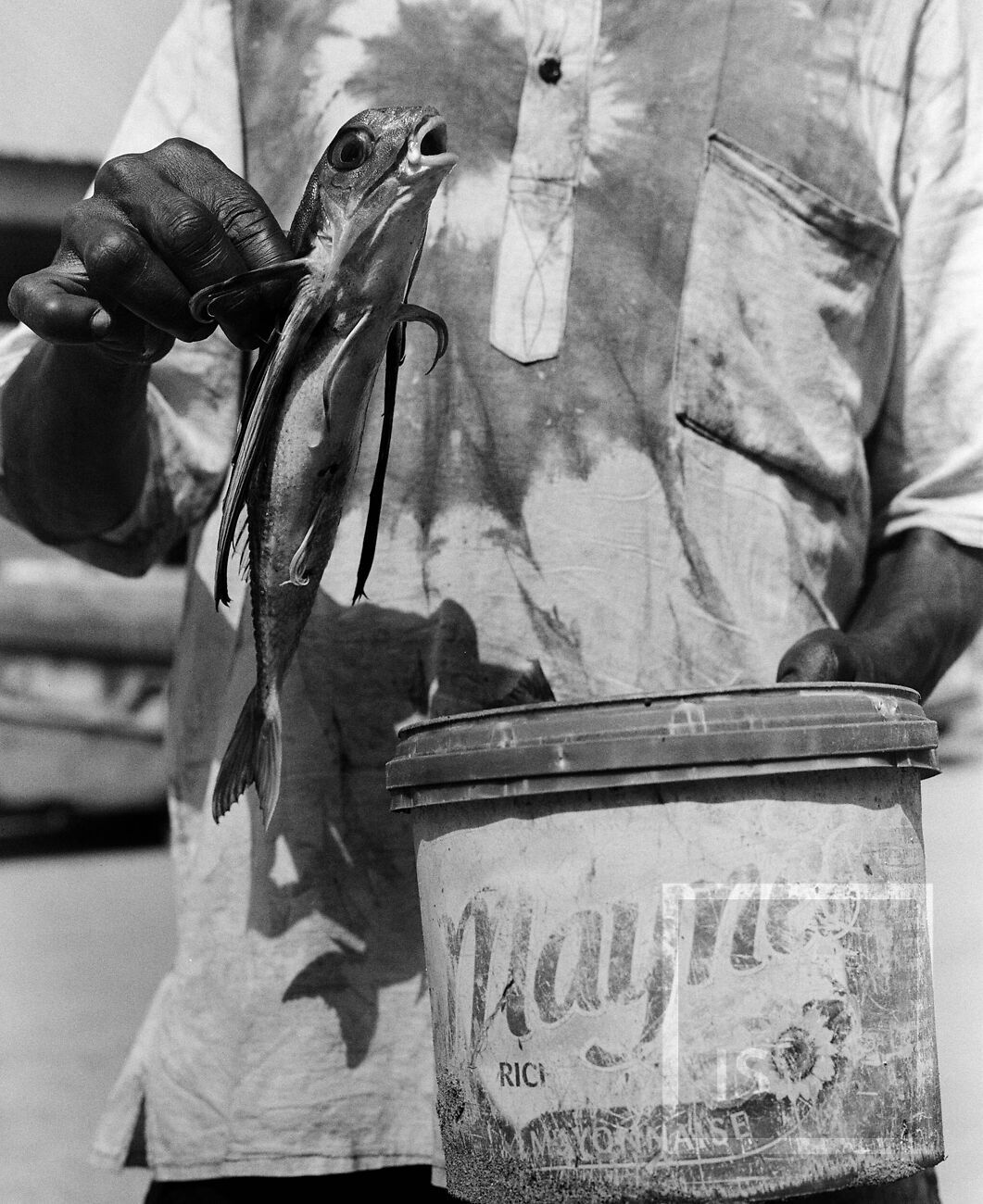
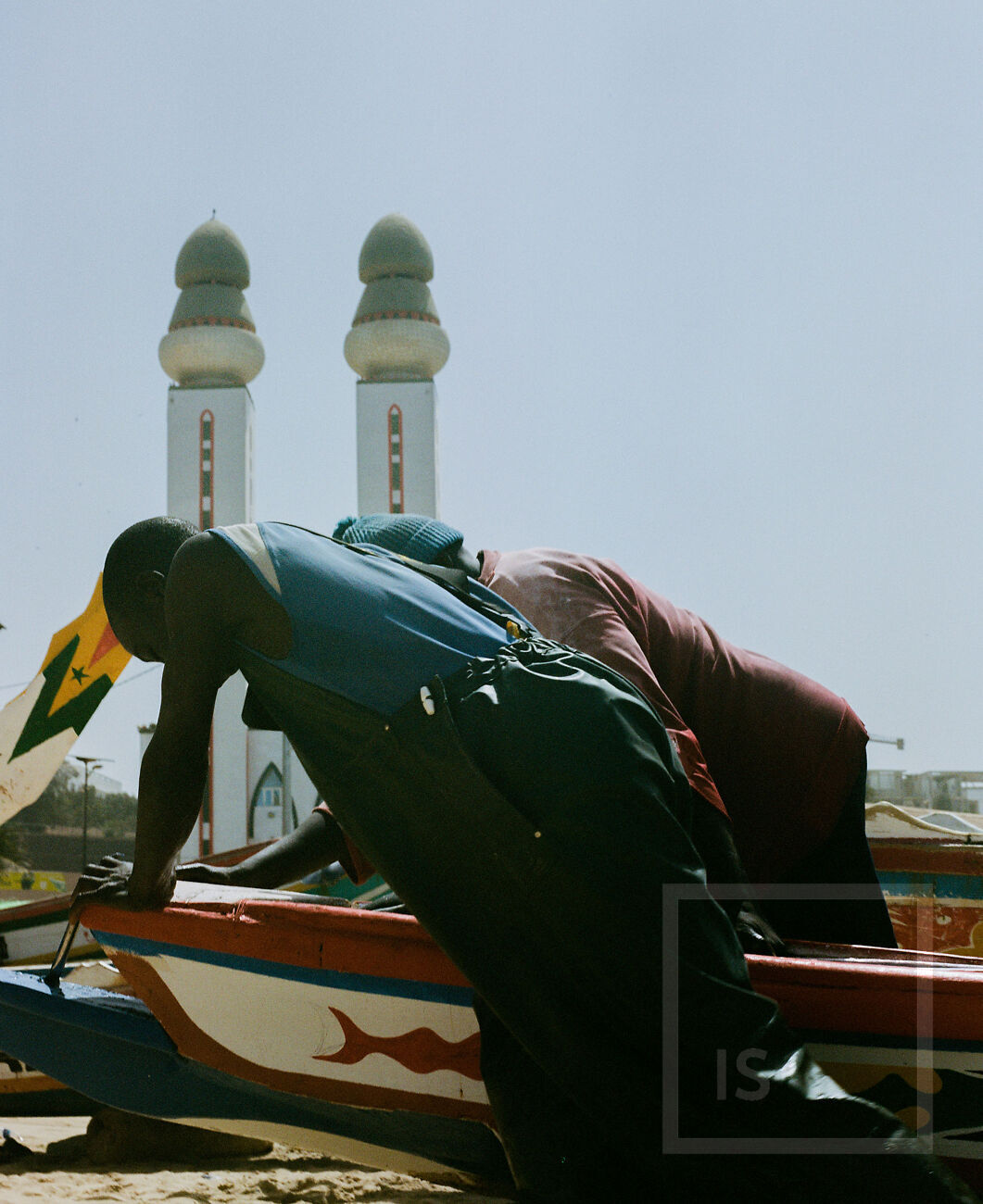
That’s been especially true with my recent series CIRE (Wax), which I’ve been printing and exhibiting throughout this year. It was made across Ghana, Benin, Togo, Nigeria, and Senegal, and the film travelled by car, bus, boat, pragya tricycle, plane, and pirogue—moving through seven countries. Some of the film was hand-developed in an Airbnb kitchen in Accra with artist David Nana Opoku, using whatever materials we had on hand. Other rolls were carried with me to The Art House in the UK for darkroom processing. That whole journey—its challenges and unpredictability—is held in the film. I don’t want to edit that out. I try to let the marks, the dust, and the imperfections remain. They’re part of the work.
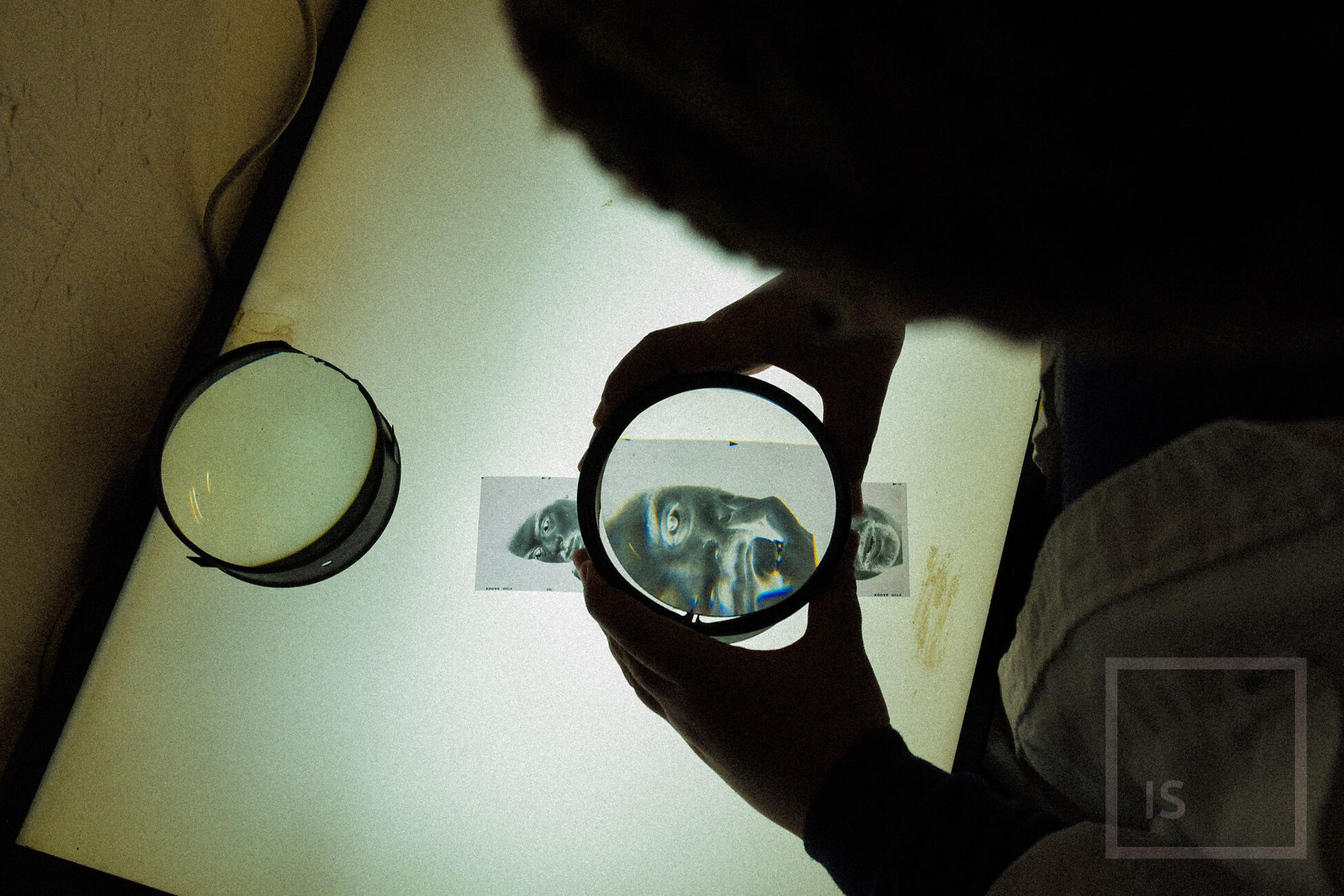
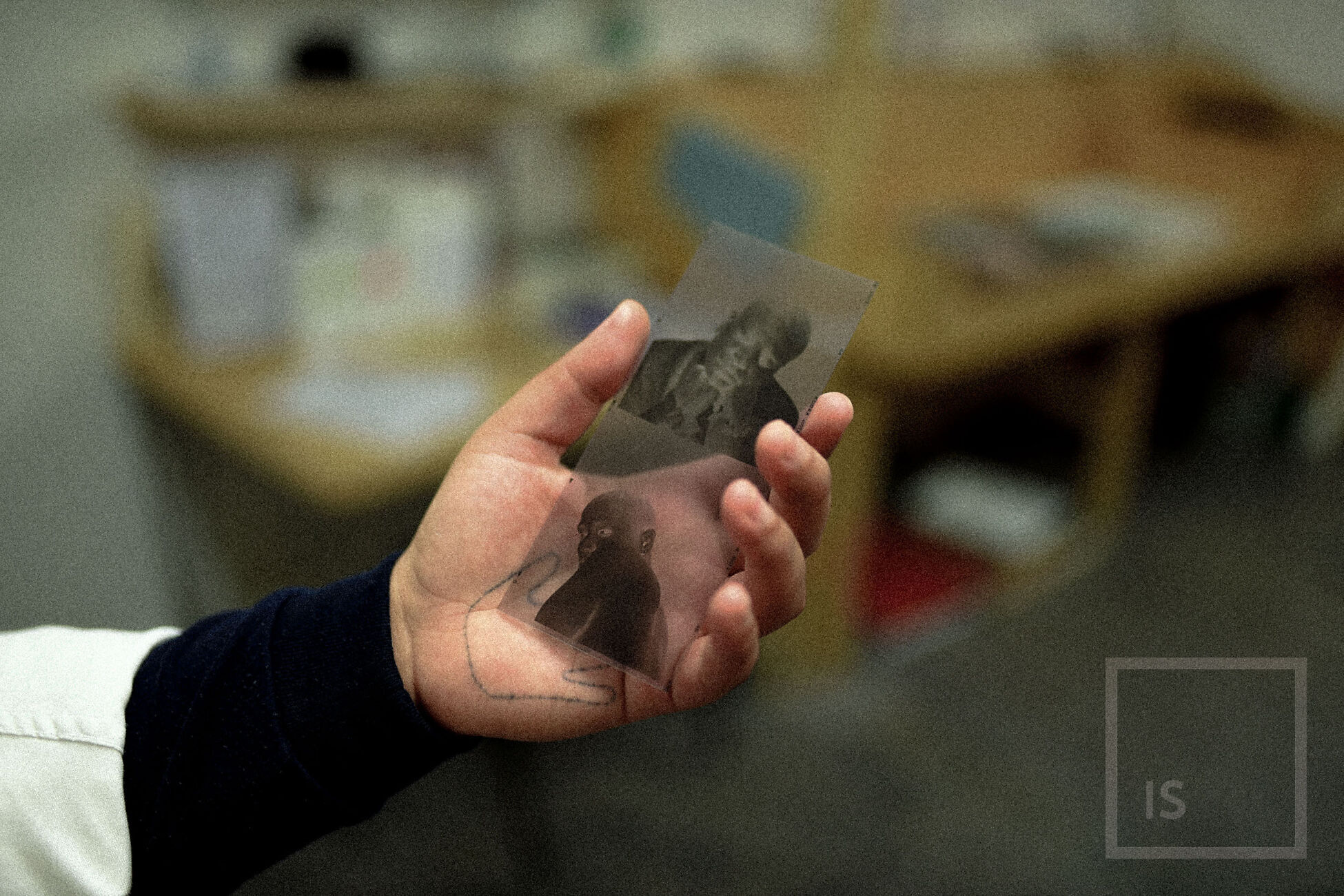


When it comes to printing, I often use Hahnemühle Bamboo paper. I like the texture and warmth it brings, and I also appreciate that it’s one of the more sustainable options available. I usually work in small, limited-edition print runs and try to keep my process as low-impact as possible. The frames I use for CIRE are finished in colours pulled from the buildings in Dakar where many of the photos were taken—it’s a simple way of grounding the work in the places it came from.
CIRE is currently showing as part of Embodied Landscapes at James Makin Gallery, with upcoming presentations interstate in July and a solo exhibition at Photo Access in September. For these exhibitions, the work is framed in a bright, custom colour palette drawn from the surrounding architecture in Dakar. Each time I show the work, I try to honour the process behind it and make choices that respect both the story and the materials.
How do you hope your work continues to impact or shift conversations around race, gender and representation in contemporary art?
I hope my work offers pause. I don’t think of it as an answer to anything—it’s more like a question asked slowly, across time. If it helps someone feel seen, or invites them to see differently, that’s something. I think race, gender, and representation aren’t boxes to tick—they’re lived, shifting realities. If my work contributes to a more layered understanding of that, great. But it’s also okay if someone just feels something—I’m grateful for that too. The world is a hard place right now, so if I can offer a bit of softness, or a space to breathe and dream, that feels like impact to me. A ripple travels further than it knows.


Finally, what’s next for you and your practice – artistically, spiritually, or personally?
I’m preparing for several exhibitions across the year—including CIRE (Wax), which is currently showing at James Makin Gallery as part of Embodied Landscapes, with a presentation coming up in July (that I can’t announce just yet), and a solo exhibition opening at Photo Access on September 18. I’ll also be showing work at Bus Projects in Naarm later this year, with a presentation at Pari in Sydney scheduled for early next year. I’m also currently an Artist Advisor at Firstdraft in Sydney, which has been a valuable space for reflection and supporting other artists in navigating their own paths.
I’m continuing to build Black and Blur, an evolving anarchive exploring Black queer memory across Australia, West Africa, and the UK. There are also a few independent projects growing out of the anarchive—more intimate works and collaborations that allow me to explore other formats and ways of storytelling. I’ve also been writing a lot—notes, scripts, reflections—trying to give shape to some of the bigger ideas I’ve been sitting with. I’m currently working on a project with the British Council, which will support the next stage of this research and deepen its international roots.
More than anything, my focus this year is on bringing joy and play back into the centre of my practice. After spending time away from home, I’m clearer than ever about the importance of sharing work—putting it into conversation with others, and letting it be encountered in different contexts. I’ve got a lot in motion at the moment, and this feels like the right time to be exhibiting widely—through galleries, institutions, and spaces where the work can keep unfolding alongside new audiences.
Experience Lilah's work first hand in their current and upcoming exhibitions:
- Current: Embodied Landscapes at James Makin @ ANZ Gallery – VIC | Now until 20 June
- Next Solo: Photo Access – ACT | 18 Sept – 18 Oct
- Upcoming: Bus Projects – VIC | 29 Oct – 6 Dec
- Upcoming: Pari Ari – NSW | 1 Jan – 29 March
To keep up to date with artist news, follow Lilah on Instagram at @easylilah, or contact Lilah through their website.