Featured Artist: Heidi Freihaut
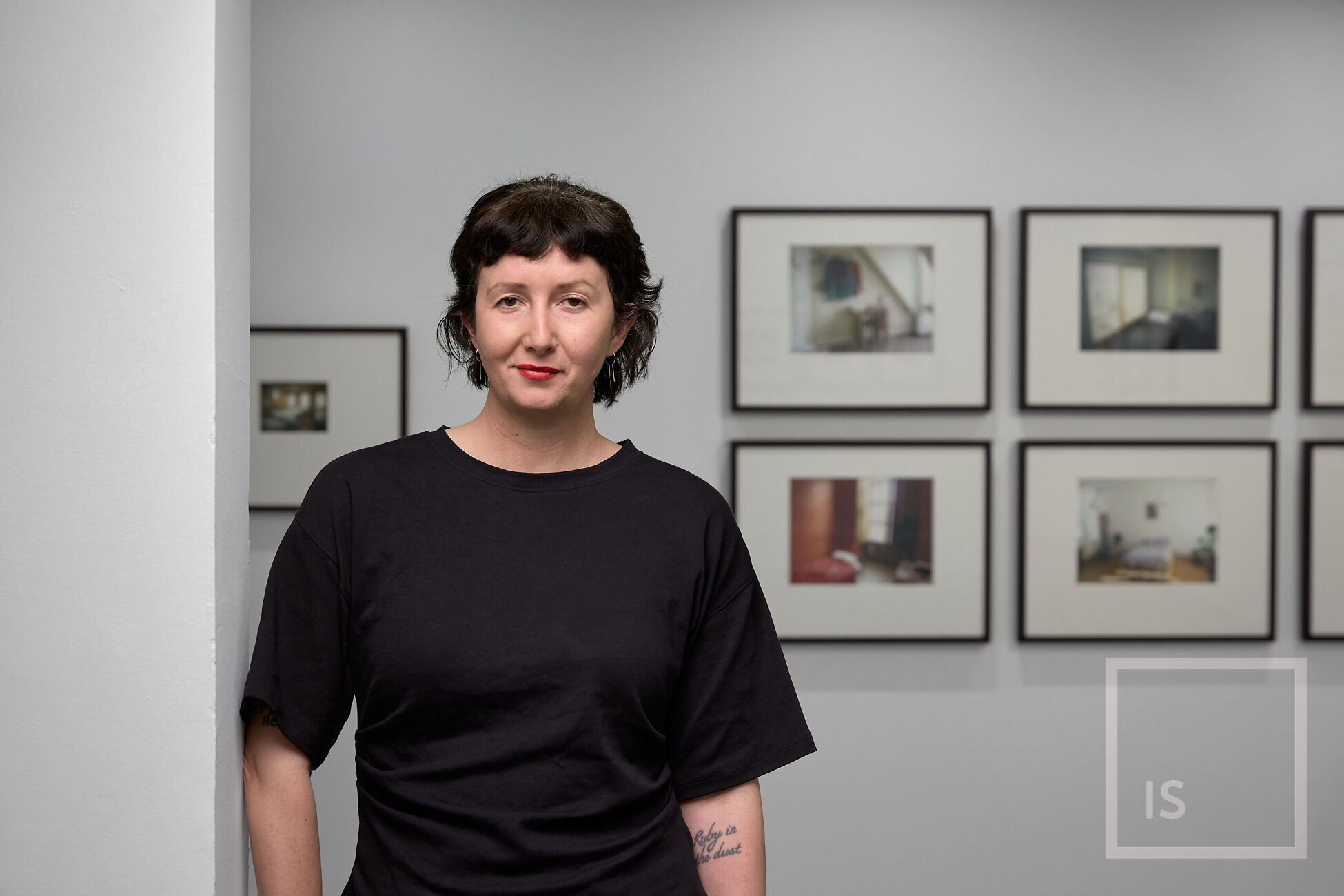
Heidi Freihaut is a contemporary photographer whose practice explores themes around form and architecture, space vs. place, and the ways we move through and experience different environments. Based on the NSW/VIC border, Heidi’s work draws on her extensive travels, with her photographic practice often focusing on transient environments and the experiences that unfold within them.
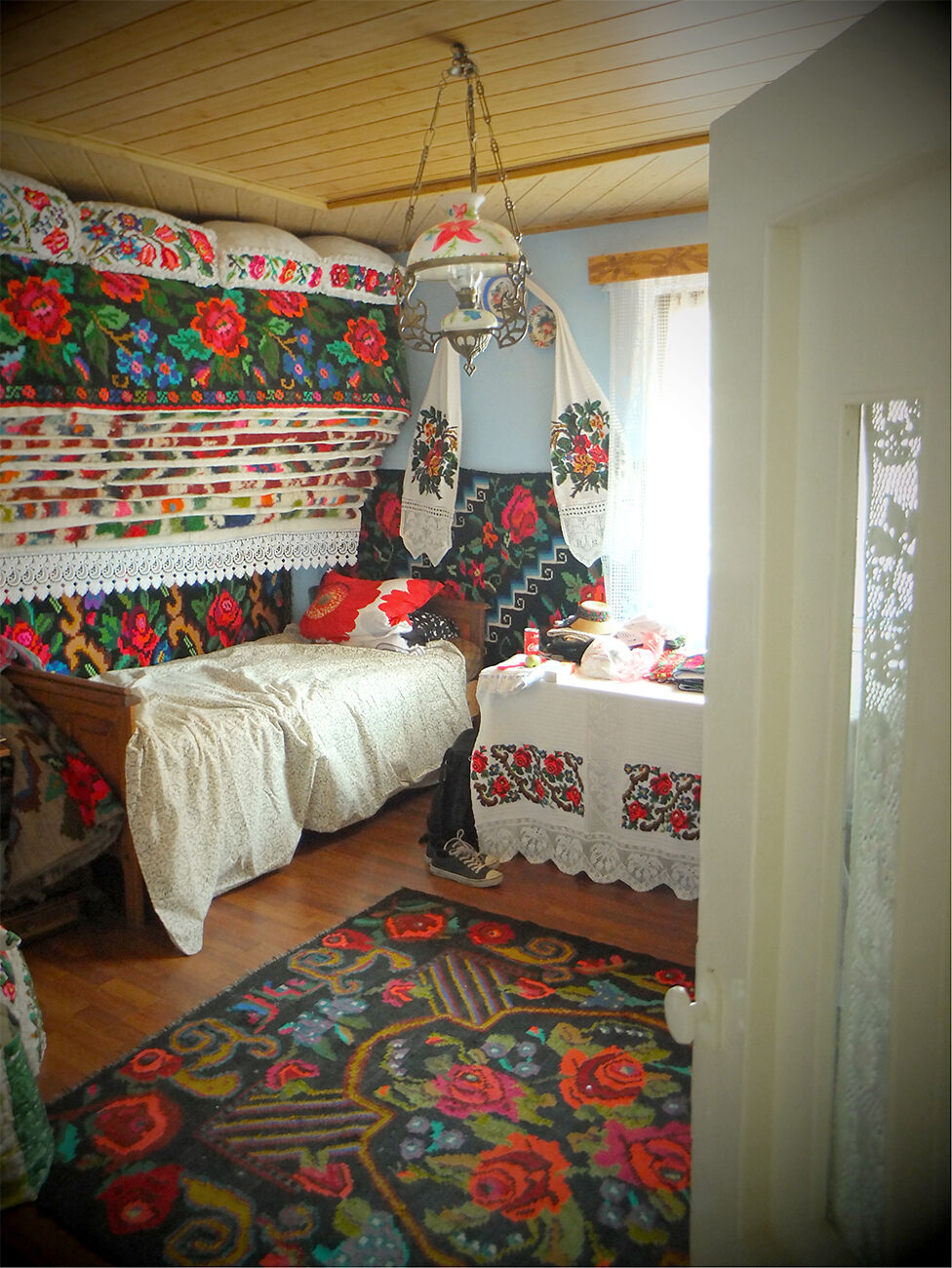
Heidi's current exhibition Beds I Have Slept In at Murray Art Gallery Albury (MAMA) brings together a selection of photographs taken during travels through more than 60 countries, documenting beds and bedrooms in the temporary spaces she has passed through. From hotel rooms and guesthouses to more unexpected places, each image offers a glimpse into a particular time and place, while inviting viewers to bring their own memories and associations to the scene.
We were proud to work with Heidi to produce the fine art prints for Beds I Have Slept In, helping bring this extensive photographic archive together for the exhibition.
In this interview, we spoke with Heidi about the relationship between travel, memory and place, the story behind Beds I Have Slept In, and what temporary spaces can reveal about the experience of being somewhere far from home.
Heidi Freihaut: Beds I have Slept In
- Where: Murray Art Museum Albury (MAMA), 546 Dean St, Albury NSW 2640
- Exhibition Dates: 11 September - 8 November 2026
- Price: Free
See full details about the exhibition here.
Looking across your photographic practice, there’s a strong interest in how we experience and move through different spaces. What is it about photographing a place that interests you, beyond simply recording what is there?
Photographing these places became a way of documenting them for myself firstly. I see the photographs of the beds as a prompt for memory. I am really excited to be exhibiting them and that turn from the personal to the public. I have always been intrigued by both space and place, and drawing a distinction between the two. They are recurring themes throughout my arts practice. I have investigated how we move through high circulation environments, like international airports or transient spaces like hotel rooms. Why do we travel from the security of one place, onto foreign ‘unknown’ spaces?
The concept behind Beds I Have Slept In opens up questions about travel, memory and place. How did the idea for the series first come about, and what was it about beds and bedrooms that drew you to them as a way of exploring these ideas?
The idea for the series came from looking back through my personal archive of travel photographs. In conversations with Murray Art Museum, Albury (MAMA), I was very open curatorially to what the exhibition would look like, and the beds were selected.
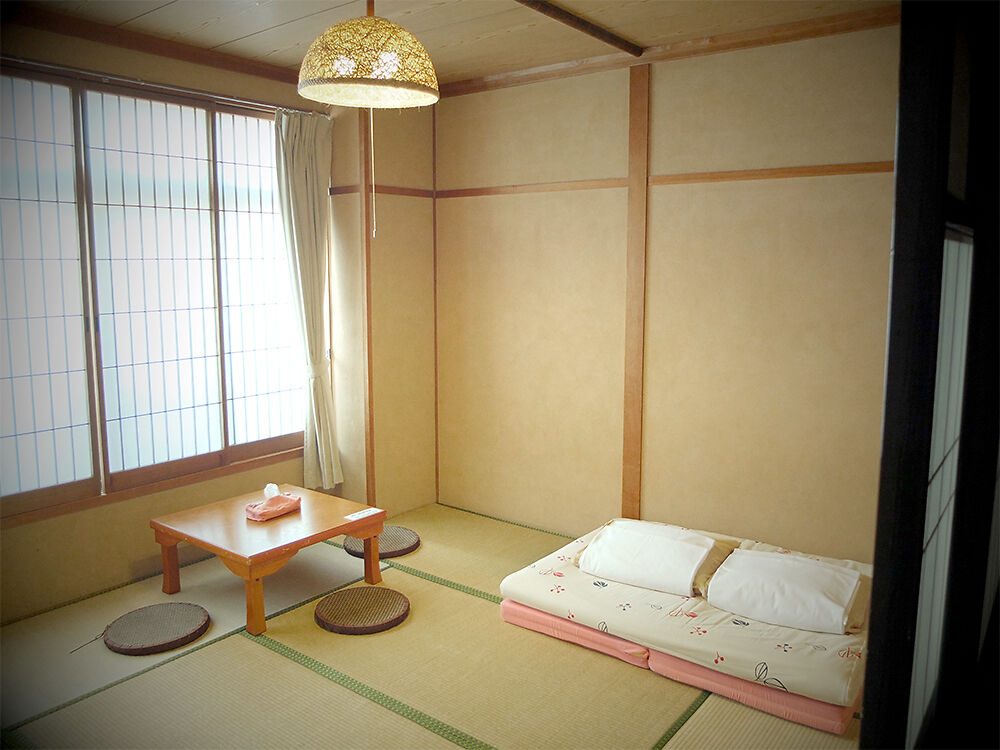
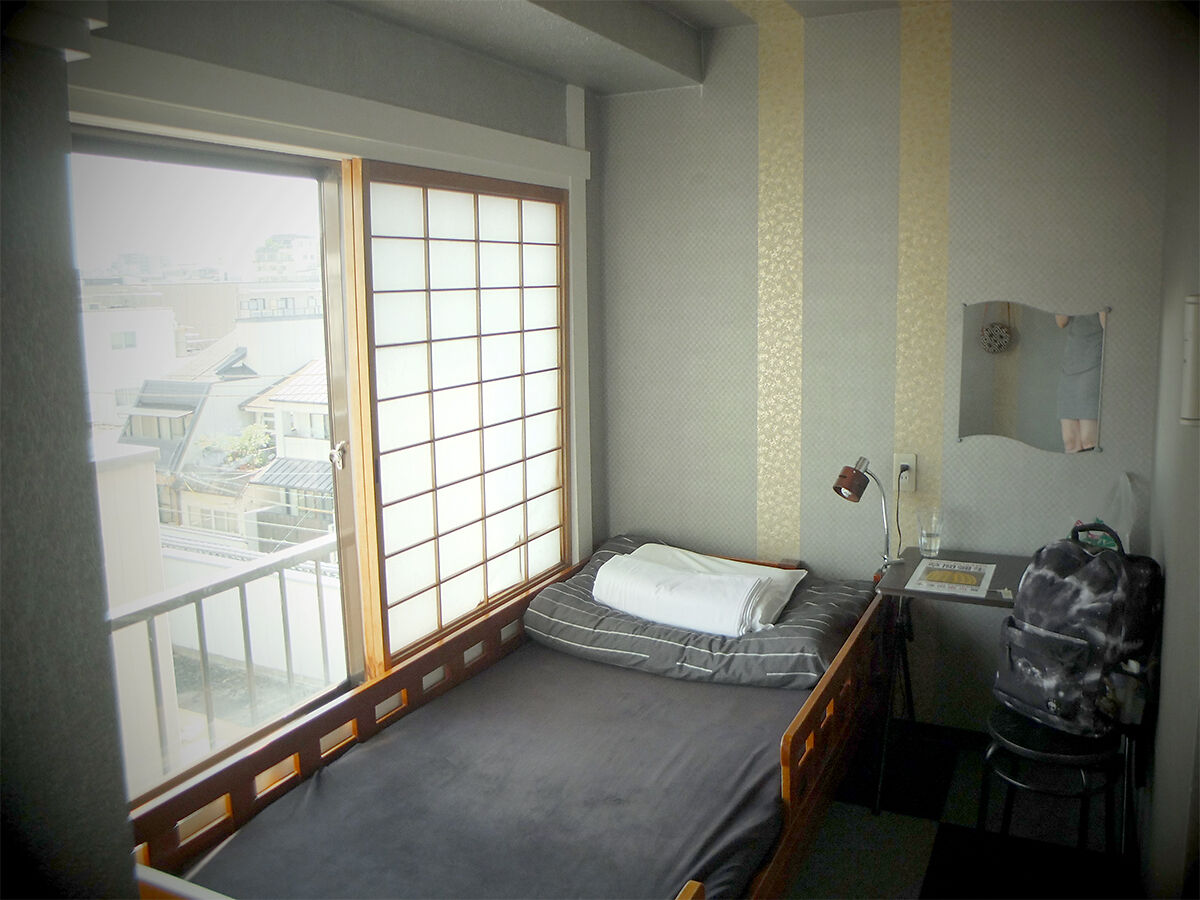


The Japanese have a word Natsukashii (懐かしい), which roughly translates in English as a warm, joyful feeling of fond memory without the sadness or regret often found in English nostalgia. In 2009 I bought a cheap flight to Tokyo. While I was in Japan something just clicked, so I returned to Melbourne to take leave from my studies, rent out my room, and apply for a one year visa for Japan. Within a few weeks I was back on a flight to Tokyo. For the next year I worked as a cleaner in an international guesthouse (yes, very Sophie Calle-esque). I spent a year cleaning and changing beds, it was one of the best years of my life.
Aside from the people, I connected with Japan [as a place]. I promised myself I would return, and I have been back several times. This return is represented by some works in the show; beds in Takayama, Nara, Kyoto, and Asakusa.
The photographs are of beds that aren’t yours, yet each one is connected to a personal memory of the experience and place surrounding it. How important is that connection to memory when you’re making the work?
It was important in the selection of the works, but incidental in the making of them.
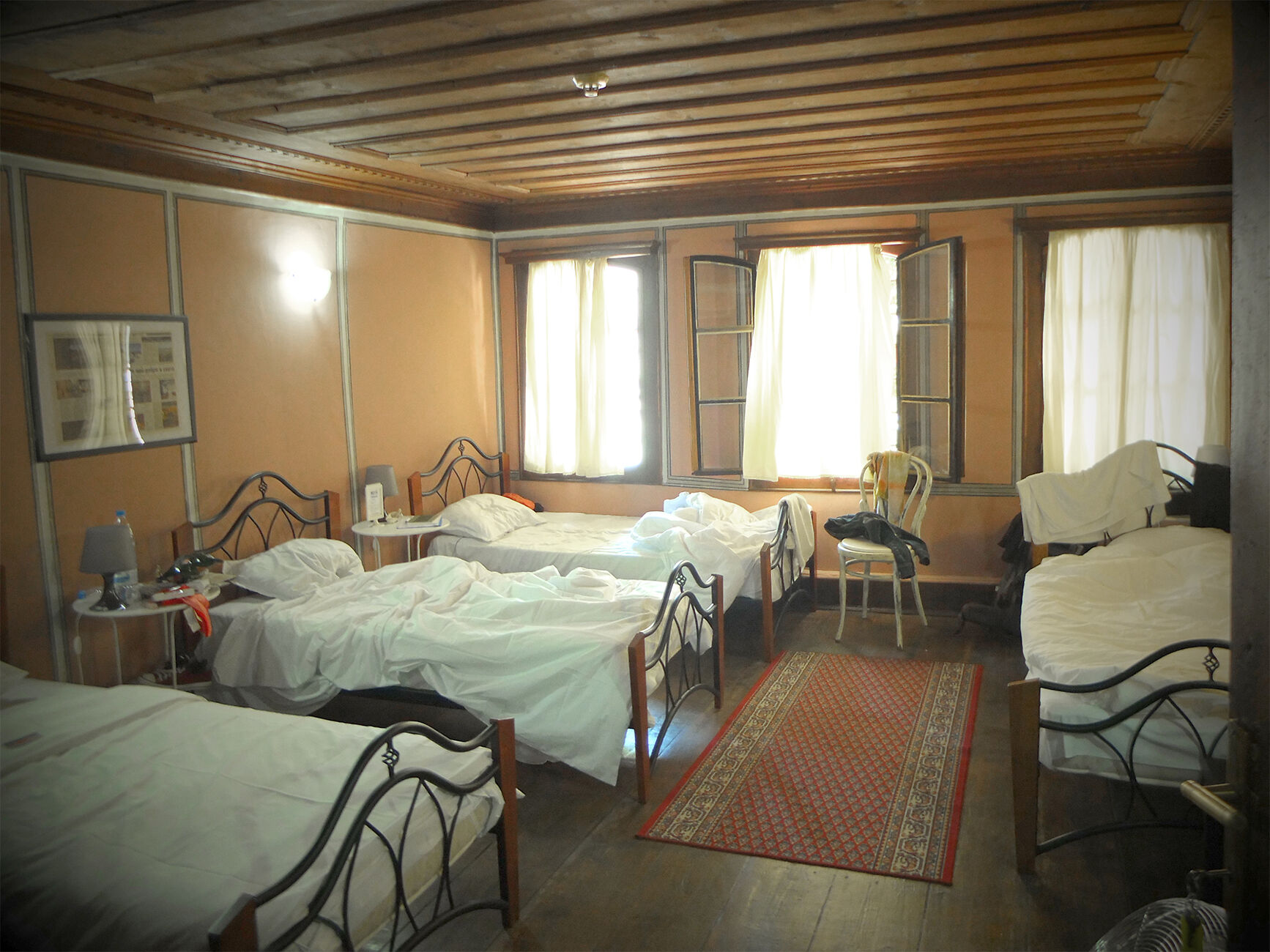
An elegant shared room in Plovdiv, Bulgaria connects me to the memory of meeting Eric and Dan. A four poster bed in Jaipur, India takes me back to being incredibly sick in that bed.
There are two backpacks on chairs in the photograph from Jaipur, one belonging to my partner at the time, the other bag my own. Most of the photographs though were taken on solo travels and that's when things really open up. You get to see the place, and experience the culture. I have truly experienced culture, and the kindness of people, while travelling as a solo woman.
There’s an interesting tension between the intimacy of a bedroom and the anonymity of a hotel or temporary room. What do you think these spaces reveal about the experience of being somewhere temporarily, rather than belonging there?
That’s a really good question. Perhaps the bedrooms pictured lack as many personal artefacts one would expect in comparison to our own bedroom.
While I will hang up a coat or take off my shoes, I am not one to totally unpack while travelling. You will see my backpack sitting there full of clothes throughout many of the images.
I think the tension between the intimacy of a bedroom, and the act of passing through a temporary room is what drives this body of work.
Hundreds of photographs were taken during your travels, from which this series has been selected. What makes a particular bed or photograph stay with you and ultimately earn its place in the exhibition?
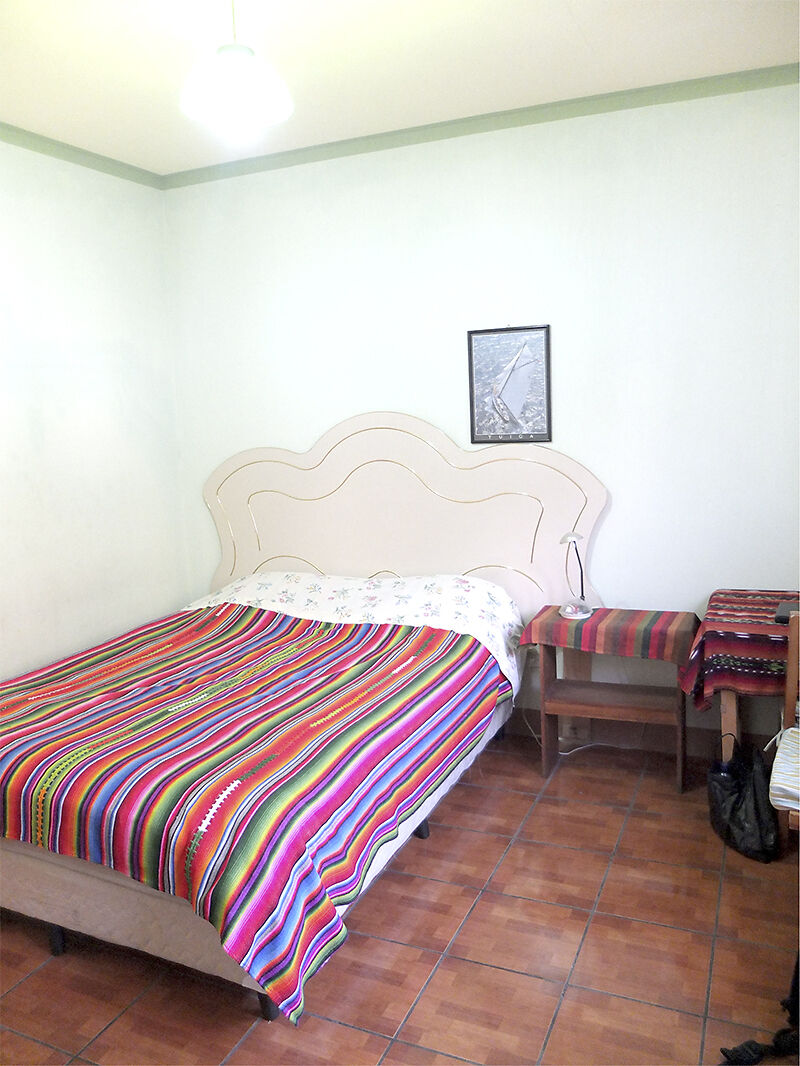
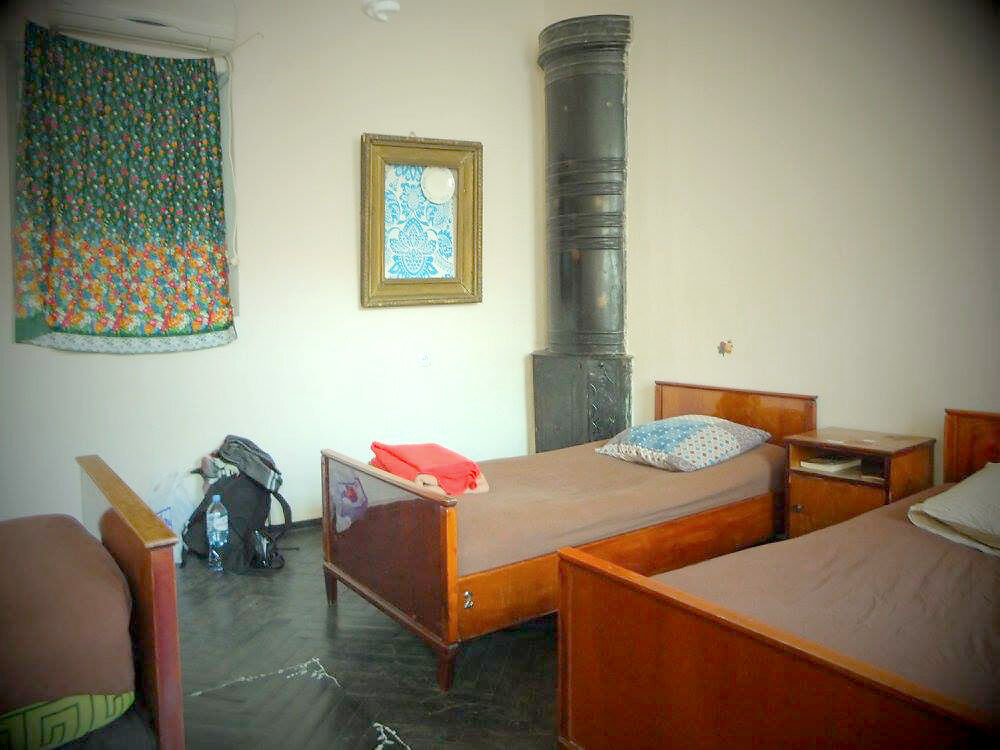
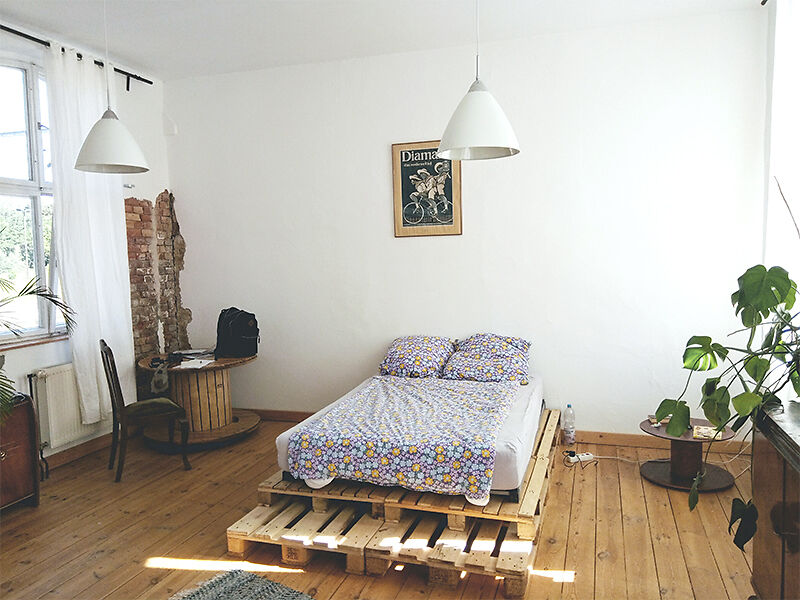
The photographs were taken between 2011 - 2019. Selecting the images was certainly an interesting process. Some of the beds were obvious choices, either through the room being striking, or the composition being really good. Other photographs are not the best technically, but that was never the point. It was impossible given the time range, differing locations, even the types of available light I worked with. So it then came down to the back story; the time I slept in an Airbnb private cabin on a docked wooden boat in Honolulu, or when I spent a week on a meditation retreat at a Buddhist Monastery in Kathmandu Valley.
The exhibition draws connections between your photographs and the long history of the bed as a subject in art, including Tracey Emin’s My Bed. How has this history influenced the way you think about the bed as a subject in your own work?
The history of the bed in art is a long one, back to Durer’s etchings of pillows from the 1400’s, through to Emin’s more contemporary take on the bed. I used history as a methodology to draw similarities, as well as differences conceptually between my work and those produced by others.


It was a way to look at my interpretation through a different lens (no photography pun intended). It also helped me to come up with the title of the exhibition which is always important.
Once you started putting the exhibition together, did the work reveal anything to you that you hadn’t necessarily seen when the photographs were made individually?
I had no idea how attached I was to some of the photographs until we worked towards the exhibition.
When it came to the layout of the works in the gallery space, MAMA gallery staff and I talked through possibilities. Should the images be hung chronology? Should they sit geographically? Should similar colour temperatures be grouped near one another? We decided to let all that go. Once the photographs were in frames and in the space it was somewhat like visual tetras working out the layout. I came back after the wall text [with titles] had been put up next to the photos, it was very cool to see what city ended up next to what.
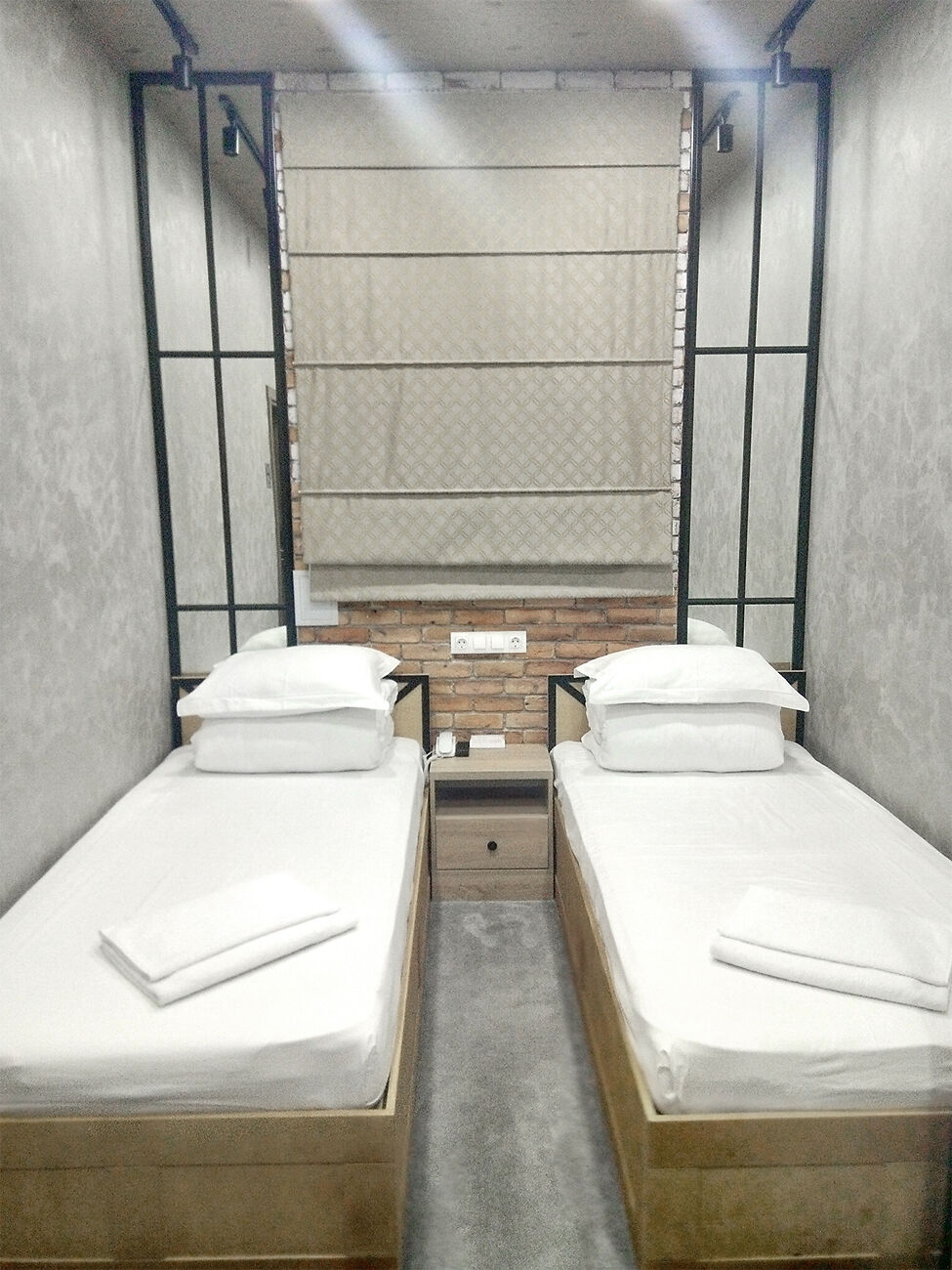
How do you hope visitors will interact with and respond to the images in Beds I Have Slept In?
I hope that visitors see something familiar within the images. The inclusion of the place within each work's title was purposeful. The title anchors the image to place, experience and time also with the month and date the image was taken. Visitors might notice the most recent image was taken in 2019. It was a year which put a temporary (well several year) pause to our ability to move about the globe.
I believe the photographs are accessible to adults and kids alike. I was at the gallery the other day and overheard a mother and young daughter talking about a capsule bed, ‘look it was taken in Tokyo’. So they can bring forth imaginative associations for everyone really.
As the exhibition brings together many of the ideas that have informed your practice, are there other themes or directions you’re interested in exploring further from here, or do you see yourself continuing to develop this series?
There are other series within this archive of travel photographs I have accumulated, such as Balkan or Russian streetscapes. And even photographs of meals I have eaten in Belarus and Egypt. They are there ready to be exhibited at some point.
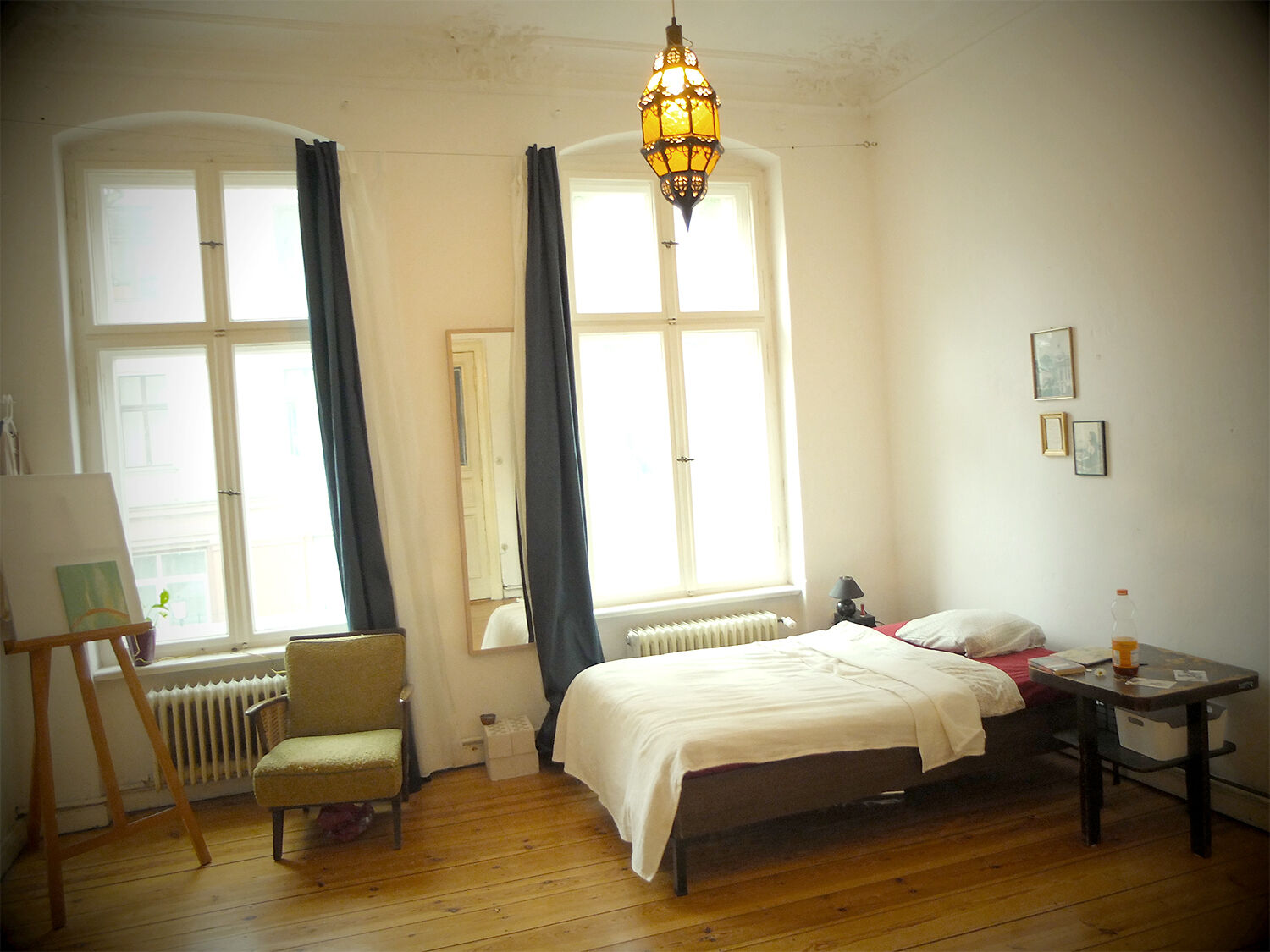
Heidi Freihaut: Beds I have Slept In
- Where: Murray Art Museum Albury (MAMA), 546 Dean St, Albury NSW 2640
- Exhibition Dates: 11 September - 8 November 2026
- Price: Free
See full details about the exhibition here.