Featured Artist: Hattie Molloy
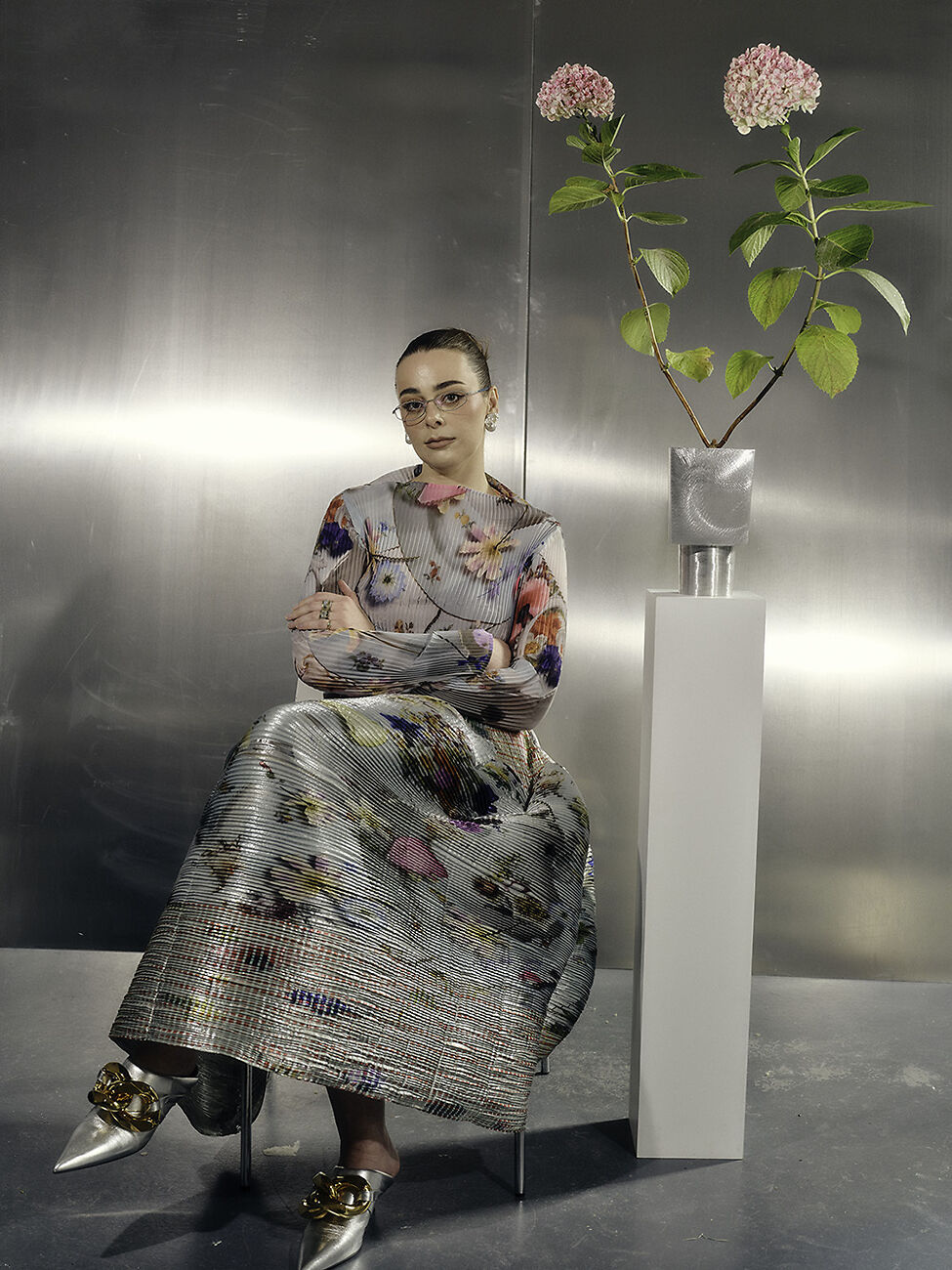
To step into Hattie Molloy's world feels a little like wandering into a garden dreamt up by Dr Suess; an otherworldly, amorphous landscape where where every-day blooms shed their familiarity and unfurl into something whimsical, surreal and slightly uncanny.
Hattie is a Melbourne-based artist, object maker and creative director who is celebrated for her bold, sculptural installations that elevate floral design into fantastical, contemporary art forms. Exploring the tension between nature and artifice, Hattie's practise reveals the expressive potential of the every-day and the ephemeral.
We were thrilled at the chance to interview Hattie, whose visionary floral compositions have been a constant source of inspiration to us over the years. In this conversation, we dig into Hattie's creative practice, exploring her shift from corporate life to floristry, the meditative rhythm of her studio work, and how she captures the fleeting beauty of her subjects before they fade.
Before your creative career in floristry, you worked in a corporate environment. What was the pivotal moment or turning point that inspired you to make such a significant career shift?
I don’t think I was ever cut out for an office job. I was really unhappy in that environment, and from the time I was about four or five, I’d always said I wanted to be a florist. So in the end, I just trusted my gut and followed that dream.


In your early years as a florist, what did you find yourself most frustrated by or most curious about that set the stage for the way you work now?
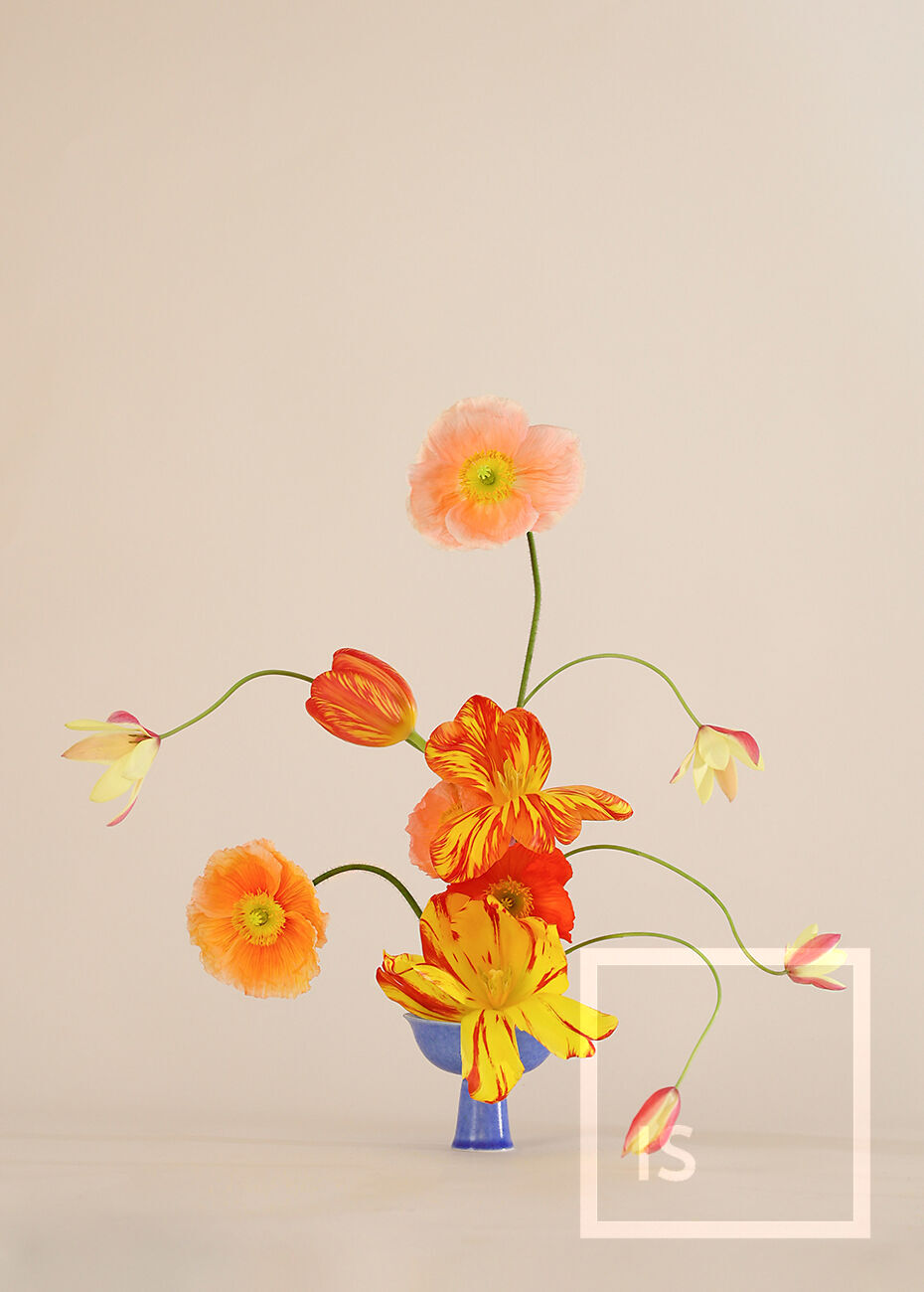
From the very beginning, I was interested in using materials beyond just flowers. I’ve always loved gardens and gardening, so I naturally looked at plants and botanical elements in a more holistic way. From the seeds and soil to the plant itself, the flower is just the final product. Early on, I’d get frustrated when clients wouldn’t let me use the strange and wonderful things I was drawn to. I think that’s why I started photographing my own arrangements - using photography as a space to experiment and play.
I love how you can take a familiar bloom and reimagine it in such a creative way that it becomes unfamiliar, transforming the natural into something almost otherworldly. Your creations create such an interesting tension between life and artifice. What draws you to this process of transformation?
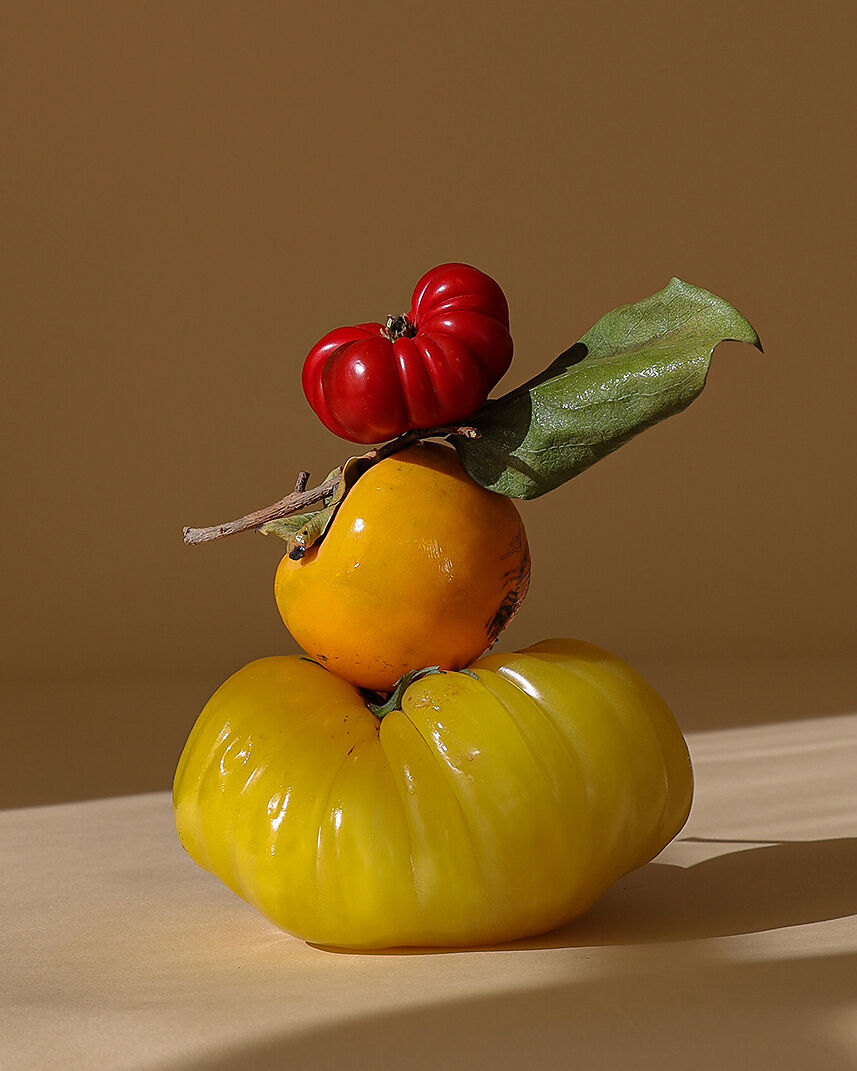
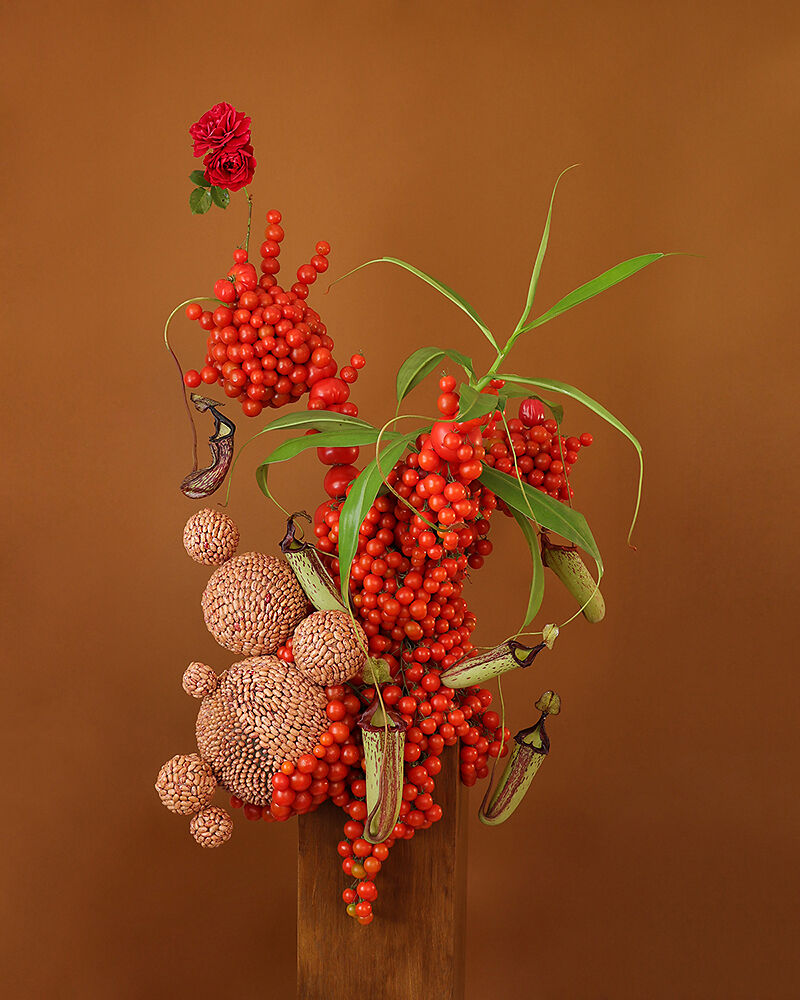
Love this question! I’ve always been fascinated by taking everyday elements like gerberas, pumpkins, tomatoes and reimagining their context through composition and form. I like to challenge people’s perception of the ordinary and encourage them to see familiar things in a new way.
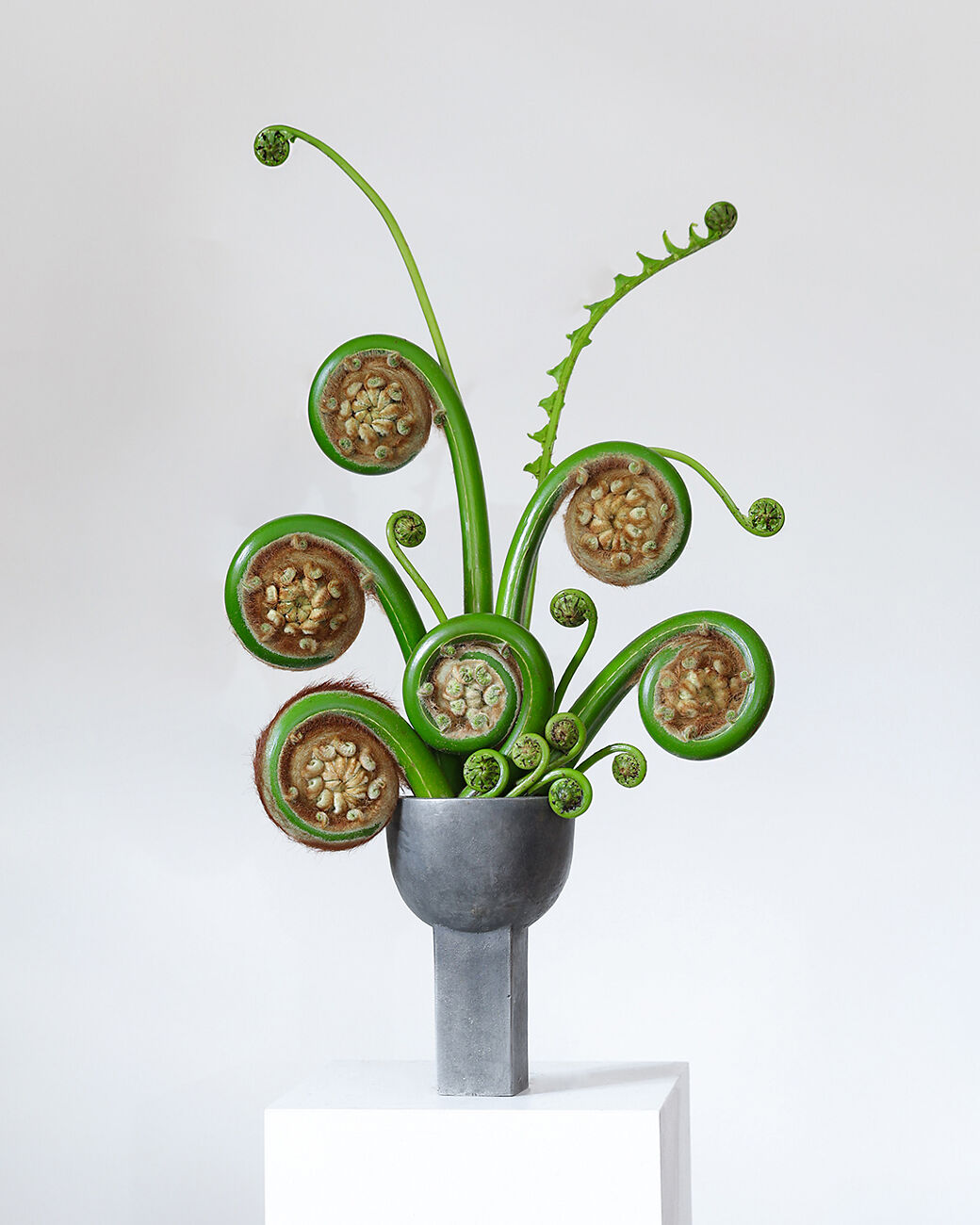
With spring bringing its signature vibe of creative renewal and rebirth, are there any special or unusual flowers or materials you find yourself gravitating toward this season?
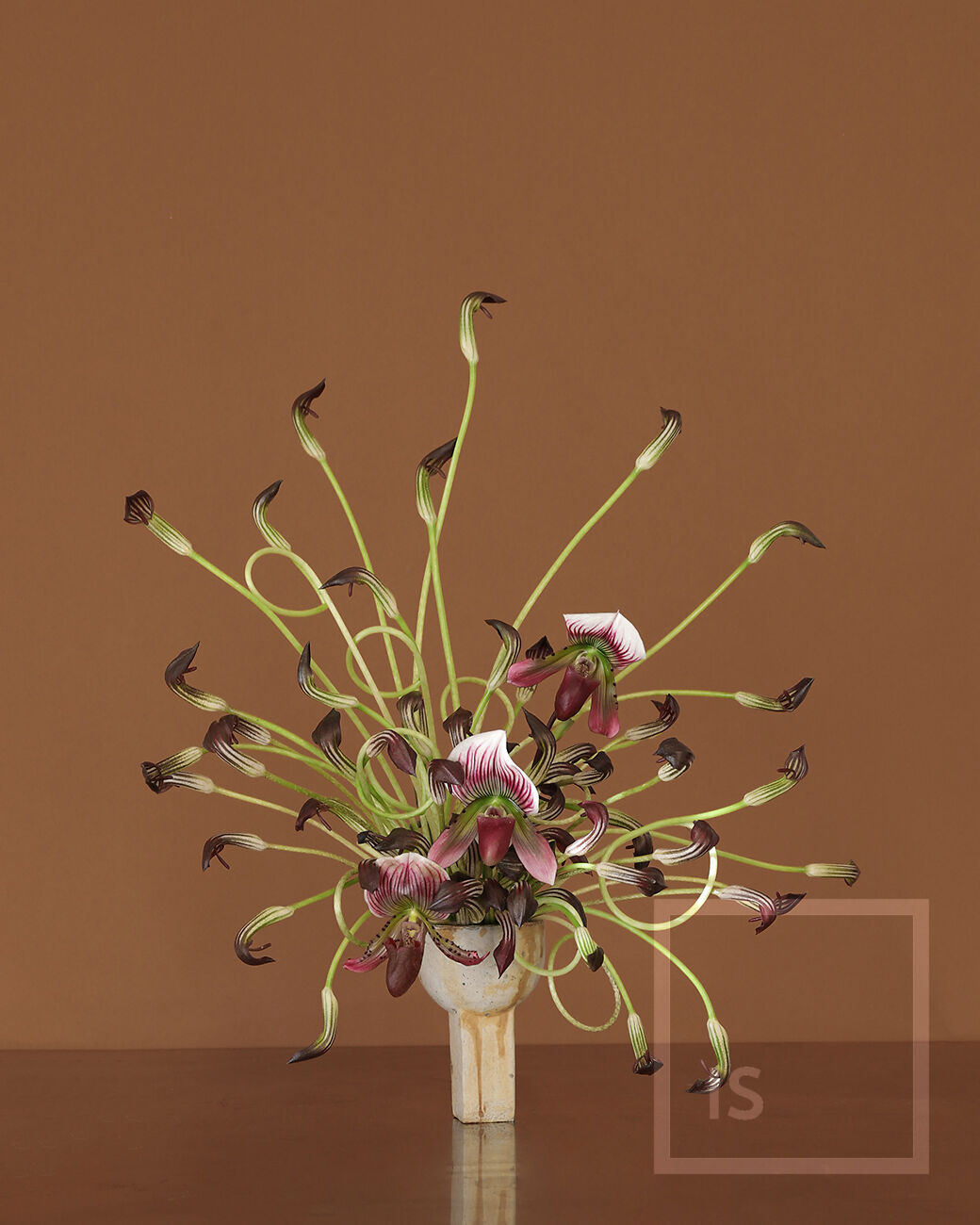
I’ve just used baby fern fronds in an arrangement I photographed. They’re so captivating in the way they’re unfurling - like a quiet performance of growth and potential.
At Image Science, we’re constantly struck by how your studio compositions translate so well from the physical to the photographic. Can you walk us through your process in the studio - are you consciously thinking about composition when you build your floral sculptures, or is it a more meditative, fluid process? Does your studio process differ greatly from your on-site installation work?
I’d say it’s a very meditative, fluid process. That’s my “play time,” where I follow instinct and intuition. Large-scale events, on the other hand, require lots of planning and managing people. My studio arrangements often become a testing ground for ideas that clients later see and use in events. I love photography because I can create something completely perfect - just for one fleeting moment, captured in time.
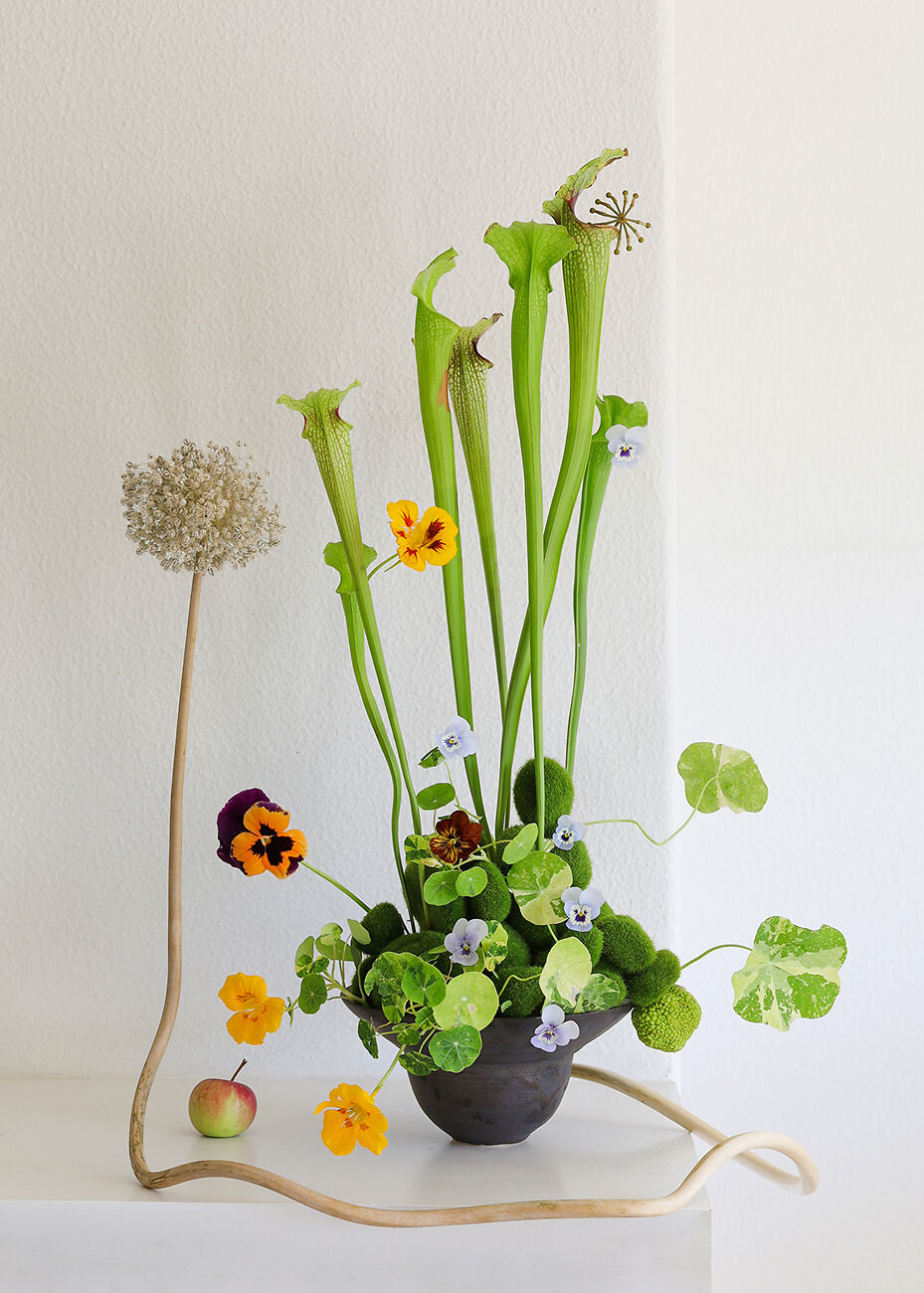
What is your relationship with photography in your artistic process - do you see it as documentation of your floristry, or as a creative medium in its own right?
I see it as a creative medium of its own. I approach it differently from event work or real-life arrangements - it allows me to explore ideas that exist purely for the image.
Given the ephemeral nature of your work, I’m interested in your strategies for preservation and documentation. Do you find this ever gets in the way of the vision you want to achieve? I imagine creative problem solving has become second nature to you!
It can be tricky trying to capture something at its absolute peak. You have to work quickly and time things precisely. But I’m also fascinated by the life cycle of flowers - their decay and transformation - and that’s something I’d like to explore more deeply through documentation.
Working with flowers, especially for installations, must come with its fair share of challenges given their short lifespan and tendency to decay. Can you recall a time when things didn’t quite go as planned and you had to think fast to pull it all together?
Yes, that happens all the time! But it’s second nature now, you adapt quickly and problem-solve. Sometimes those moments of chaos lead to unexpected creative breakthroughs, showing you a new way to put something together.
Your work often invites people to slow down and look again at something ordinary - or to view something familiar in a different light. What are you looking at differently these days?
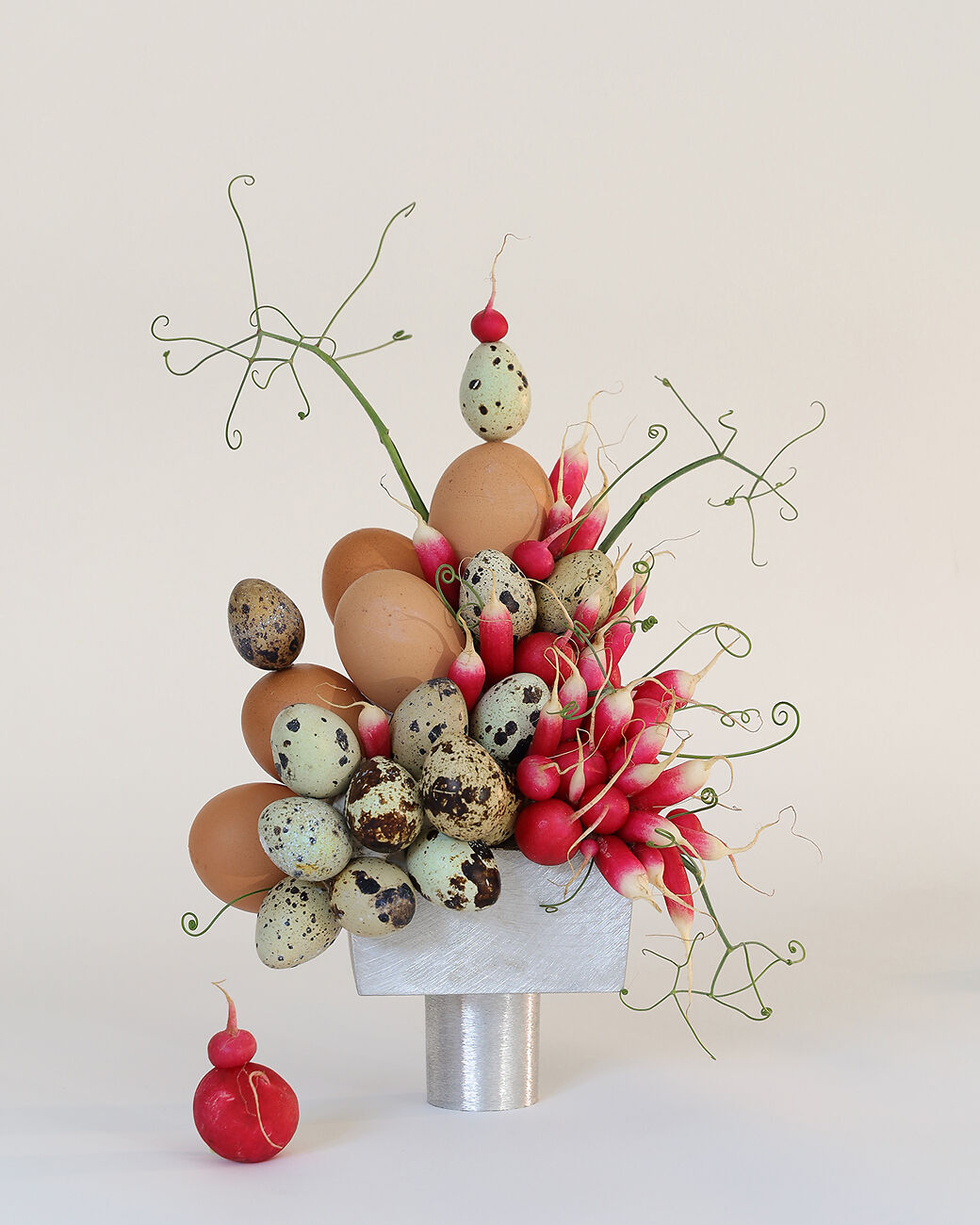
Yesterday I made an arrangement using eggs, which I was really happy with. Often, those ideas come from seeing something simple like eggs sitting on my kitchen bench and just playing with it. Having the freedom to experiment is really important to me.
How has your relationship with the natural world evolved over the years since your first days as a florist?
I started my business in 2017 after freelancing for only a year or so - it all happened very quickly, and I just ran with it. In 2021, I was diagnosed with Functional Neurological Disorder, which greatly affected my mobility and cognitive function. That meant I had to completely rethink how I ran my business and the kinds of projects I took on. I’m still learning how to live and work with a disability, but my love for gardens has been such a grounding force. I’m planning a move to the country soon to create a big garden where I can grow my own flowers and botanical elements for my work.
Speaking of evolution, your journey as a creative seems marked by bold shifts and transformations - do you have a sense of what your next big shift might look like, or what direction you might explore next?
As I mentioned, I’m moving to the Dandenong Ranges to rebuild a life that’s more accessible and aligned with my needs. I’m really excited to grow the unusual plants and flowers I love to use in my work. I’m also currently growing a large-scale installation for Melbourne Art Fair in February. It’s an exciting challenge because I’m growing the entire installation from seed and documenting the process from start to finish.
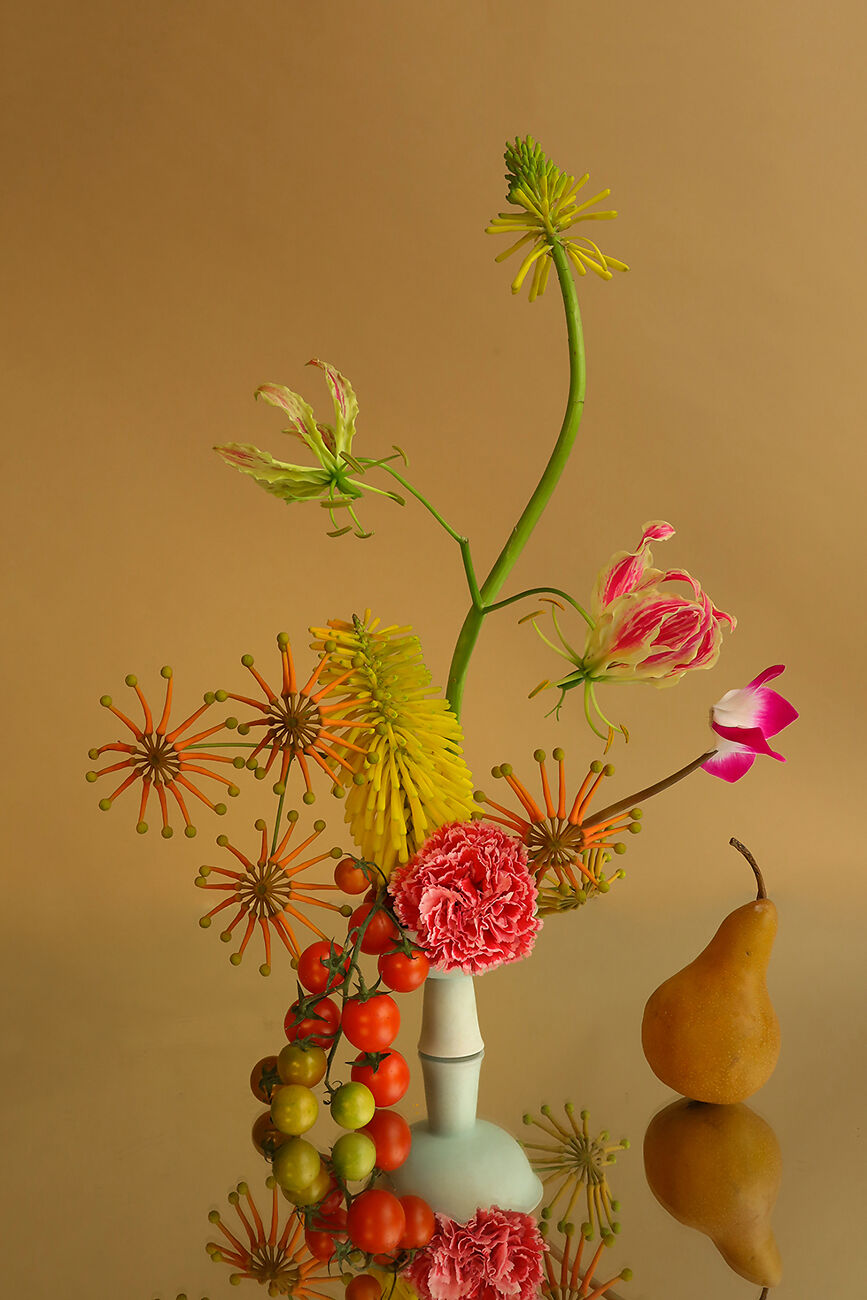
To shop Hattie's range of archival prints, calendars, and homewares, head to her website at hattiemolloy.com.au. To keep up to date with artist news, events and product releases, follow Hattie at @hattiemolloy. Contact Hattie through her website to enquire about collaborations and wedding services.

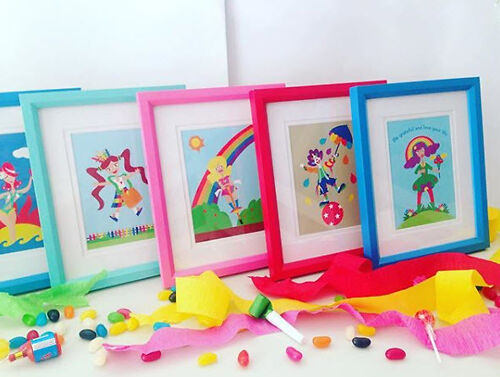
As a happy customer who loves your printing, I thought that I'd send you my website link so you can see my colourful prints printed by you! www.angelartz.com.au Your prints are in the frames. Thanking you so much!!
- Angel Artz -