Featured Artist: Archer Davies
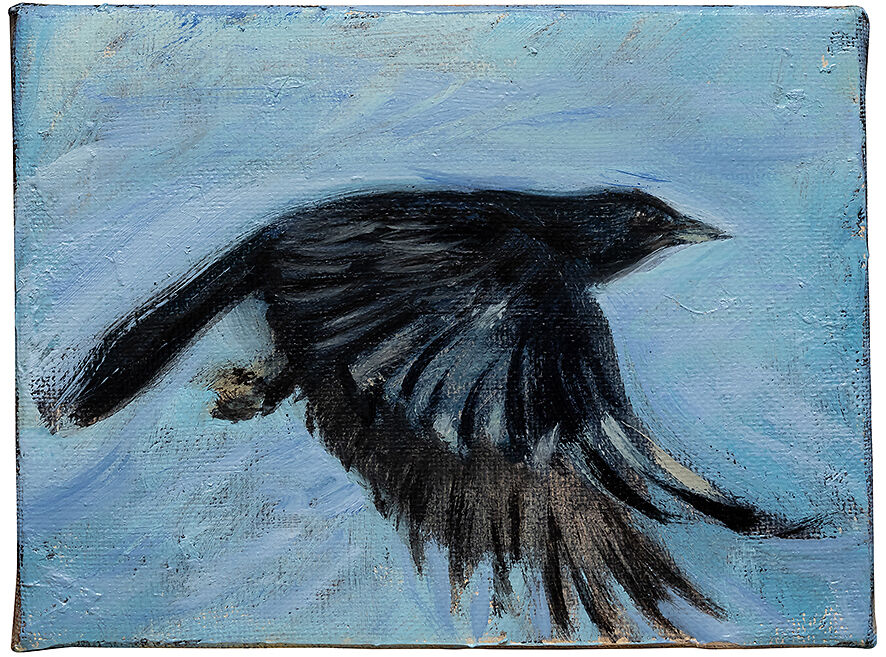
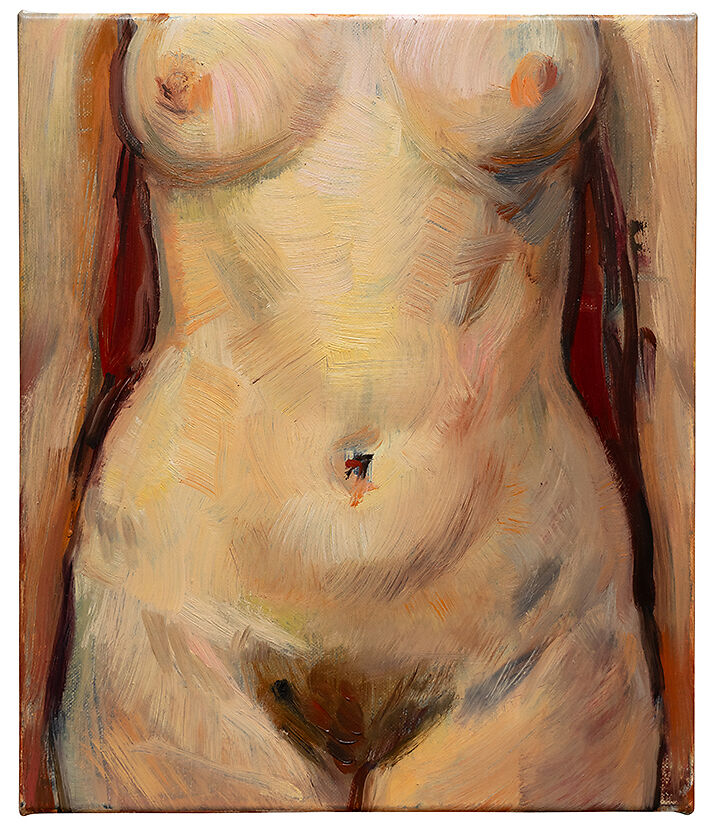
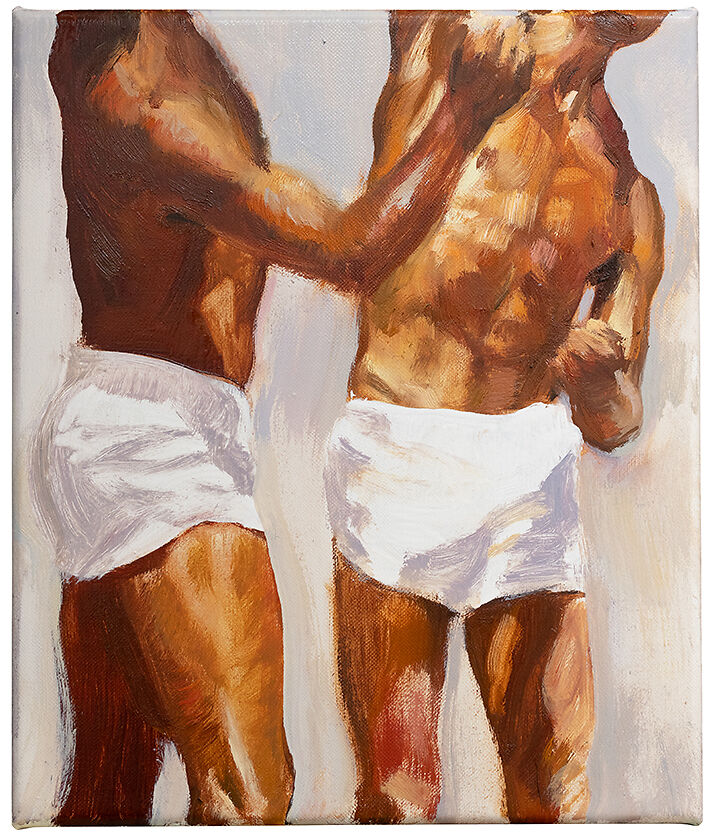
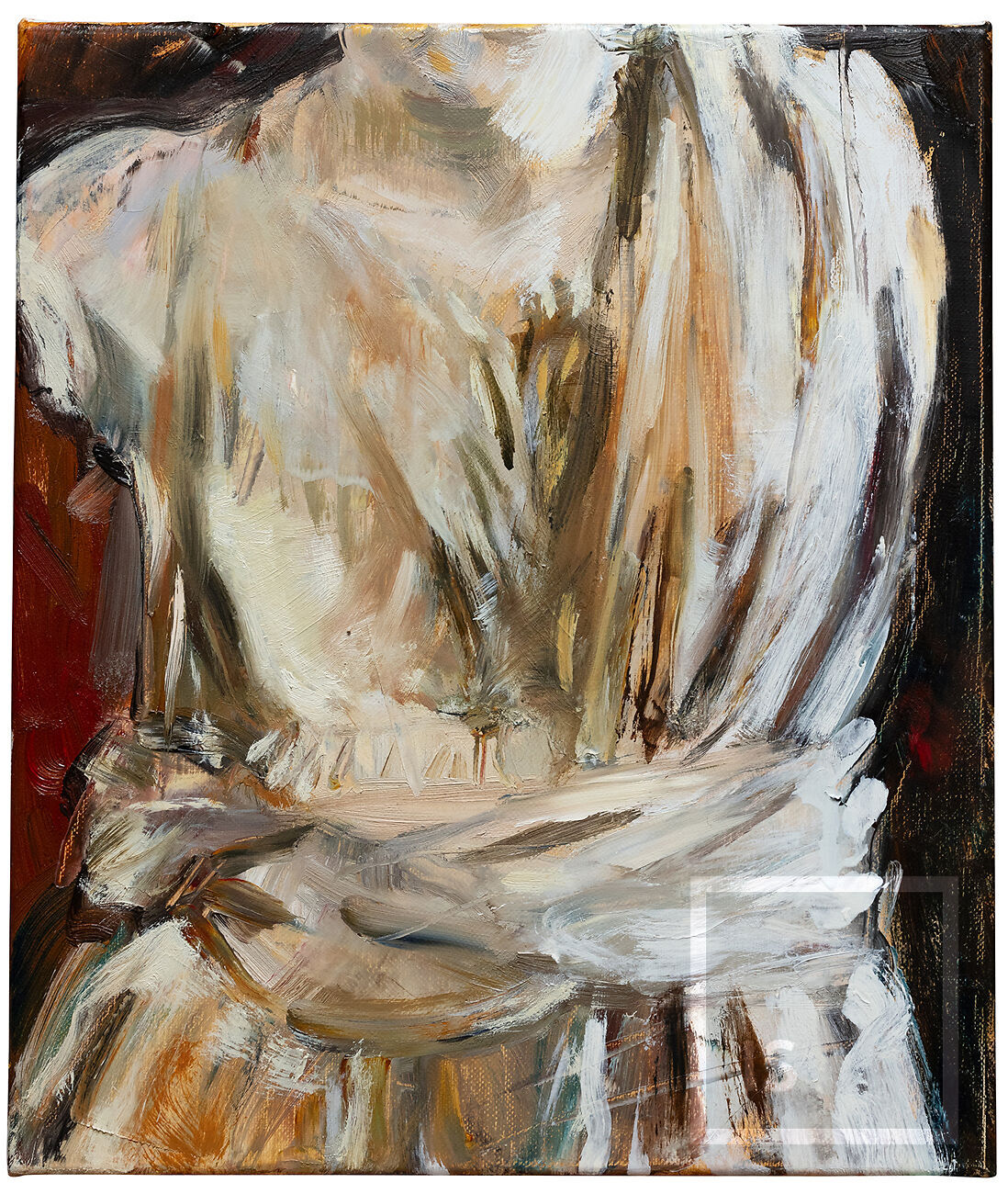
Drawing influence from historical portraiture, still life, and cinema, Melbourne-based contemporary artist Archer Davies uses sweeping, gestural brushwork to reimagine the work of great Masters such as Titian, Velázquez, and Manet.
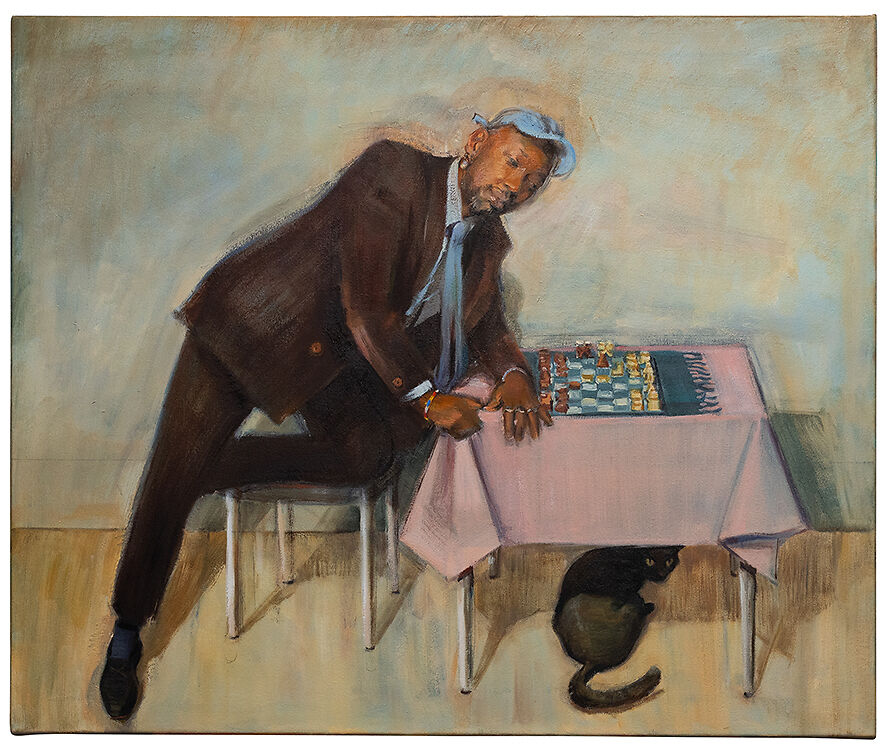
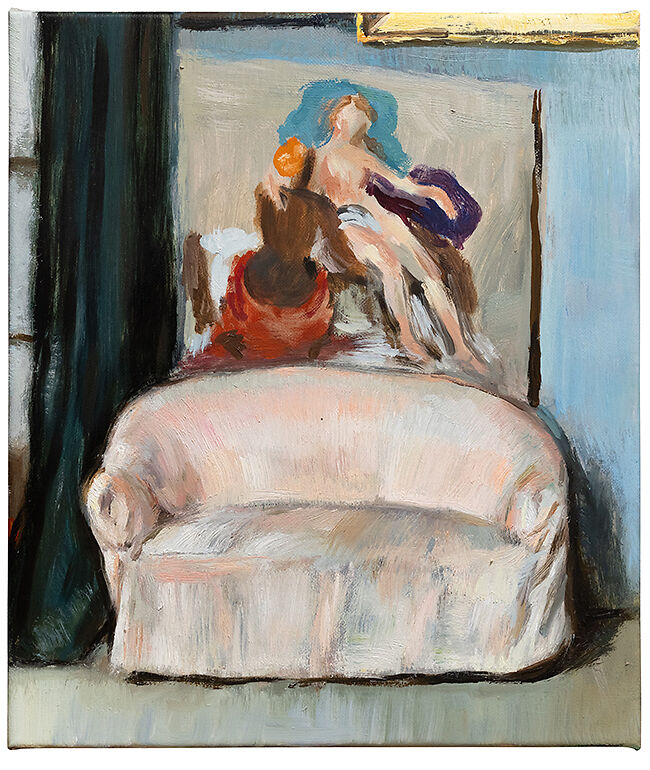
Archer's work can be described as quietly cinematic, in that his paintings often feel like stills from a film paused at a moment of introspection or emotional suspension. Offering hints of story through gesture, setting, or subtle interaction between subjects, the narratives in his work are poetically fragmented and non-linear, allowing space for viewers to draw their own interpretation.
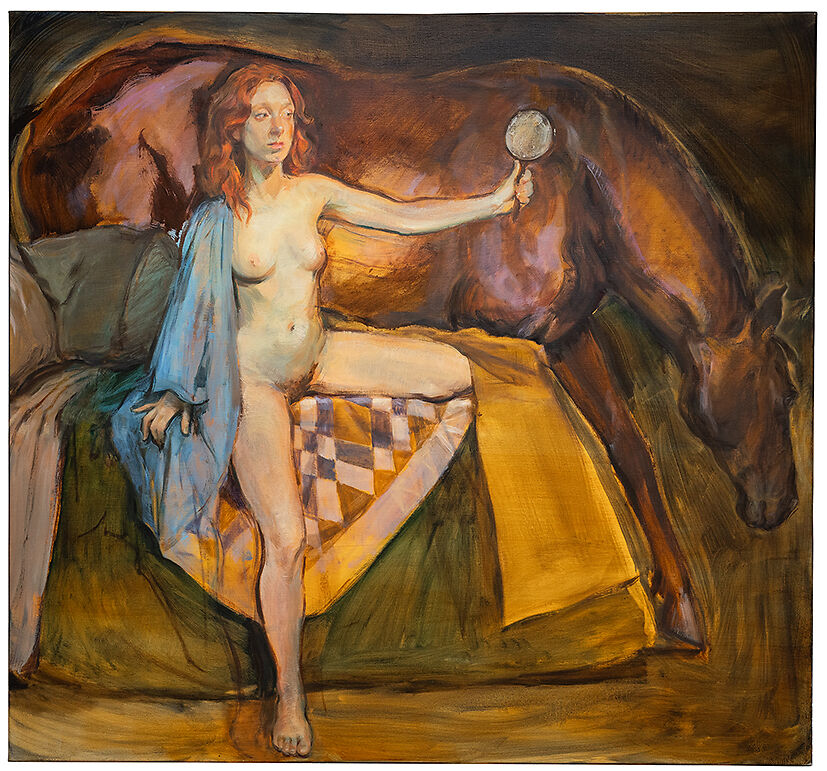
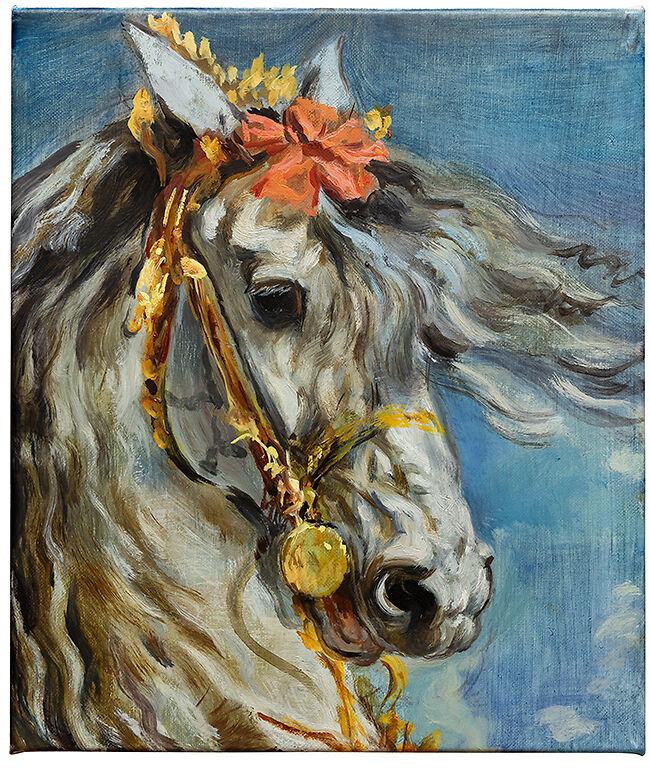
We were delighted to recently undertake the digital reproduction of a painting for Archer, and were intrigued to learn about his latest exhibition, Theft. Influenced by a recent trip to Europe where he revisited his favourite masterpieces, Archer found renewed inspiration in the works of Edgar Degas, Titian, Diego Velázquez, and Édouard Manet, all of whom often depicted horses in their compositions. This motif became the starting point for Theft, where Archer reinterprets these works through a contemporary lens.
Read more about Theft, artistic process, and Archer's upcoming show Arenas, below.
Tell us a bit about how you came to choose a creative career path - was there a defining moment in your life when you knew you wanted to pursue art seriously?
My mother is an artist and my father had an early career as a fine furniture maker so I had pencils and paints in my hands from a young age. I can’t remember considering another career and went straight from high school to art school.
The history of art belongs to everyone, it’s a collective inheritance and I want to feel as close to that as I can when I am working.
- Archer Davies
In your recent exhibition Theft, horses and, to a lesser extent, birds, played a significant role. Could you share some insight into what symbolic meaning these animals hold in your work, and how they tied into the exhibition as a whole?
I grew up in the country and my sister had a horse so I’ve been around them a lot. I always loved to draw them but regrettably never learned to ride. For my last show I began with the subject of horses. I was interested in their
atavistic powers, the swooping line of their necks, their powerful spines bolstered by the explosive mass through the shoulders and rump - all unified by the gentle barrel of their bellies. The horse seemed neither male or female but symbolically androgynous.
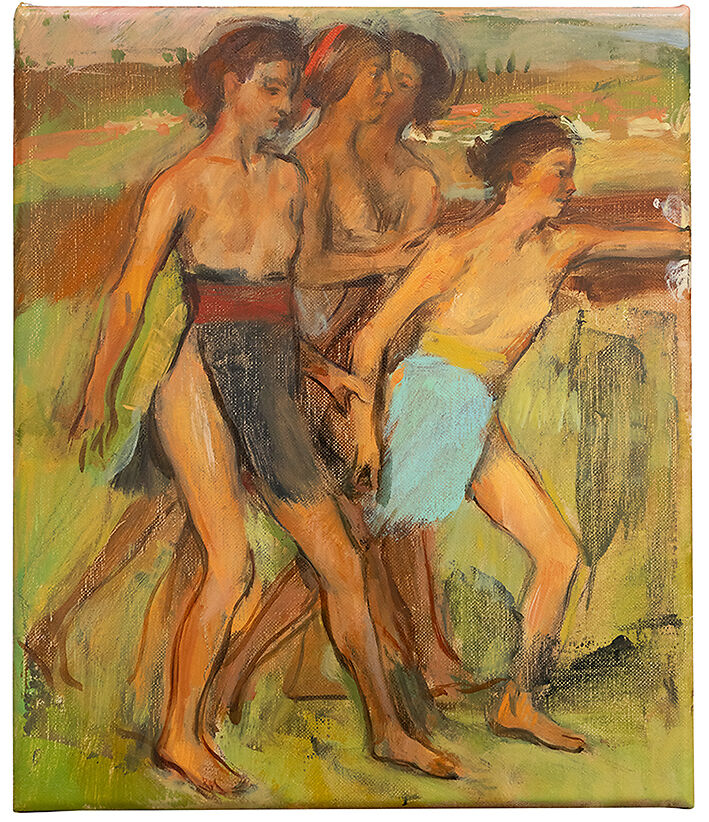
I started to reference artists who had worked with horses, in particular Degas and Velasquez. Wild things run fast is a painting that references Degas’ heavily reworked (and perhaps unfinished) The Fallen Jockey. It does this both in its composition and the horse's head on the left which is a direct study from that painting. Elara, the model, reclines into the space in a pose inspired by a pencil sketch by Watteau - a preparatory drawing done for a painting never made or perhaps lost.
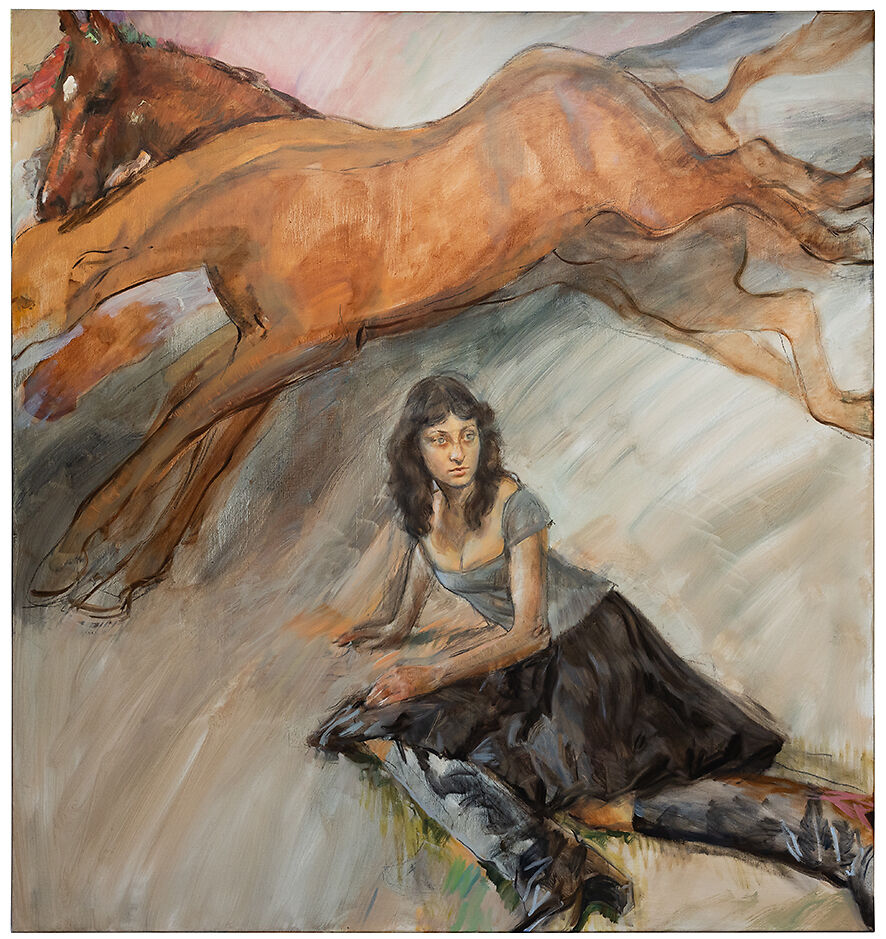
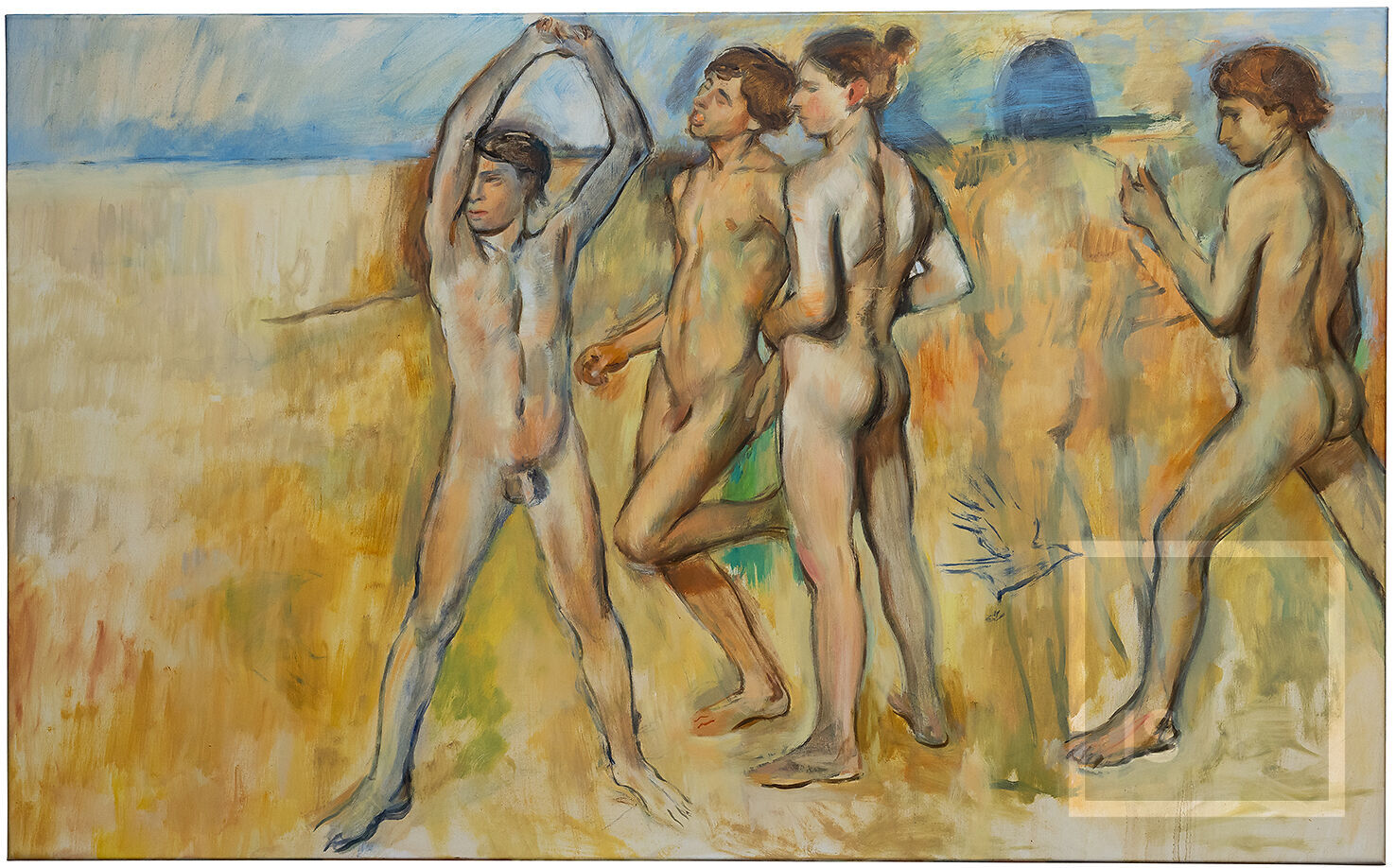
I was drawn to historical works that were unfinished or heavily reworked - especially those of Bazille, Balthus and Degas. I saw myself joining in their struggle to complete their paintings. I was taking up the task of interpreting their meaning and reworking, cropping, cutting and copying them into my own original compositions often using friends as models who posed for me in my studio. The Young Spartans (1) is my painting of Degas’ preparatory study for his painting The Young Spartans Exercising - a painting that he famously reworked over many years but never completed.
Finally, birds began to enter my imagination. They appear twice in this series. The ancient Greeks (and many other pre-industrial cultures) believed that birds were intermediaries, omens and messengers. The painting process had become a conversation between the model, myself and past painters - a search for worlds within worlds and a kind of painterly incantation.
Your interest in unfinished or heavily reworked historical paintings suggests a fascination with the artistic process itself. What is it about their incompleteness that resonates with you, and how has it influenced your artistic approach?
I suppose they open up space to breath in the composition and offer a ‘way in’ to the painting. When the image is not entirely finished or where the artist's hand and their decisions can be seen in the surface of the painting the work can be experienced on a physical level. The eye can trace the individual brush strokes and feel the way the artist was thinking and moving across the canvas.
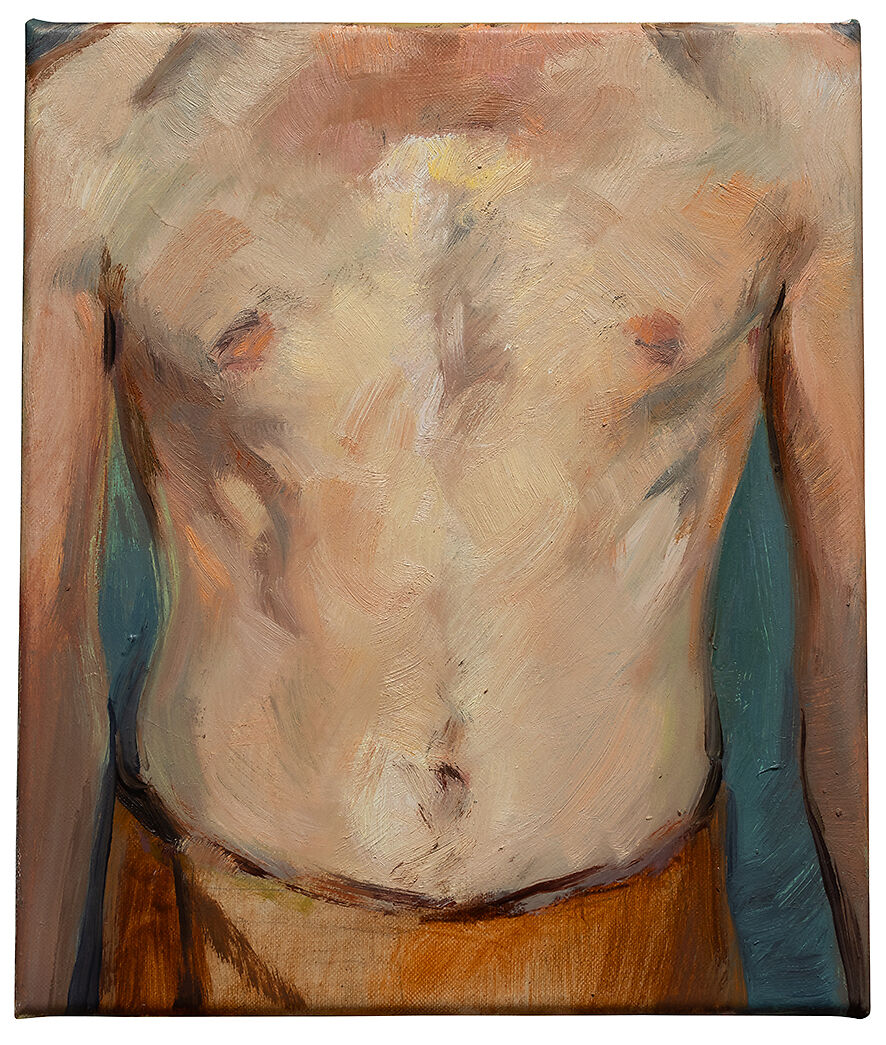


We’d love to hear more about your upcoming debut solo show Arenas, opening at Jan Murphy Gallery in August. Is this new collection of works a continuation or an evolution of Theft?
In a sense it is. Last year in August I joined the artist Lucy Culliton in Brisbane and we visited the Brisbane Royal Show or ‘Ekka’ together. We spent three days exploring and drawing everything from the carnival rides to the many animals. This experience has been the inspiration for my new show. Once again I have focused a lot on horses but I have also been interested in the carnival rides and atmosphere of the crowds.
Considering your practise of reinterpreting historical artworks, do you see your work as a dialogue with the past? How does this conversation shape your creative approach and the narratives you present in your contemporary practice?
The history of art belongs to everyone, it’s a collective inheritance and I want to feel as close to that as I can when I am working. Artists who I love are never far from my mind when I am painting and I have images of their works strewn all around my studio. I often begin a series by spending time looking through the works of favourite artists and finding compositions or subjects that interest me and then reworking them for my own purposes in my journal. I use the people in my life as models for my paintings.
I’d be fascinated to learn more about your creative process when approaching a new piece, or collection of artworks. What’s your relationship with planning versus discovery in the studio?
The ideas mostly come from looking at art historical paintings, watching films and reading - and occasionally just before I fall asleep. While doing this I hope to make connections or find parallels between this distant past and the world around me. These connections are something that deeply interest me. I have my friends come and model for portraits in my studio which often opens up new ideas.
You’ve spoken about the deliberate ambiguity in your work – suggesting narrative through gesture, setting, and subtle interaction rather than through clear storytelling. What draws you to this open-ended approach?
When I’m painting I have an idea of what I’m doing but it should be an idea that has a magnetic pull and that resists clear definition. I want the pictures to feel alive. They aren’t intended to function as literal illustrations of an idea.


As an artist who prefers to paint his subjects directly from life, what challenges and rewards does this method present in comparison to working from still images?
I always work from life but will use photography and my drawings as an aid in the process. When you work from life you are transferring three dimensions into two dimensions. That process is more active, more physical, more challenging and more sculptural as the subject moves and you try and understand the forms in space and light in real time. Photography is easier and therefore risks making the work stale and rigid if it is depended upon too much.
Looking back to when you graduated art school in 2010, how have your influences and approach to painting shifted over time?
I think interestingly the fundamental themes always stay the same, even going back to childhood.
What’s next on the cards for your art practice in 2025 (and beyond)? Do you have any projects or long-term ambitions you’d like to tackle in the coming years?
I have a show coming up at Jan Murphy Gallery in Brisbane in August titled ‘Arenas’, and I will have paintings displayed with MARS Gallery in the upcoming Spring 1883 art fair in August. Along with more painting and exhibiting I hope to do some more teaching and tutoring in the future.


To see recent work and to keep updated about upcoming exhibitions, follow Archer on Instagram at @archerdavies. For all other enquiries, contact Archer through his website here.